Acne Treatment Explained: Why Breakouts Happen and What Can Actually Help
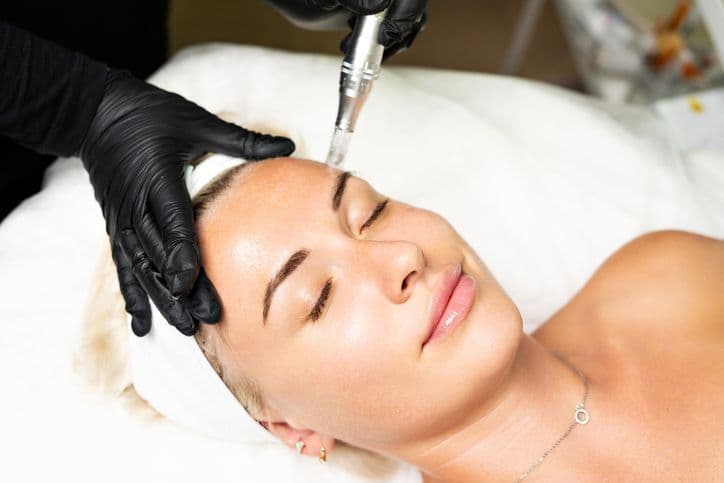
Acne can feel frustrating because it rarely behaves in a simple, predictable way. One week your skin looks calmer, then a few days later a painful breakout appears around the chin, cheeks, forehead, or jawline. For some people, acne starts in their teenage years and fades with age. For others, it continues well into adulthood, often triggered by stress, hormones, skincare products, makeup, diet changes, or the wrong treatment approach.
The tricky part is that acne is not just “dirty skin”. Washing your face harder, changing products every few days, or squeezing spots usually makes things worse. Acne starts deeper in the skin, where oil, dead skin cells, bacteria, inflammation, and sometimes hormones all play a role. Medical resources such as the NHS and Mayo Clinic explain acne as a condition linked to blocked hair follicles, oil production, inflammation, and different types of lesions, from blackheads to painful cysts.
That is why effective acne treatment is rarely about one miracle product. It is about understanding what kind of acne you have, what is triggering it, and what your skin can realistically tolerate.
What Is Acne?
Acne happens when pores become blocked. These pores are connected to oil glands, which naturally produce sebum to keep the skin protected. When too much oil mixes with dead skin cells, the pore can become congested. From there, bacteria and inflammation can create visible breakouts.
Acne can show up in several different ways:
- Blackheads: open clogged pores that appear dark on the surface
- Whiteheads: closed clogged pores under the skin
- Papules: small red or inflamed bumps
- Pustules: inflamed spots with visible pus
- Nodules or cysts: deeper, painful lumps that may increase the risk of scarring
Not every breakout needs the same treatment. A few clogged pores across the forehead need a different approach from deep, hormonal acne around the jawline. Acne with redness and sensitivity also needs more care than oily but resilient skin. This is where many people go wrong: they treat all acne as if it is the same.
For clients who are unsure where to start, Sycamore Medi Spa’s IPL for Acne treatment is one professional option designed to support acne-prone skin, especially where inflammation, redness, and recurring breakouts are part of the concern.
Why Breakouts Keep Happening
There is usually more than one reason acne keeps coming back. Even if two people both have “acne”, their skin may be behaving very differently underneath.
Excess oil and blocked pores
Some skin naturally produces more oil. That does not mean the skin is unhealthy, but when oil combines with dead skin cells, it can block the pore opening. This often leads to blackheads, whiteheads, and uneven texture.
Heavy moisturisers, rich sunscreens, thick makeup, or oil-based products can also make congestion worse for some people. The American Academy of Dermatology recommends acne-prone skin use oil-free skincare, sunscreen, and makeup where suitable, because pore-clogging products may contribute to further breakouts.
Hormonal changes
Hormonal acne is common around the chin, jawline, neck, and lower cheeks. It may flare before a period, during times of stress, after stopping or starting certain medications, or during major life changes. Hormonal acne can be stubborn because it is not only a surface issue.
Professional skin treatments may help manage inflammation, texture, and post-acne marks, but severe or persistent hormonal acne may also need support from a GP or dermatologist.
Inflammation and bacteria
Some acne is mainly congestion. Other acne is clearly inflamed: red, sore, swollen, and slow to heal. This is where calming the skin matters as much as clearing it.
IPL-based acne treatments may be considered for some clients because light-based technology can target acne-related bacteria and help calm visible redness. Sycamore’s Acne Treatment page explains how IPL for Acne is positioned for mild to moderate acne, recurring breakouts, inflammation, and redness.
Over-treating the skin
This is one of the most common problems. Someone breaks out, then immediately adds a strong cleanser, exfoliating toner, acne serum, clay mask, spot treatment, and retinol — all in the same week. The result is often dryness, burning, peeling, and more breakouts.
Acne-prone skin still needs a healthy barrier. If the skin barrier is damaged, the skin may become more reactive, inflamed, and harder to treat. Sometimes the first step is not “stronger products”. It is simplifying the routine so the skin can calm down.
What Can Actually Help Acne?
There is no single acne treatment that works for everyone. The best approach depends on acne type, skin sensitivity, pigmentation risk, lifestyle, and whether the main concern is active breakouts, post-acne marks, scarring, or texture.
Start with a simple, consistent routine
A basic acne routine does not need to be complicated. In fact, simple is often better.
A good starting point may include:
- a gentle cleanser
- a lightweight, non-comedogenic moisturiser
- daily sunscreen
- targeted acne ingredients if your skin can tolerate them
- avoiding frequent squeezing, scrubbing, or harsh exfoliation
The NHS advises not washing acne-affected areas more than twice a day, as over-washing can irritate the skin and make symptoms worse. It also warns against squeezing spots because this can worsen inflammation and increase scarring risk.
Consistency matters. Acne usually does not improve overnight. Many treatments need several weeks or months before the skin clearly changes. The NHS notes that acne treatment can take several months before symptoms improve.
Consider professional acne treatment when home care is not enough
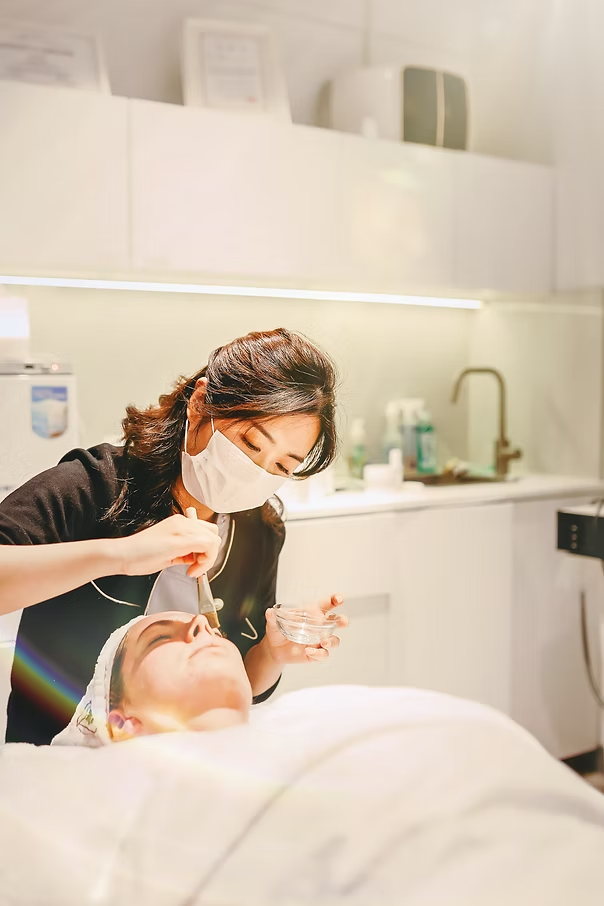
Home skincare can help, but it has limits. If breakouts are frequent, inflamed, painful, or leaving marks, professional guidance can save time and reduce the trial-and-error cycle.
At Sycamore Medi Spa, clients can explore a range of Canberra skin treatments depending on their skin concern. For acne-prone skin, treatment may focus on calming inflammation, reducing visible congestion, supporting skin renewal, and improving the appearance of post-acne marks over time.
This is not about choosing the most intense treatment first. Often, the better approach is choosing the right level of treatment for the skin’s current condition.
IPL for active breakouts and redness
IPL for Acne may be suitable for people dealing with mild to moderate acne, frequent breakouts, redness, or inflammation that has not fully responded to topical skincare alone. Sycamore’s IPL for Acne
treatment page describes it as a non-invasive option that can support clearer-looking skin with minimal disruption to daily activities.
This kind of treatment is not a replacement for medical care in severe cystic acne, but it may be a helpful part of a broader acne management plan for suitable clients.
Microneedling for post-acne texture and scars
Once active acne is calmer, many people are left with uneven texture, enlarged-looking pores, or acne scars. This is where treatment goals change. Instead of only calming breakouts, the focus shifts to repair, collagen support, and smoother-looking skin.
Sycamore’s Meso Microneedling page explains how microneedling supports skin renewal and collagen formation. For readers wanting more detail, the blog Can Microneedling Help with Acne Scars, Pores, and Fine Lines? is a useful internal resource that explains why acne scars, enlarged pores, and uneven texture often appear together.
The American Academy of Dermatology also discusses microneedling as a treatment used for concerns such as acne scars, large pores, uneven texture, wrinkles, and fine lines.
Hydration and barrier support still matter
People often focus only on “killing acne”, but acne-prone skin also needs hydration and recovery. If your skin is dry, tight, flaky, or easily irritated, it may not respond well to aggressive treatment.
Gentler facials can support hydration, comfort, and glow between more targeted treatments. Sycamore’s blog Wishpro Facial: How It Works and What It Can Do for Your Skin discusses Wishpro as a non-invasive option for hydration, radiance, smoother-looking texture, and a refreshed overall appearance.
This does not mean every facial is an acne treatment. It simply means barrier support can be part of a smarter skin plan, especially if the skin has been over-treated.
Active Acne vs Acne Marks: Why the Difference Matters
A lot of people say they still “have acne” when what they actually have is a mixture of active breakouts, red marks, brown marks, and uneven texture.
These are different concerns:
- Active acne needs breakout control and inflammation management
- Red post-acne marks often need calming and time
- Brown post-acne pigmentation may need brightening and pigment-focused care
- Indented acne scars usually need collagen-stimulating treatments
- Rough texture and clogged pores may need exfoliation, renewal, or professional cleansing support
Treating all of these the same way can lead to disappointment. For example, a spot cream may help active pimples but will not do much for indented scarring. A brightening serum may help pigmentation but will not stop deep hormonal cysts. A strong peel may smooth texture but could irritate inflamed acne if used at the wrong time.
This is why a proper skin consultation is valuable. It helps separate what is currently active from what is left behind.
When Should You Seek Professional Help?
You may want to consider professional advice if:
- acne keeps returning despite consistent home care
- breakouts are painful, deep, or cystic
- acne is leaving scars or dark marks
- your skin becomes irritated by most acne products
- you feel unsure which products or treatments are right for you
- acne is affecting your confidence or daily life
For severe acne, prescription medication, or concerns about underlying hormonal causes, a GP or dermatologist is the right place to start. For cosmetic concerns such as visible redness, texture, congestion, post-acne marks, and treatment planning, a professional skin clinic may help guide the process.
Sycamore Medi Spa provides tailored skin treatment options in Canberra, and clients can learn more through the Sycamore Medi Spa website.
A More Realistic Way to Think About Acne Treatment
The goal of acne treatment is not to punish the skin into being clear. It is to support the skin in a way that is consistent, targeted, and realistic.
Clearer skin usually comes from a combination of things:
- reducing unnecessary irritation
- choosing skincare that suits acne-prone skin
- managing oil and congestion
- calming inflammation
- treating post-acne marks at the right time
- being patient with the skin’s natural renewal cycle
- getting professional guidance when breakouts are persistent
Acne can be stubborn, but it is not hopeless. The key is to stop guessing and start looking at what your skin is actually doing.
FAQ: Acne Treatment
1. What is the best acne treatment?
There is no single “best” acne treatment for everyone. The right option depends on your acne type, skin sensitivity, whether breakouts are active or healing, and whether you also have scarring or pigmentation. Mild congestion may respond to skincare changes, while inflamed or recurring acne may benefit from professional treatment or medical advice.
2. Can IPL help with acne?
IPL may help suitable clients with mild to moderate acne, visible redness, and recurring inflammation. Sycamore’s IPL for Acne treatment is designed to support acne-prone skin by targeting acne-related concerns beneath the surface. However, suitability should always be assessed first, especially if acne is severe, cystic, or medically complex.
3. How long does acne treatment take to work?
Acne treatment usually takes time. Some people notice early changes within a few weeks, but more meaningful improvement may take several months, especially if the acne is persistent or linked to hormones. Consistency is important, and changing treatments too quickly can make it harder to know what is actually working.
4. Should I stop using all active skincare before a professional acne treatment?
Not always, but some active ingredients may need to be paused before certain treatments. This can include retinoids, exfoliating acids, benzoyl peroxide, or strong acne products, depending on the treatment. Always follow the pre-treatment instructions provided by your practitioner.
5. Can microneedling treat active acne?
Microneedling is usually more suitable for acne scars, uneven texture, and post-acne skin concerns once active breakouts are under better control. It is generally not performed over severe active acne, infected skin, or open lesions. For acne scarring, Sycamore’s Meso Microneedling may be worth discussing during a consultation.
6. Why does my acne keep coming back?
Recurring acne can be linked to oil production, hormones, clogged pores, stress, unsuitable skincare, makeup, friction, or inflammation. It may also return if treatment only targets the surface but does not address the main trigger. A professional consultation can help identify whether your acne is mostly congestion, inflammation, hormonal patterning, or post-acne irritation.
7. Can facials help acne-prone skin?
Some facials can support acne-prone skin by helping with hydration, comfort, barrier support, or gentle maintenance. However, not every facial is designed to treat acne. If breakouts are inflamed or persistent, a more targeted acne treatment plan may be needed. Gentle options like Wishpro may be helpful for hydration and glow, while acne-focused concerns may require more specific treatment choices.