Pigmentation Removal Laser in Canberra: A Clearer Path to More Even-Toned Skin

By the time Canberra’s bright afternoon light hit the bathroom mirror, Natalie had started noticing the same thing again. The brown patches across her cheeks looked darker than they did in winter. The freckles on her nose seemed more obvious after weekends outdoors. A few post-acne marks had stayed long after the breakouts were gone, and no amount of brightening serum seemed to make them fade evenly.
At first, she thought it was just part of getting older. Then she realised her skin tone was changing in a way that made her feel less confident. Foundation helped, but only temporarily. Some areas still looked patchy. Some spots returned every summer. Some marks became darker after sun exposure, even when she thought she was being careful.
Like many people searching for pigmentation removal laser in Canberra, Natalie did not want a harsh or dramatic treatment. She wanted to understand why pigmentation was appearing, why Canberra’s sun exposure could make it worse, and whether there was a professional way to support clearer, more even-looking skin.
That is when she found Sycamore, a premium Canberra skin clinic offering advanced pigmentation care, including Laser Pigmentation Removal. Designed to target concerns such as dark spots, sun damage, melasma, freckles and other pigmentation concerns, Sycamore’s approach helps clients move beyond covering uneven tone and start building a more personalised skin correction plan.

Why Pigmentation Is So Common in Canberra
Pigmentation often feels like it appears suddenly, but in many cases it has been developing quietly for years. A few freckles after summer. A darker patch after pregnancy or hormonal changes. A lingering mark after acne. A cluster of sun spots across the cheeks, hands or décolletage after years of outdoor exposure.
Canberra clients often experience a mix of seasonal triggers. The city has crisp winters, strong summer sun, outdoor lifestyles and high UV conditions typical of Australia. Even on cooler days, UV exposure can still affect the skin. Over time, that exposure can contribute to visible sun damage, uneven tone and premature ageing.
Cancer Council Australia explains that UV overexposure contributes to skin ageing, including wrinkling and loss of skin tone and elasticity. This matters because pigmentation is not only a cosmetic concern. It is often part of a broader story of sun exposure, skin inflammation, hormones, ageing and skin repair.
For Natalie, this helped explain why her pigmentation seemed worse after summer and why some marks became more obvious even when her skin otherwise felt healthy. Pigmentation is not always caused by one thing. It can be influenced by sun exposure, genetics, skin type, hormonal changes, pregnancy, acne, injury to the skin, certain illnesses and medications.
This is why a professional pigmentation plan should begin with assessment, not assumptions.
The Turning Point: When Skincare Alone Is Not Enough
Brightening skincare can be helpful, especially when used consistently with daily sunscreen. Ingredients such as vitamin C, niacinamide, exfoliating acids and pigment-supportive products may help improve the look of uneven tone over time. But for some clients, pigmentation sits deeper or becomes more stubborn than skincare alone can manage.
This is where many people become frustrated. They buy another serum, avoid direct sun for a few weeks, or try stronger exfoliation, only to find that the darker patches remain. In some cases, aggressive skincare can make the skin more irritated, which may worsen pigmentation risk in sensitive or reactive skin.
At Sycamore, pigmentation is approached with more care. The question is not simply “how do we fade this spot?” It is also “what type of pigmentation is this, what triggered it, how reactive is the skin, and what treatment timing is safest?”
That distinction matters. Freckles, age spots, melasma, post-inflammatory pigmentation and deeper pigment concerns may respond differently. Some pigmentation can be suitable for laser treatment, while other cases require a more cautious plan.
What Is Laser Pigmentation Removal?
Sycamore’s Laser Pigmentation Removal treatment is designed to support clearer, more even-toned skin by targeting and reducing the appearance of pigmentation concerns such as dark spots, sun damage, melasma and other uneven patches.
The treatment page explains that pigmentation can be caused by changes in melanin distribution, leading to visible concerns such as freckles, age spots, melasma and other pigmented lesions. These concerns may be influenced by sun exposure, genetics, skin type, skin injury, hormone changes, pregnancy, acne and certain medications.
Sycamore uses Q-Switched Nd:YAG pigment laser technology for pigmentation concerns. Q-switched laser technology is commonly used to target pigment, with repeated treatments sometimes needed depending on the type, depth and response of the pigmentation.
DermNet explains that Q-switched Nd:YAG laser systems can be used for pigment-related concerns, including certain tattoo pigments, with treatment response depending on pigment colour and depth. While each clinical use is different, the principle is similar: laser energy targets pigment so the body can gradually clear the treated particles over time.
For clients searching for pigmentation removal laser in Canberra, this means the treatment is not just a surface brightening facial. It is a more targeted approach for selected pigmentation concerns.
Why Professional Assessment Matters
Pigmentation should not be treated casually. Not every brown mark is the same, and not every mark should be lasered without proper assessment.
Some pigmentation is superficial. Some sits deeper. Some is linked to hormonal triggers, such as melasma. Some follows inflammation, such as acne, burns or skin trauma. Some marks may need medical assessment before any cosmetic treatment is considered.
This is especially important in Australia, where UV exposure is strong and skin cancer risk is high. A professional should assess pigmentation carefully and refer clients for medical review if a lesion looks suspicious or has changed in colour, shape, size or behaviour.
Light-based cosmetic treatments also require safety knowledge. ARPANSA notes that cosmetic treatments using lasers, IPL devices and LED phototherapy carry risks during and after treatment, and providers should understand client assessment, informed consent, training, equipment safety and protective measures.
At Sycamore, this is why consultation is essential. The goal is not to treat every spot the same way. The goal is to understand the skin, assess suitability and create a customised treatment plan.
What Pigmentation Concerns Can Be Treated?
Sycamore’s pigmentation treatment page describes laser pigmentation removal as suitable for a range of pigmentation-related concerns, including sun damage, freckles, age spots, melasma and other dark spots. Treatment areas may include the full face, half face, décolletage, hands, upper back, arms, shoulders or a single spot, depending on the client’s concern and suitability.
For someone like Natalie, this was helpful because her pigmentation was not limited to one area. She had patchiness on the cheeks, freckles across the nose and early sun spots on the hands. A professional plan allowed the treatment to be considered by area, skin response and priority, rather than treating everything randomly.
This kind of planning matters because pigmentation treatment is usually a journey. Some marks may respond faster than others. Some may darken temporarily before fading. Some may need several sessions spaced appropriately apart. Some may require long-term sun protection and maintenance to reduce recurrence.
Why Sun Protection Is Part of Pigmentation Treatment
No pigmentation treatment can succeed properly without sun protection. This is especially true in Canberra, where clients may underestimate UV exposure on cool or windy days.
Pigmentation is strongly influenced by UV exposure. Even after laser treatment, unprotected sun exposure can increase the risk of pigmentation returning or becoming more noticeable. This is why sunscreen, hats, shade and avoiding unnecessary sun exposure are not just “aftercare extras”. They are part of the treatment strategy.
ARPANSA explains that exposure to ultraviolet radiation can cause premature skin ageing and skin damage. Cancer Council Australia also highlights the role of UV in visible premature ageing and sun damage.
For pigmentation-prone skin, this means the treatment room is only one part of the result. What happens every day afterwards matters just as much.
Preparing for Laser Pigmentation Removal
Good preparation helps reduce risk and supports better recovery. Sycamore advises clients to avoid sun exposure, tanning or sunburn for at least four weeks before treatment. Active skincare products such as retinoids, exfoliating acids, bleaching products and chemical peels should be stopped for at least two weeks before treatment.
Clients should also inform their practitioner if they have a history of pigment rebound, hyperpigmentation or sensitive skin. Treatment should not be performed on areas with active infection, inflammation or open wounds, and clients should let their practitioner know about medications that may affect healing or photosensitivity.
This preparation may sound detailed, but it reflects the reality of pigmentation care. Pigment-prone skin can be reactive. A safe, thoughtful approach is more important than rushing into treatment.
For Natalie, this was reassuring. She did not feel like she was being pushed into a quick procedure. She felt like her skin was being assessed properly, with the goal of improving tone while respecting her skin’s sensitivity.
What to Expect After Treatment
After laser pigmentation removal, the treated area may feel warm, sensitive or slightly uncomfortable. Sycamore notes that common reactions can include tingling or warmth, mild pinpoint bleeding, temporary changes in skin tone, temporary darkening of pigmentation, possible acne flare in acne-prone skin and temporary pigment rebound during the treatment process.
These reactions are generally expected and resolve gradually as the skin heals. Still, post-care is important.
Sycamore advises clients not to wash the face with tap water within 24 hours after treatment, and to use sterile saline if gentle cleansing is needed. Clients should avoid touching, scratching or picking the treated area, and allow any scabs to fall off naturally. Active skincare should be avoided during recovery, and professional laser recovery products may be used to support the skin barrier.
Sun protection is especially important after treatment. Sycamore recommends avoiding ultraviolet rays and strong light during recovery, using physical protection such as umbrellas, masks and hats when outdoors, and using suitable sunscreen according to aftercare guidance.
This is where patience matters. Pigmentation treatment is not only about removing pigment. It is about helping the skin heal in a way that reduces the risk of new irritation or rebound pigmentation.
Why Pigmentation Can Temporarily Look Darker
One of the things clients often worry about is temporary darkening after laser treatment. This can feel alarming if you are not expecting it. Sycamore’s treatment page notes that pigmentation may temporarily darken, especially in deeper pigment cases.
This can happen as the treated pigment responds and begins to clear. The skin may go through a visible healing process before the area looks lighter or more even. This is why good communication before treatment matters. Clients should know what to expect, what is normal and when to contact the clinic.
For Natalie, understanding the recovery process made the treatment feel less stressful. Instead of expecting immediate perfect clarity, she understood that her skin needed time to process and renew.
The Sycamore Difference: Customised Pigmentation Care
What makes Sycamore’s approach valuable is the focus on customised treatment planning. Pigmentation is not just a colour concern. It is connected to skin history, sun exposure, hormones, inflammation, ageing, acne, skincare habits and skin sensitivity.
At Sycamore Medi Spa, pigmentation treatment sits within a broader menu of professional skin solutions. This matters because some clients may benefit from laser treatment, while others may need barrier repair, brightening support, acne management, skin resurfacing or a staged combination plan.
For example, a client with sun spots may follow one pathway. A client with melasma may require a more cautious and maintenance-focused approach. A client with post-acne pigmentation may need active acne under control first. A client with sensitive skin may need preparation before laser is considered.
The best pigmentation plan is rarely one-size-fits-all. It is built around the skin in front of the practitioner.
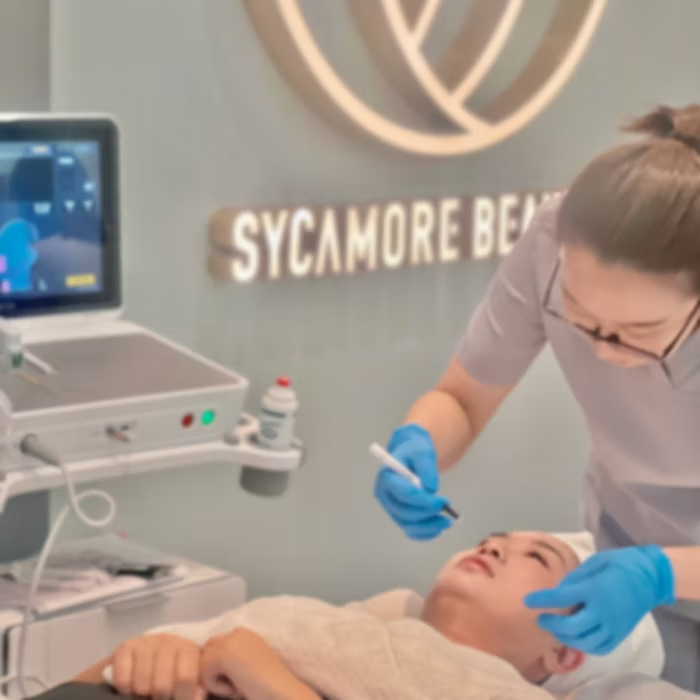
When Should You Consider Professional Pigmentation Treatment?
You may consider a professional consultation if your pigmentation is becoming more noticeable, if dark spots are not improving with skincare, if pigmentation returns after sun exposure, or if old acne marks are making your complexion look uneven.
It is also worth seeking advice if you are unsure whether a mark is pigmentation, melasma, sun damage or something that needs medical assessment. Any spot that changes quickly, bleeds, becomes irregular or looks unusual should be reviewed by an appropriate medical professional before cosmetic treatment.
For clients whose pigmentation is suitable for laser, Sycamore’s Laser Pigmentation Removal may offer a targeted way to support clearer, more even-looking skin.
Ready for a More Even-Toned Complexion?
Searching for pigmentation removal laser in Canberra does not mean you are chasing perfect skin. It often means you want your complexion to look clearer, brighter and more balanced. You may want sun spots to look softer, post-acne marks to fade, freckles to appear less prominent or patchy tone to feel easier to manage.
At Sycamore, pigmentation care begins with understanding your skin. Whether your concern is sun damage, melasma, age spots, freckles, post-acne pigmentation or uneven tone, the right starting point is a personalised consultation.
Explore Sycamore’s pigmentation treatment here: Laser Pigmentation Removal
Explore Sycamore’s full treatment menu here: Sycamore Medi Spa Treatments
Call Sycamore today to book your consultation and begin your journey to clearer, more even-toned skin.
✨ Pigmentation removal laser in Canberra. Targeted skin correction. Clearer-looking skin starts with the right plan. ✨