IPL for Summer Skin: When Is the Right Time to Treat?

As Canberra moves towards summer, skin concerns can suddenly become more noticeable. You may see uneven colour that seemed less obvious during winter, redness that stands out after spending time outdoors, or freckles and sun-related pigmentation that appear more prominent as the days become brighter.
That is often when people start searching for IPL Canberra or Skin Rejuvenation Canberra. But it also creates an important question: if summer means more sun exposure, is this actually the right time to consider IPL?
The answer is not as simple as saying IPL is a “winter-only” treatment or that it cannot be performed during warmer months. Treatment timing depends on your skin, the concern being treated, recent sun exposure, upcoming activities and your ability to follow appropriate aftercare.
Sycamore Medi Spa offers IPL within its skin rejuvenation treatment range. You can explore the clinic’s IPL Skin Rejuvenation service and full treatment menu before deciding whether the treatment matches what you are seeing in your skin.
As summer approaches, however, choosing IPL should involve more than finding an available appointment. It is worth understanding what the technology actually does, what it does not treat, and why your plans for the weeks around treatment can matter.
What Is IPL Skin Rejuvenation?
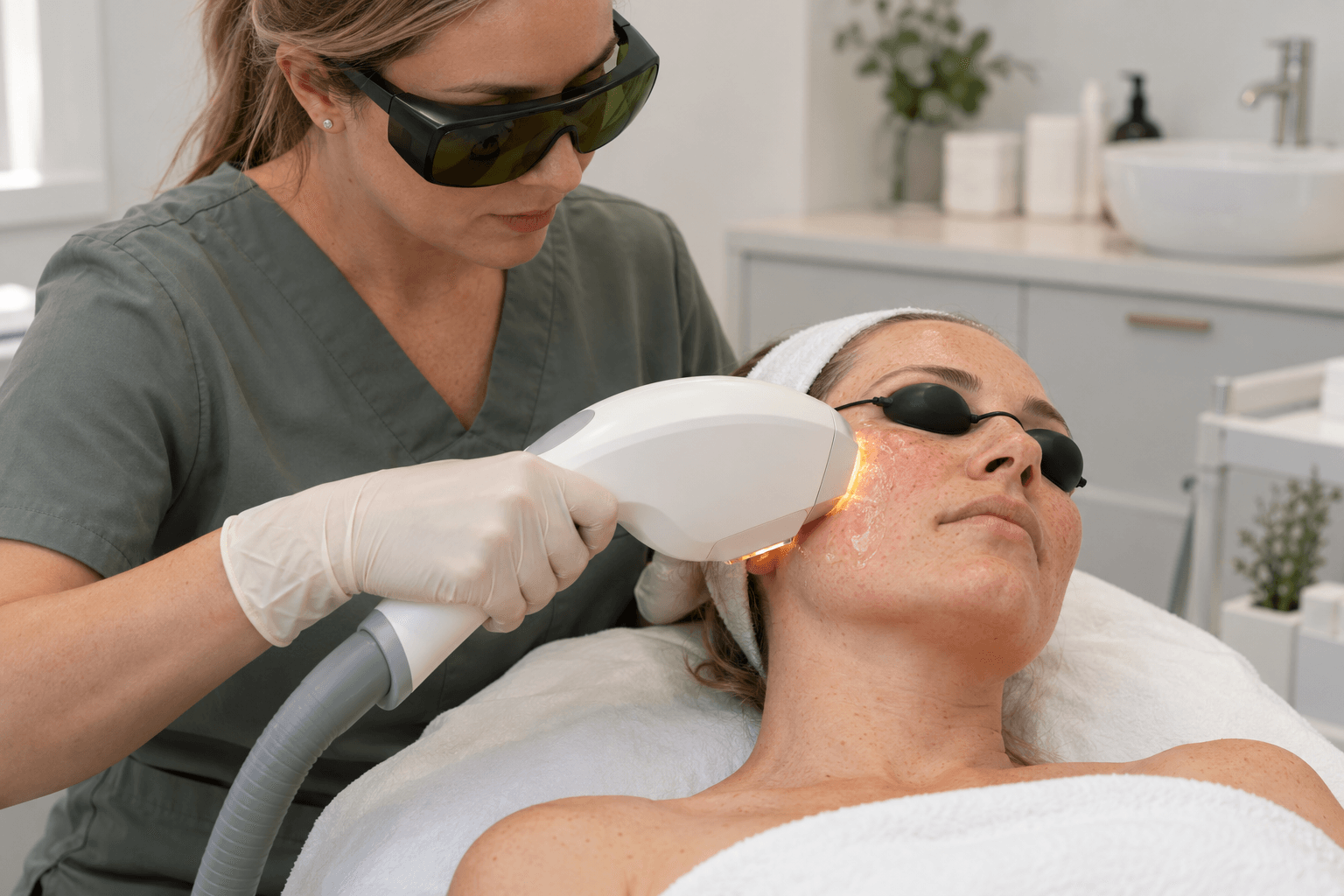
IPL stands for Intense Pulsed Light. Although people sometimes casually call it a laser treatment, IPL and laser are not technically the same thing. IPL uses broad-spectrum light rather than a single wavelength of laser light. Filters and treatment settings allow the system to target particular chromophores in the skin depending on the treatment goal.
In skin rejuvenation, IPL is commonly discussed in relation to concerns involving visible pigmentation, redness and signs associated with sun exposure. The exact suitability of IPL depends on factors including the concern being treated, skin characteristics and treatment settings.
This distinction is important because “skin rejuvenation” is a very broad phrase.
If your main concern is deep acne-scar texture, IPL is not simply another version of Microneedling. If your primary concern is facial laxity, IPL is not another version of an ultrasound lifting treatment such as Ultherapy PRIME. And if you have one specific dark lesion that has recently changed in appearance, booking IPL without first determining what the lesion is would not be an appropriate shortcut.
Sycamore separates IPL from other technologies within itstreatment range, which reflects a useful principle: different visible skin concerns can require different treatment approaches even when they all fall under the broad idea of “rejuvenation”.
Why Do Skin Concerns Become More Noticeable as Summer Approaches?
Sometimes the concern has not suddenly appeared. You have simply started noticing it more.
Brighter daylight can make differences in skin tone more obvious. You may also be spending more time outdoors as the weather improves, while changes in clothing, social activities and upcoming holidays can make you pay closer attention to areas that were less noticeable during winter.
UV exposure is particularly relevant to pigmentation. Some pigmentary changes can become more noticeable following sun exposure, which is one reason people may start thinking about pigmentation treatments as the warmer season approaches.
But this creates a paradox.
The period when you become most motivated to treat pigmentation may also be the period when you need to think most carefully about recent and upcoming UV exposure.
That does not mean you should diagnose every brown spot as “sun damage”. Pigmented lesions have different causes, and some need medical assessment rather than cosmetic treatment. DermNet provides an overview of common pigmentation problems and hyperpigmentation, which helps illustrate why the word “pigmentation” describes a category rather than one single condition.
So before thinking about IPL settings, packages or appointment dates, the first question is simpler: what are you actually trying to treat?
IPL Is Not Just a Treatment for “Dull Skin”
One of the problems with the term “skin rejuvenation” is that it can make a technology sound more general than it really is.
Someone may say, “My skin looks dull, so I want IPL.” But dullness can mean many different things. Perhaps the skin feels dry. Perhaps the surface is rough. Perhaps there are areas of pigmentation that make the complexion appear uneven. Perhaps redness creates colour variation. Or perhaps the person simply feels that their skin looks tired after several busy weeks.
IPL does not address all of those possibilities in the same way.
This is why an IPL consultation should focus on visible targets and realistic treatment goals rather than the vague objective of making the skin “better”. If pigmentation is contributing to uneven tone, that creates one type of discussion. If visible redness is the main concern, that creates another. If texture is actually the problem, a different treatment category may be more relevant.
You can review Sycamore’s broader Skin Rejuvenation options through its treatment menu. The value of having different technologies available is not that everyone should use several of them. It is that treatment can be selected according to the concern rather than forcing every concern into IPL.
Why Recent Sun Exposure Matters
This is one of the most important parts of planning IPL before summer.
Your skin does not exist independently of what you did last weekend. If you have recently spent a long day outdoors, developed a tan, become sunburnt or noticed that your skin feels unusually irritated, tell the practitioner before treatment.
Do not assume that sunscreen use automatically makes recent sun exposure irrelevant.
The interaction between light-based treatments and pigment is one reason skin characteristics and recent sun exposure matter when considering IPL. A professional consultation should therefore include questions about your skin, treatment history and recent activities rather than beginning immediately with the device.
This is also why squeezing IPL into the gap between outdoor events can be a poor way to plan. Imagine spending a sunny weekend outdoors, booking IPL several days later and then leaving for a beach holiday shortly afterwards. Even if the dates technically fit into your calendar, the schedule may not be appropriate for your skin or the aftercare required.
Cancer Council Australia explains that sun protection is recommended when the UV Index is 3 or above. Its sun-safety guidance recommends a combination of measures including sunscreen, protective clothing, shade, hats and sunglasses.
Those habits are relevant whether you have IPL or not. But if you are investing in treatment for concerns associated with visible sun exposure, consistent sun protection becomes an especially logical part of the broader plan.
A Tan Is Not Just a Colour Change to Ignore
A common mistake when planning light-based treatment is to think of a tan as simply a cosmetic change that can be covered with makeup until it fades.
From a treatment-planning perspective, recent tanning is information the practitioner needs to know.
That includes intentional tanning and the less obvious situation where you have simply spent more time outdoors than usual. You may not describe yourself as “tanned”, yet your skin may have changed following repeated exposure during sport, gardening, walking or a holiday.
Do not try to decide for yourself whether the colour change is significant enough to matter. Tell the practitioner what you have been doing and let them assess the situation.
This becomes increasingly relevant as Canberra approaches summer because exposure can accumulate through ordinary routines. You do not need to spend a week at the beach to have had meaningful sun exposure. Driving, outdoor lunches, weekend exercise and gardening can all contribute to the amount of time your skin spends outdoors.
If treatment needs to be postponed because the skin is not currently suitable, delaying the appointment is preferable to hiding recent exposure because you do not want to lose your booking.
The right time for IPL is not simply when you have free time. It is when the treatment is appropriate for your skin and you can follow the required care around it.
What If Your Main Concern Is Redness?
Pigmentation often dominates conversations about IPL, but it is not the only reason people investigate light-based skin rejuvenation.
Some IPL systems and treatment protocols are used for vascular-related visible concerns such as certain types of redness and visible superficial vessels. That does not mean every red face should automatically be treated with IPL.
Redness can have different causes.
Temporary flushing after exercise is different from persistent facial redness. Skin that has become irritated after using too many active skincare products is different from visible superficial vessels. A rash or unexplained inflammatory condition should not be casually grouped into the same category simply because the skin appears red.
If redness is your main concern, describe when it occurs, how long it lasts and whether you have other symptoms. A professional assessment can then consider whether IPL belongs in the conversation or whether another type of evaluation is more appropriate.
This also prevents the common mistake of treating the appearance without understanding the concern. IPL is a technology, not a diagnosis.
The fact that a light-based device can target certain visible vascular features does not mean that every form of redness has the same cause or should receive the same treatment.
What If Pigmentation Is the Main Concern?
Pigmentation creates another layer of complexity because not all brown marks are the same.
Freckles, post-inflammatory pigmentation and other pigmented lesions can look similar to an untrained eye while having different causes and treatment considerations. This is why “I have brown spots” is a useful starting description but not a complete treatment plan.
If you have a known cosmetic pigmentation concern, IPL may be one of the technologies worth discussing depending on the type of pigmentation and your individual skin characteristics. Sycamore also offers other pigmentation-related treatments within its broader treatment range, so the purpose of the consultation should be to identify an appropriate approach rather than automatically choosing the technology you searched for first.
There is also an important boundary between cosmetic treatment and medical assessment.
If a pigmented lesion is new, changing, irregular, bleeding, persistently itchy or otherwise concerning, do not simply book IPL because you want the mark removed. Cancer Council Australia provides information about checking for signs of skin cancer and changes worth discussing with a health professional through its skin cancer information.
Cosmetic removal can wait. Appropriate assessment of a suspicious lesion should come first.
Can You Have IPL Just Before a Summer Holiday?
This is where planning becomes very practical.
Imagine that you have a two-week coastal holiday coming up. You know you will spend more time outside, and you decide that having IPL immediately before leaving would be perfect because you want your skin to look clearer in holiday photographs.
That timing deserves a conversation with the clinic before you commit to it.
IPL should not be treated like a haircut that can simply be scheduled as close as possible to an event. Your skin may experience temporary redness, warmth, swelling or changes in the appearance of treated pigmentation following a light-based procedure. The exact response varies according to the individual and treatment.
More importantly, your ability to follow post-treatment instructions matters. If the next part of your schedule involves beaches, long outdoor lunches, hiking or other extended outdoor activities, tell the practitioner.
The better question is not, “How close to my holiday can I squeeze IPL in?”
It is, “Given what I will be doing before and after the appointment, when is an appropriate treatment window?”
If you are planning several skin treatments before travelling, mention those as well. Your practitioner needs the whole schedule, not just the date you want IPL.
What Should You Do in the Weeks Before IPL?
Planning for IPL should begin before the day of your appointment. If you already know that you are interested in IPL Skin Rejuvenation Canberra, think about what your skin has been exposed to during the previous few weeks and what you have been using at home. Recent tanning, sunburn, significant irritation, changes to active skincare and other cosmetic procedures can all be relevant information for your practitioner. Rather than trying to make your skin look “perfect” before the appointment by increasing exfoliation or introducing several new products, keep track of what you are actually using and tell the clinic about any recent changes. If you use ingredients such as retinoids or exfoliating acids, ask whether and when they need to be paused instead of stopping or restarting them based on generic advice online. You should also mention medications and relevant health information during your consultation so the practitioner can assess suitability. Sycamore’s IPL Skin Rejuvenation information is a useful starting point, but your individual preparation instructions should come from the clinic based on the treatment being planned.
Your outdoor schedule deserves the same attention. If you know you have a long weekend at the coast, an outdoor sporting event or several days of gardening coming up, include those plans when discussing your appointment date. Cancer Council Australia’s sun-safety guidance recommends sun protection when the UV Index reaches 3 or above, and those habits should already be part of your routine before treatment rather than something you introduce only afterwards. This is particularly relevant as Canberra moves towards summer and incidental UV exposure becomes easier to accumulate through ordinary daily activities. Preparing for IPL is not about hiding from summer; it is about giving the clinic an accurate picture of your skin, recent exposure and upcoming plans so the treatment can be scheduled appropriately. A little planning before the appointment can be much more useful than trying to correct avoidable irritation or sun exposure afterwards.
Why Spring Can Be a Useful Time to Review Your Treatment Plan
Spring can be a useful reminder to reassess your skin because your routine and environment are changing.
Products that felt comfortable during Canberra’s colder months may no longer feel the same. You may be spending more time outside, exercising outdoors more frequently or planning summer travel. At the same time, brighter daylight can make pigmentation and redness more noticeable.
That does not automatically make spring the “best season” for IPL.
Instead, it can make spring a useful planning period.
If you are interested in IPL Skin Rejuvenation, an earlier consultation gives you time to discuss your concern, recent sun exposure, upcoming commitments and whether another treatment category may actually be more relevant. It also reduces the temptation to rush into treatment immediately before an important December event.
You can review Sycamore’s IPL Skin Rejuvenation information and bring your questions to the consultation. If your main concern turns out not to be an appropriate IPL target, discovering that before you have built your entire summer skincare plan around the procedure is useful information.
Treatment planning should create options, not artificial deadlines.

IPL Before an Event: Give Yourself Room
End-of-year events can create another reason people start researching Skin Rejuvenation Canberra.
Perhaps you have a wedding, graduation, work function, Christmas party or family photographs coming up. You may want your complexion to look more even, so booking IPL immediately before the event seems logical.
But “immediately before” is not necessarily the goal.
Temporary redness or swelling can occur following IPL, and treated pigmented areas may temporarily appear different as they respond. Individual reactions vary, so it is sensible to ask what you could expect before scheduling a treatment close to something important.
This is particularly relevant if it is your first IPL appointment. You do not yet know exactly how your own skin will respond.
Tell the clinic the date of your event. Ask whether the available timeframe makes sense and whether there are any reasons to choose another appointment date. If you also have other facial or aesthetic treatments planned, provide those dates too.
Leaving some flexibility is generally more useful than constructing a treatment calendar where every procedure must happen on an exact date for the plan to work.
Your skin does not know when the Christmas party is. Its response follows biology, not your social calendar.
What Should You Expect After IPL?
Aftercare should be part of your decision before treatment, not something you first think about once the appointment is finished.
Depending on the treatment and individual response, temporary redness, warmth or swelling may occur. Pigmented areas can also change in appearance as they respond following treatment. Your practitioner should explain what reactions are expected, what should prompt you to contact the clinic and how to care for the skin afterwards.
Your usual skincare routine may also need temporary adjustment.
If you use retinoids, exfoliating acids or other active ingredients, tell the practitioner what you are using rather than assuming you can continue everything normally. The instructions you receive for your specific treatment should take priority over generic skincare advice found online.
The same principle applies to exercise, hot environments and other activities. Ask what restrictions apply to your treatment rather than copying another person’s aftercare routine.
Sycamore’s IPL Skin Rejuvenation page should be used alongside the individual instructions provided for your appointment.
And because this article is specifically about treatment as summer approaches, one point deserves repeating: sun protection after IPL is not optional simply because the treatment is finished.
One IPL Session Should Not Be Treated as a Summer Reset Button
There is an appealing idea behind the phrase “summer skin reset”: book one appointment, clear away everything that accumulated during winter and start the warmer season with completely refreshed skin.
Real skin does not work quite so neatly.
Depending on the concern and individual treatment plan, more than one appointment may be discussed. Equally, having more treatments is not automatically better. The number and timing of sessions should be based on the concern being treated and how your skin responds.
It is also unrealistic to treat visible sun-related changes and then behave as though future UV exposure no longer matters.
If you have IPL for a pigmentation-related concern but continue accumulating substantial unprotected sun exposure, the treatment has not made your skin immune to future pigmentation or other effects of UV radiation.
That is why a good IPL Canberra plan should extend beyond the device. It should include realistic expectations, consistent sun protection and an understanding that skin continues to respond to your environment after the treatment course ends.
The goal is not to repeatedly “undo summer”. It is to combine appropriate professional treatment with habits that make sense throughout the year.
Is IPL the Same as Pigmentation Removal Laser?
No. The terms are sometimes used loosely online, but IPL and laser technology are not identical.
IPL uses a broad spectrum of light, while a laser uses a more specific wavelength or wavelength system depending on the device. Different technologies can therefore be selected for different targets and treatment strategies.
For a patient, however, memorising technical specifications is less useful than identifying the concern correctly.
If you have widespread uneven colour, visible redness or another concern that may fit an IPL skin rejuvenation plan, IPL may be worth discussing. If you have a more specific pigmentation concern, another technology within Sycamore’s treatment range may be considered after assessment.
This article deliberately does not turn that distinction into a full “IPL vs Pigmentation Laser” comparison because the more important summer question is whether your skin is currently suitable for light-based treatment and whether your lifestyle allows appropriate aftercare.
A device can be technically suitable for a concern while the timing is still unsuitable.
That is an important difference.
What About IPL and Microneedling?
People interested in skin rejuvenation often encounter both names, particularly when their complexion has several concerns at once.
The simplest distinction is that the technologies work differently and are usually discussed for different treatment objectives. IPL uses light and can be considered for appropriate colour-related concerns. Microneedling creates controlled micro-injuries and is commonly discussed in relation to texture and certain acne scars.
If your skin looks uneven, determine whether colour or texture is creating most of that impression.
A flat brown mark is different from a depressed acne scar. Redness is different from rough surface texture. It is possible to have several concerns at the same time, but that does not mean they should all be treated simultaneously.
Sycamore’s complete treatment menu allows you to see IPL alongside other skin rejuvenation technologies. A consultation can then determine which concern deserves priority and how any treatment plan should be sequenced.
This is particularly useful before summer because trying to fit several procedures into a short period can make aftercare increasingly complicated. Treating one clearly defined concern appropriately can make more sense than trying to do everything before December.
Your Daily Routine Still Does Most of the Work Between Appointments
IPL may take place in the treatment room, but your skin spends almost all of its time outside that room.
That is why your everyday routine remains important.
You do not necessarily need a complicated collection of products. In fact, adding several new active ingredients immediately before or after a professional procedure can make your routine harder to manage. Ask which products should be paused and when they can be restarted.
More importantly, make sun protection a routine rather than an emergency measure used only after IPL.
Cancer Council Australia’s sun-safety information recommends using multiple forms of protection when required rather than relying on sunscreen alone. For someone concerned about pigmentation or visible effects associated with sun exposure, this is particularly relevant.
If you are spending the summer outdoors, a treatment plan that ignores your real lifestyle is not a very useful plan.
Tell the clinic what you actually do. If you play outdoor sport, say so. If you work outside, mention it. If you are travelling somewhere sunny, include that in the conversation.
The purpose is not to make summer inconvenient. It is to choose treatment timing with enough information to make sensible decisions.
So, When Is the Right Time for IPL?
There is no single date on the calendar when IPL suddenly becomes appropriate or inappropriate for everyone.
The right timing depends on several factors: what you want treated, your skin characteristics, recent sun exposure, current skin condition, upcoming outdoor activities, other treatments and whether you can follow the recommended aftercare.
If you are researching IPL because pigmentation or redness has become more noticeable as Canberra approaches summer, that can be a good reason to arrange an assessment. It is not automatically a reason to have the procedure immediately.
If you have recently tanned, experienced sunburn or developed significant irritation, tell the practitioner. If you are leaving for a beach holiday, tell them. If an important event is approaching, give them the date. If you are using active skincare or have recently undergone another procedure, disclose that too.
All of those details help turn “I want IPL” into a proper treatment conversation.
You can learn more about IPL Skin Rejuvenation at Sycamore Medi Spa or explore the clinic’s full range of treatments if you are unsure whether IPL matches your concern.
Summer Is a Reason to Plan, Not a Reason to Rush
Warmer weather can make you think about your skin differently. Pigmentation may catch your attention, redness may feel more obvious, and upcoming holidays or events may create motivation to do something about it.
IPL can have a place within a professional skin rejuvenation plan, but summer treatment planning should begin with suitability rather than urgency.
Understand what you are trying to treat. Be open about recent sun exposure. Give yourself enough room around holidays and events. Follow the aftercare provided for your treatment. And continue protecting your skin after the appointment rather than treating IPL as a way to erase the consequences of future UV exposure.
If your concern is appropriate for IPL and the timing makes sense, you can discuss a personalised plan with Sycamore Medi Spa through its IPL Skin Rejuvenation service.
The most useful question is therefore not simply “Can I have IPL in summer?”
It is “Is this the right treatment for my concern, and is this the right time for my skin?”