IPL vs Korean Facial: Do You Need Skin Rejuvenation or a Hydrating Facial?
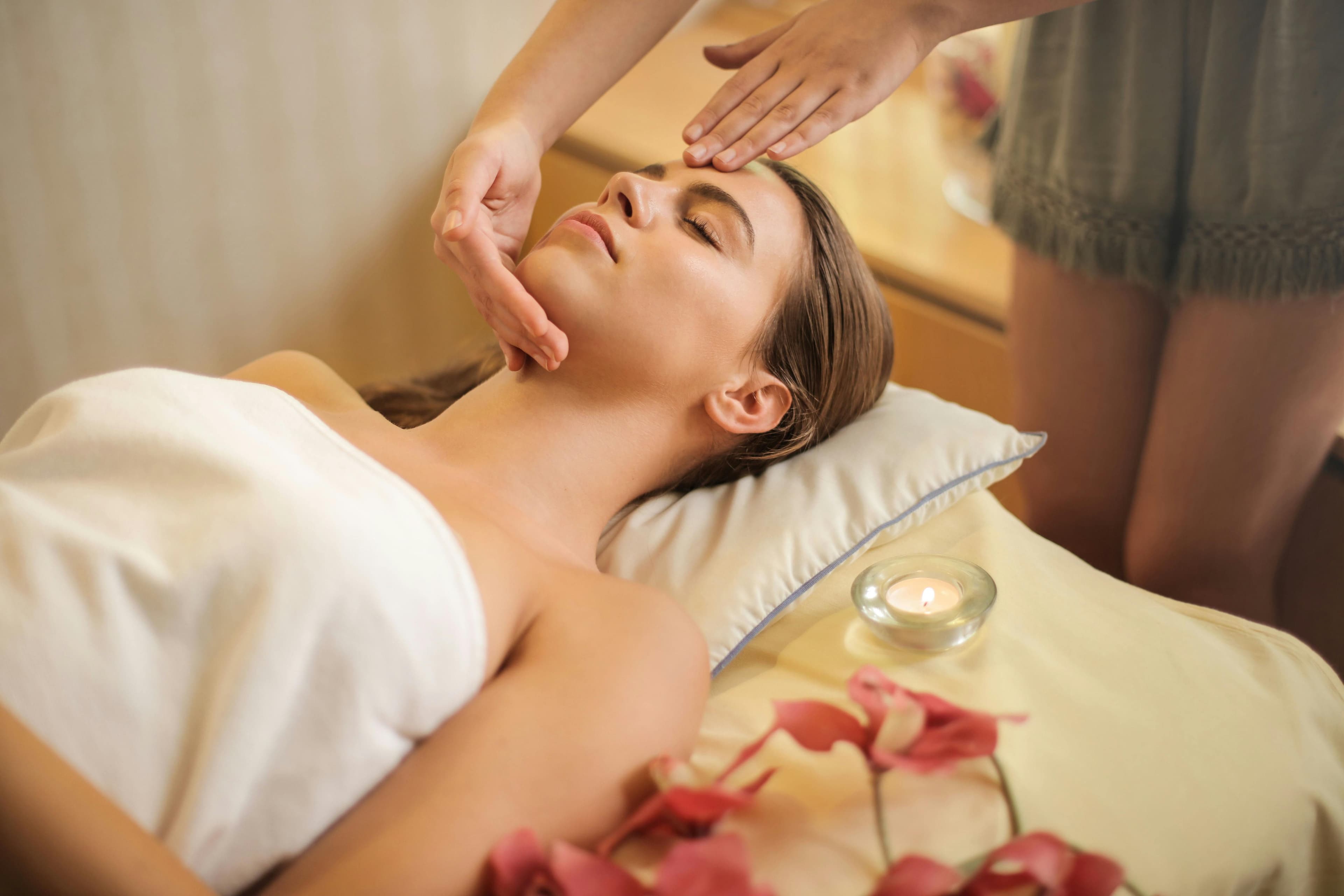
You look in the mirror one morning and notice your skin isn't quite looking its best.
Maybe there are a few brown spots across your cheeks that seem more noticeable than they used to be. Perhaps your complexion looks dull, your makeup catches on dry patches, or your skin simply doesn't have that fresh, hydrated appearance you're used to.
Naturally, you start looking into professional skincare treatments.
But after searching for IPL Canberra and Korean Facial Canberra, you find yourself comparing two very different services.
One promises a more targeted approach to certain pigmentation and redness concerns. The other focuses on cleansing, hydration, nourishment and that fresh-looking glow associated with Korean skincare.
So, which one do you actually need?
The answer depends on what's causing your skin concern in the first place.
IPL Skin Rejuvenation and Korean Style Facials aren't interchangeable treatments. They use different techniques, address different concerns and involve different levels of preparation and recovery.
At Sycamore, both treatments are available, but each offers a different experience.
In this guide, we'll explain how IPL and Korean Facials work, compare their suitability for common skin concerns, and help you understand what to expect before making an appointment.
Because sometimes your skin needs a little extra hydration. Other times, a more targeted treatment may be worth discussing.
IPL vs Korean Facial: What's the Main Difference?
The simplest way to understand the difference is to think about what you're trying to improve.
If you're mainly concerned about sun spots, visible facial blood vessels or certain types of uneven pigmentation, IPL may be worth considering.
If your skin feels dry, looks dull or you'd simply enjoy a nourishing facial with some relaxation time, a Korean Style Facial may be a more natural starting point.
Here's how the two treatments compare.
IPL vs Korean Facial at a Glance
| Feature | IPL Skin Rejuvenation | Korean Style Facial |
| -------- | -------- | -------- |
| Treatment type | Light-based aesthetic procedure | Multi-step cosmetic facial |
| Main focus | Selected pigmentation and superficial vascular concerns | Hydration, cleansing, nourishment and skin refresh |
| Technology | Intense Pulsed Light using Venus Versa | Traditional facial techniques and skincare products |
| Appointment duration | Approximately 15–30 minutes | Approximately 60 minutes |
| Treatment sensation | Brief warmth or snapping sensation | Cleansing, skincare application and massage |
| Exfoliation | Uses light energy rather than conventional exfoliation | Includes exfoliation as part of the facial |
| Recovery | Redness, warmth or swelling may occur | Generally minimal, depending on skin sensitivity |
| UV precautions | Strict pre- and post-treatment sun precautions | Routine sun protection and appropriate aftercare |
| Results | Gradual improvement in selected pigmentation or vessels | Potentially immediate but temporary skin refresh |
| Sessions | May require multiple treatments | Can be booked individually or as part of a skincare routine |
| Best starting point | A specific pigmentation or vascular concern | Dry, dull or tired-looking skin |
Neither treatment is automatically better.
The important question is whether the treatment's main purpose matches what your skin actually needs.
What Is IPL Skin Rejuvenation?
IPL stands for Intense Pulsed Light.
It's a non-invasive, light-based procedure designed to target certain structures within the skin using controlled pulses of light energy.
Unlike a traditional facial, IPL doesn't focus primarily on applying nourishing skincare products to the surface.
Instead, the device delivers filtered light that can be absorbed by specific components of the skin.
These include melanin, which contributes to skin pigmentation, and haemoglobin, which is found in blood.
When the appropriate light energy is absorbed, it creates a controlled heating effect in the targeted tissue.
This makes IPL particularly relevant for selected superficial pigmentation and vascular concerns.
At Sycamore, IPL Skin Rejuvenation is performed using the Venus Versa platform, which includes a real-time cooling system intended to improve treatment comfort.
Appointments generally take approximately 15–30 minutes, depending on the treatment area.
What Skin Concerns Can IPL Address?
IPL may be considered for concerns such as:
- Selected sun spots and freckles
- Superficial brown pigmentation associated with sun exposure
- Certain visible facial capillaries
- Selected areas of vascular redness
- Uneven-looking skin tone associated with specific pigmented or vascular changes
The important word is *selected*.
Not every brown mark is suitable for IPL, and not every type of facial redness comes from superficial blood vessels.
For example, melasma, post-inflammatory pigmentation and rosacea require additional consideration.
IPL can sometimes worsen certain pigmentation concerns, particularly when the skin is susceptible to heat-related inflammation or post-inflammatory darkening.
According to DermNet's explanation of Intense Pulsed Light therapy, IPL is used for selected pigmented and vascular concerns, with treatment suitability depending on the skin condition, device and individual characteristics.
A proper assessment should establish what you're treating before deciding whether IPL is appropriate.
What IPL Doesn't Do
IPL isn't primarily a moisturising facial.
If your biggest concern is that your skin feels tight after cleansing or looks slightly dull from surface dryness, an IPL treatment may not address the underlying issue.
Similarly, IPL isn't a guaranteed solution for deep acne scars, significant facial sagging or every form of pigmentation.
It's a more targeted procedure that should be selected for an appropriate concern.
What Is a Korean Style Facial?
A Korean Style Facial takes a very different approach.
Rather than using pulses of light to target selected skin structures, it focuses on a sequence of skincare steps intended to cleanse, exfoliate and nourish the skin.
Korean-inspired skincare is often associated with the idea of *glass skin*.
You've probably seen this term across beauty websites and social media.
It describes a complexion that looks smooth, luminous and well-hydrated.
However, it's worth remembering that glass skin is an aesthetic description, not a permanent skin condition.
Normal skin has pores, fine lines and natural variations in texture.
The goal of a Korean Facial should be a comfortable, refreshed-looking complexion rather than completely flawless skin.
What Happens During Sycamore's Korean Style Facial?
At Sycamore, the Korean Style Facial takes approximately 60 minutes.
The treatment combines cleansing, exfoliation, nourishing skincare and a head and shoulder massage.
Premium botanical skincare ingredients are incorporated into the treatment approach.
The clinic also offers different facial therapy options and optional enhancements.
The experience is designed to provide both skincare and relaxation.
If you've had a busy week, spent long hours in air-conditioned environments or simply want some time to yourself, that combination may be particularly appealing.
What Results Might You Notice?
Depending on your skin condition, you may notice:
- Softer-feeling skin
- A more moisturised appearance
- Reduced appearance of surface dryness
- Smoother-feeling texture
- A fresher or more radiant-looking complexion
These are cosmetic changes, and the effects may be temporary.
A Korean Facial cannot permanently eliminate visible pores, remove deep pigmentation or address structural skin concerns.
It's also important to understand that exfoliation isn't suitable for every skin condition.
The American Academy of Dermatology's guide to safe exfoliation explains that exfoliation should be selected according to skin type, and inappropriate techniques can contribute to redness, irritation and breakouts.
If your skin is particularly sensitive, tell your practitioner before treatment.
Which Treatment Is Better for Pigmentation?
If you're concerned about visible brown spots, this is where the difference between the two treatments becomes clearer.
Let's imagine you've noticed a few brown spots across your cheeks after years of spending time outdoors.
Your skin might otherwise feel comfortable and well-hydrated.
In this situation, the concern may involve pigment rather than surface dryness.
IPL for Selected Pigmentation
IPL may be more relevant if the spots are appropriately diagnosed superficial pigmented lesions.
The light energy is intended to target melanin within selected structures.
Over time, treated pigmentation may darken temporarily before fading or becoming less noticeable.
Results vary, and some clients may require multiple appointments.
Korean Facial for Dull-Looking Skin
A Korean Facial may improve the appearance of dullness caused by dry surface skin or accumulated dead skin cells.
Appropriate exfoliation and moisturising products can leave the complexion looking smoother and fresher.
However, a facial isn't designed to selectively break down deeper or more persistent pigmentation.
What About Melasma or Dark Acne Marks?
This is where a simple IPL-versus-facial comparison may not be enough.
Melasma can be triggered or worsened by light and heat, while post-inflammatory pigmentation may respond unpredictably to energy-based procedures.
Certain pigmentation patterns are better assessed by a medical professional before cosmetic treatment.
If you have new, changing or unexplained dark spots, a GP or dermatologist should assess them before they are treated with IPL.
So, if your main concern is pigmentation, don't assume IPL is automatically the answer.
Start by identifying what kind of pigmentation you have.
Which Treatment Is Better for Facial Redness?
Facial redness can have several different causes.
Some people notice small red vessels around their nose.
Others experience flushing after exercise, hot drinks or changes in temperature.
And some people have persistent redness associated with inflammatory skin conditions.
Although these concerns may look similar, they don't necessarily respond to the same treatment.
IPL for Visible Blood Vessels
IPL may help reduce the appearance of certain superficial facial blood vessels.
Selected wavelengths are absorbed by haemoglobin, producing a controlled effect in the targeted vessel.
For someone with visible fine capillaries, this may be worth discussing during a consultation.
However, IPL isn't suitable for every form of redness.
Korean Facial for Temporary Dullness or Dryness
If your skin looks slightly pink because it's dry or has been irritated by harsh skincare, a suitable gentle skincare routine may be more relevant than an energy-based procedure.
A Korean Facial may be considered once the skin is stable and the selected products are appropriate.
However, active irritation is not a reason to automatically book a facial.
Exfoliation or unfamiliar ingredients could make the skin feel worse.
What if You Have Rosacea?
Rosacea is a chronic inflammatory skin condition that can cause flushing, persistent redness, sensitivity and sometimes acne-like bumps.
IPL or vascular lasers may help certain visible vascular signs under appropriate medical guidance.
However, a cosmetic facial cannot cure rosacea, and IPL isn't a substitute for an individual medical treatment plan.
If you frequently experience unexplained flushing, burning, stinging or persistent redness, seek medical assessment before choosing either service.
Which Treatment Is Better for Dry or Dehydrated Skin?
If your main concern is dryness, a Korean Style Facial may be the more relevant option.
Think about the way your skin feels after a long Canberra winter.
Indoor heating, cold outdoor conditions and your everyday skincare routine can all influence how comfortable your skin feels.
You might notice tightness after cleansing, rough patches or makeup settling into dry areas.
A Korean Facial focuses on cleansing, exfoliation where appropriate and nourishing skincare.
It may help your skin feel smoother and look more moisturised.
IPL, by comparison, doesn't primarily address hydration.
In fact, some people experience temporary dryness or sensitivity after IPL.
Can a Korean Facial Permanently Fix Dry Skin?
Not necessarily.
Dryness can be related to environmental conditions, skincare habits, skin type or medical conditions.
A professional facial may provide temporary cosmetic improvement, but ongoing skincare remains important.
For example, using a suitable moisturiser consistently and avoiding harsh cleansing products may be more useful long-term than relying entirely on occasional treatments.
If your skin is persistently dry, itchy, cracked or inflamed, you may need professional medical advice.
IPL vs Korean Facial: Which Has More Downtime?
This is one of the most practical differences between the treatments.
You might be considering a facial during your lunch break, or perhaps you're planning something before a wedding or special event.
The recovery requirements can influence which treatment makes sense.
IPL: Minimal Downtime Doesn't Mean Zero Recovery
Sycamore describes its IPL Skin Rejuvenation service as having minimal downtime.
Many clients can return to normal daily activities relatively quickly.
However, temporary reactions may include redness, warmth, mild swelling and skin sensitivity.
Pigmented areas may also darken before gradually fading.
Sycamore advises that temporary redness or warmth may settle over approximately 24–72 hours, although individual recovery varies.
More significant complications are possible, including blistering, burns and unwanted pigmentation changes.
The Australian Radiation Protection and Nuclear Safety Agency (ARPANSA) advises consumers to understand these risks before undergoing cosmetic light-based treatment.
So while IPL doesn't usually require extended recovery, it's not always something you should schedule immediately before an important event.
Korean Facial: Generally Less Recovery, but Reactions Are Still Possible
A Korean Style Facial generally has fewer recovery considerations than IPL.
Many people can return to their normal routine after treatment.
However, the facial includes exfoliation and cosmetic skincare products.
If your skin is sensitive, you may experience temporary redness, dryness or a reaction to an ingredient.
A gentle facial isn't automatically risk-free.
And if you're trying the treatment for the first time, it's wise to allow time to see how your skin responds.
Why Sun Exposure Matters More With IPL
For Canberra residents, this is a particularly important consideration.
Whether you're walking around Lake Burley Griffin, gardening on the weekend or spending time outdoors during summer, UV exposure is an important part of skin health.
Both treatments require sensible sun protection.
However, IPL involves stricter precautions because light energy interacts with pigment in the skin.
Before IPL Treatment
Sycamore recommends avoiding tanning, prolonged sun exposure and sunburn for at least four weeks before IPL.
This matters because recently tanned skin contains increased melanin.
More melanin can change how the skin absorbs light energy and may increase the risk of adverse reactions.
The clinic also advises avoiding selected active or irritating skincare products for at least two weeks before IPL, including retinoids, exfoliating acids and certain other treatments.
If you're using prescribed medications or prescription skincare, don't stop them without speaking to the relevant healthcare professional.
After IPL Treatment
Sycamore recommends avoiding direct sun exposure and applying broad-spectrum sunscreen daily for at least four weeks following IPL.
The clinic also advises temporarily avoiding heat exposure, strenuous exercise and selected active skincare products.
These recommendations are particularly relevant if you're planning a summer holiday, outdoor event or other activity involving significant sun exposure.
After a Korean Facial
Sun protection still matters after a facial, especially if exfoliation was performed.
However, the precautions are generally less restrictive than those associated with IPL.
Your practitioner should explain whether any additional restrictions are needed based on the skincare products and techniques used.
The American Academy of Dermatology recommends broad-spectrum SPF 30 or higher alongside shade and protective clothing as part of everyday sun protection.
In Australia, follow current Cancer Council guidance and local UV conditions, particularly when the UV Index is 3 or above.
Which Treatment Is Better Before a Wedding or Special Event?
Imagine you have a wedding in two weeks.
Your outfit is ready, your hair appointment is booked, and you want your skin to look fresh for photographs.
Should you book IPL or a Korean Facial?
It depends on your concern and how much time you have.
If Your Skin Looks Dry or Dull
A Korean Style Facial may be a more suitable option to discuss.
The treatment focuses on skincare and hydration rather than targeted light energy.
However, if you've never had the facial before, avoid assuming your skin will respond perfectly.
Consider a trial appointment well ahead of the event.
If You Want to Reduce Sun Spots
IPL may be relevant for selected pigmentation, but it requires more planning.
You may need multiple sessions, and pigmentation can temporarily darken after treatment.
Booking IPL shortly before a wedding or photoshoot may leave insufficient time for recovery or results to develop.
If You Have Facial Redness
First, establish what's causing the redness.
If the concern is related to superficial vessels, IPL may be considered.
If it's due to irritation, rosacea or another medical condition, the appropriate approach may be different.
A Practical Event Planning Guide
| Your Situation | What to Consider |
| -------- | -------- |
| Event is several months away | There may be time for an IPL consultation and an appropriate treatment course |
| Event is a few weeks away | A familiar Korean Facial may be worth discussing for cosmetic skin refreshment |
| Event is in a few days | Avoid unfamiliar treatments and strong new skincare products |
| Skin is currently irritated | Postpone cosmetic treatment and assess the cause |
| Main concern is persistent pigmentation | Seek an assessment rather than choosing based only on event timing |
| Main concern is temporary dryness | Gentle skincare and appropriate moisturising may be sufficient |
*These are general planning considerations, not guaranteed recovery or results timelines. Treatment timing should be tailored to your skin and event date.*
How Many Sessions Will You Need?
This is another difference worth understanding before booking.
IPL May Require a Treatment Course
If your goal is to improve selected pigmentation or vascular redness, multiple IPL treatments may be recommended.
The appropriate number depends on the concern, treatment area, skin characteristics and individual response.
Results often develop gradually rather than immediately.
Your practitioner should explain how progress will be assessed and whether repeat sessions are likely to be useful.
Korean Facial Can Be a Standalone Appointment
A Korean Style Facial can be booked as an individual skincare experience.
Some people enjoy regular facials as part of their beauty routine, while others prefer occasional appointments.
There's no universal requirement to receive a facial every month to maintain healthy-looking skin.
The value of repeat appointments depends on your preferences, skin condition and budget.
Are the Results Permanent?
Neither treatment stops the natural ageing process or prevents future skin changes.
IPL may reduce certain pigmented or vascular features, but new sun spots can develop, and vascular concerns may recur.
A Korean Facial may improve the skin's moisturised and refreshed appearance, but these cosmetic effects are generally temporary.
Ongoing skincare and sun protection remain important regardless of which service you choose.
Can You Combine IPL With a Korean Facial?
Possibly, but the timing and treatment plan matter.
Some people may be interested in IPL for specific pigmentation concerns while also enjoying occasional hydrating facials.
These treatments can serve different purposes.
However, that doesn't mean they should be performed together or close to each other without assessment.
IPL-treated skin may be temporarily more sensitive.
A Korean Facial can also involve exfoliation and products that may not be appropriate during the recovery period.
Before combining services, ask your practitioner:
- Whether your skin has recovered sufficiently from IPL
- Whether exfoliation should be avoided or modified
- Which skincare products are appropriate
- How long to leave between appointments
- Whether an additional facial offers a meaningful benefit
More treatments don't always mean better results.
Sometimes allowing the skin to recover and following a consistent home routine is the better choice.
If you are undergoing IPL, follow the stricter aftercare instructions from that procedure before introducing additional facial treatments.
How Much Does IPL or a Korean Facial Cost in Canberra?
Cost is naturally part of choosing a treatment, especially if one option may involve a series of appointments.
However, the total investment depends on what you're trying to achieve.
IPL Skin Rejuvenation Costs
For IPL, pricing may depend on:
- The treatment areas selected
- The extent of the pigmentation or vascular concern
- The recommended number of sessions
- Whether follow-up treatments are appropriate
- Available packages or promotions
Someone seeking treatment for a small, suitable area may have different requirements from someone considering full-face rejuvenation.
The most useful approach is to request a personalised quote after an appropriate skin assessment.
Korean Style Facial Costs
A Korean Facial is generally easier to plan as a single appointment.
However, your total price may depend on the selected facial therapy and whether you choose optional enhancements.
Sycamore offers several Korean-inspired facial options, so it's worth asking which one best suits your skin.
How to Request a Personalised Quote
When contacting Sycamore, explain what you'd like to improve.
For example:
"I have some brown pigmentation on my cheeks, but I'm not sure whether IPL or a facial would be suitable."
Or:
"My skin looks dry and dull, and I'd like something refreshing before an event."
You can then ask about the recommended treatment, appointment duration, any additional sessions and the total expected cost.
It's also worth checking whether any current promotions or treatment packages are available.
Rather than choosing only by price, focus on whether the recommended service actually addresses your concern.
Five Questions to Ask Before Choosing IPL or a Korean Facial
If you're still deciding between the two, a consultation can help clarify which approach is appropriate.
1. What's Causing My Main Skin Concern?
Is the problem related to surface dryness, sun pigmentation, visible blood vessels or an underlying medical skin condition?
If the cause is unclear or potentially medical, further assessment may be necessary.
2. Is My Skin Suitable for IPL?
Ask about your skin tone, recent sun exposure, medical history and the risk of unwanted pigmentation changes.
3. Would a Hydrating Facial Be Enough?
If your main concern is temporary dullness or dryness, a more intensive light-based procedure may not be necessary.
4. What Recovery Should I Expect?
Discuss possible redness, sensitivity, UV precautions and how soon you can return to your usual skincare routine.
5. How Many Sessions and What Total Cost?
Ask for a clear treatment plan rather than focusing only on the cost of one appointment.
Understanding the likely commitment helps you choose more confidently.
Frequently Asked Questions About IPL vs Korean Facial
Is IPL better than a Korean Facial?
Neither is universally better. IPL may be more appropriate for selected superficial pigmentation or vascular concerns, while a Korean Facial focuses on cleansing, nourishment and hydration-related cosmetic improvements.
Can a Korean Facial remove pigmentation?
A Korean Facial may improve surface dullness and the appearance of dry skin, but it isn't designed to selectively remove established sun spots or deeper pigmentation.
Can IPL make your skin glow?
Some clients experience an improvement in overall skin appearance after appropriate IPL treatment for pigmentation or vascular concerns. However, IPL isn't primarily a hydrating facial, and results develop differently from a conventional skincare treatment.
Which treatment is better for sensitive skin?
It depends on the cause of the sensitivity. IPL may be inappropriate for certain skin conditions, while exfoliation or cosmetic ingredients in a facial can also cause irritation. Active inflammation may require postponing both.
Does IPL hurt more than a Korean Facial?
IPL can cause brief warmth or a snapping sensation. A Korean Facial generally involves cleansing, product application and massage. Individual comfort varies.
How long does IPL take at Sycamore?
Sycamore lists IPL Skin Rejuvenation sessions as approximately 15–30 minutes, depending on the treatment area.
How long does a Korean Style Facial take at Sycamore?
Sycamore's Korean Style Facial takes approximately 60 minutes and includes a head and shoulder massage.
Can I get a Korean Facial after IPL?
Possibly, once your skin has sufficiently recovered and your practitioner considers the facial appropriate. Follow your IPL aftercare instructions and avoid premature exfoliation.
Which treatment is better before a wedding?
A familiar, appropriately selected Korean Facial may be easier to plan close to an event. IPL generally requires more advance planning because temporary reactions and multiple treatment sessions may be involved.
Is IPL suitable for darker skin tones?
Suitability depends on individual skin characteristics, tanning history, device settings and the specific concern. More pigmented skin can carry a higher risk of adverse pigment changes from light-based treatment. Professional assessment is essential, and another technology may sometimes be more appropriate.
Can I book a consultation before deciding?
Yes. If you're unsure which service is relevant to your concerns, discussing your skin and treatment goals with Sycamore is a sensible starting point.
Ready to Find the Right Treatment at Sycamore?
When you're choosing between IPL Canberra and Korean Facial Canberra services, the most useful question isn't which treatment is more advanced or more popular.
It's which one is appropriate for your skin.
If you're concerned about selected sun spots, visible capillaries or certain pigmentation changes, IPL Skin Rejuvenation may be worth exploring.
If your skin feels dry, looks dull or you'd enjoy a relaxing treatment focused on nourishment and hydration, a Korean Style Facial may be a better starting point.
And if you're unsure what's causing your skin concern, a consultation can help you understand whether cosmetic treatment or medical assessment is appropriate.
At Sycamore, you can explore both services before deciding.
**Explore IPL Skin Rejuvenation in Canberra**
**Discover Korean Style Facial in Canberra**
Want help deciding? **Compare our IPL Skin Rejuvenation and Korean facial treatment options**, or book a consultation with Sycamore to discuss your skin concerns, suitability and available promotions.
Because good skincare isn't always about doing more.
Sometimes, it's about choosing the treatment that makes the most sense for what your skin actually needs.
*Disclaimer: This article provides general educational information and does not replace medical advice. IPL treatment carries risks including burns, pigmentation changes and scarring, while cosmetic facials can cause irritation or allergic reactions. Individual suitability, recovery and results vary. New or changing skin lesions, persistent redness and suspected medical skin conditions should be assessed by an appropriately qualified healthcare professional before cosmetic treatment.*