The Glow-Back Treatment: Why Microneedling Is Becoming Popular in Canberra
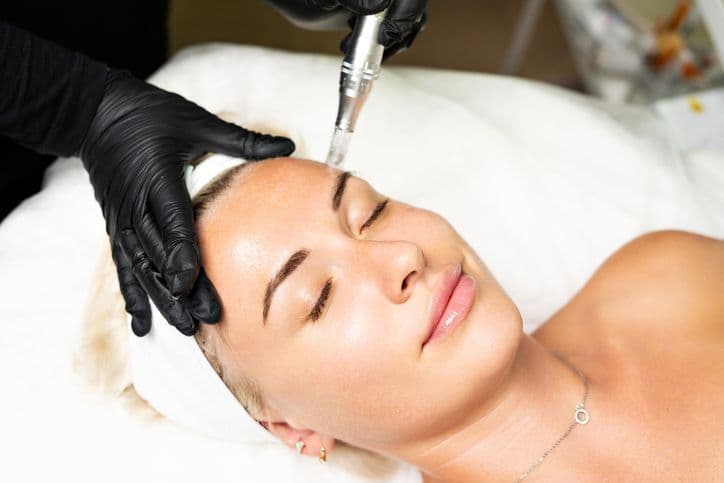
There is a certain kind of skin concern that skincare alone often struggles to fix.
You might have a good cleanser, a decent serum, and a moisturiser you actually use every day. Your skin may even feel healthier than before. But when you look closely, the texture is still uneven. Old acne marks still catch the light. Pores look more noticeable than you would like. Fine lines seem to sit on the surface no matter how much hydration you add.
That is usually when people start looking beyond home skincare and begin searching for microneedling Canberra treatments.
Microneedling has become popular because it sits in a very practical middle ground. It is more active than a facial, but less intimidating than surgery or aggressive resurfacing. It does not aim to change the way you look. Instead, it works with the skin’s natural repair response to support smoother texture, fresher tone, and a healthier-looking glow over time.
At Sycamore Medi Spa, this kind of treatment fits into a broader approach to personalised skin care: understanding the skin first, then choosing the treatment that makes the most sense for the person in front of them.
What Exactly Is Microneedling?
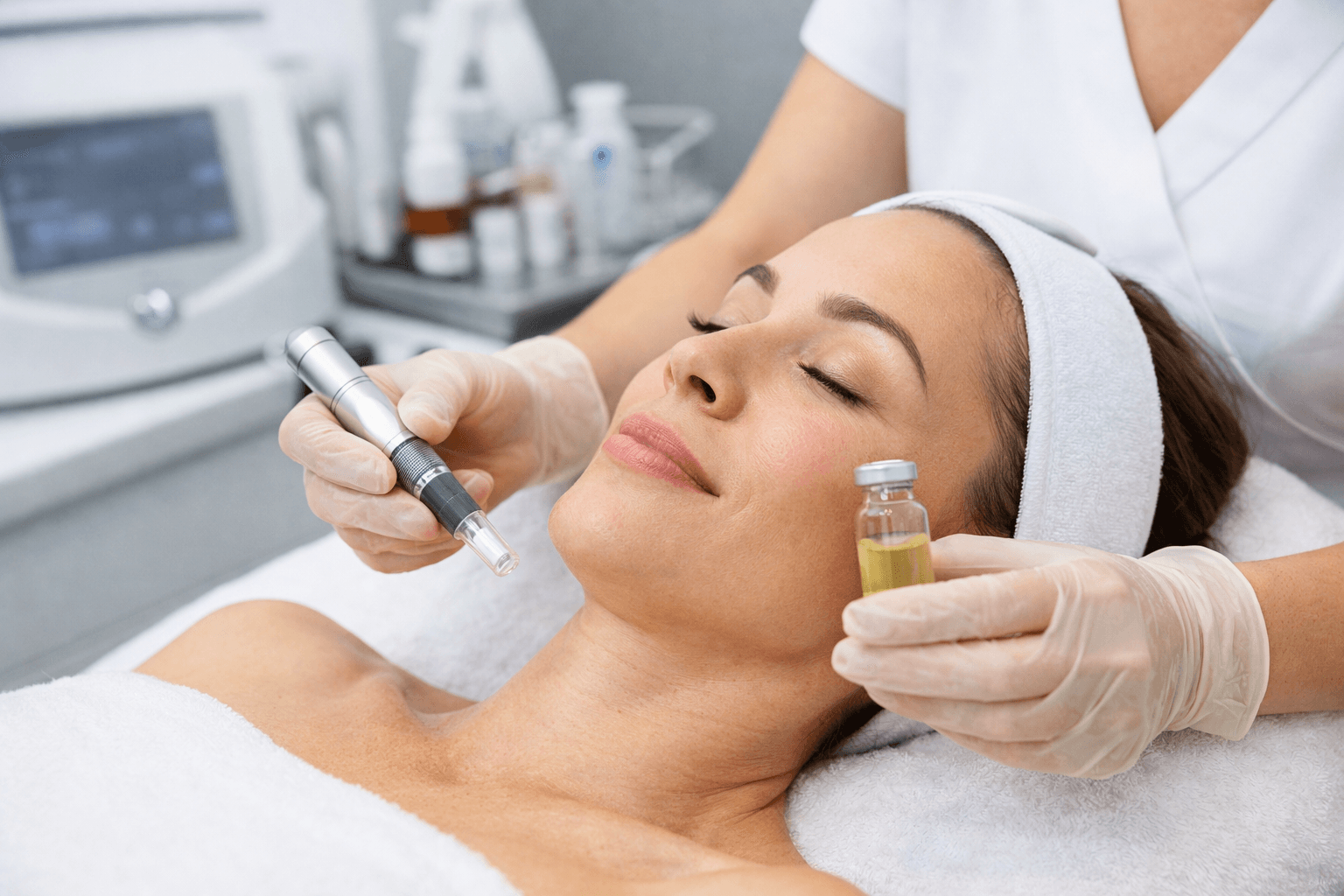
Microneedling, also known as collagen induction therapy, uses very fine needles to create controlled micro-channels in the skin. These tiny channels trigger the body’s natural healing response, encouraging collagen and elastin production over time. The American Academy of Dermatology explains that microneedling is used for concerns such as acne scars, dark spots, large pores, uneven skin texture, fine lines, and wrinkles.
The idea sounds simple, but the treatment is much more than “tiny needles on the face”. Professional microneedling is about precision. Needle depth, skin condition, treatment area, hygiene, and aftercare all matter. Done properly, it can support skin renewal without creating an overdone or artificial result.
That is one reason people are drawn to it. The result is not about looking like a different person. It is about looking a bit fresher, smoother, and more comfortable in your own skin.
For clients comparing options, Sycamore’s Meso Microneedling page is a helpful starting point. It explains how microneedling may be used for concerns such as uneven texture, dehydration, fine lines, pigmentation, dullness, post-acne marks, and general skin revitalisation.
Why Canberra Clients Are Paying More Attention to Skin Texture
In Canberra, skin can go through a lot. The dry climate, strong seasonal changes, heating in winter, sun exposure in summer, and everyday stress can all affect how the skin looks and feels.
For many people, the concern is not only ageing. It is texture. Skin can look tired even when you are not tired. Makeup may sit unevenly. Old acne marks may make the skin look rougher than it actually feels. Fine lines may appear more obvious when the skin is dehydrated.
This is where microneedling has gained attention. It targets skin quality rather than simply adding surface glow. By encouraging a repair response, it may help support firmer, smoother, and more even-looking skin over a series of treatments.
That “glow-back” effect is usually gradual. Some clients may notice a fresher look after the skin settles, but deeper changes linked to collagen support take time. This is also why realistic expectations matter. Microneedling is not a one-night miracle. It is a treatment that often works best as part of a planned skin journey.
The Appeal: Natural-Looking Improvement
A lot of people want their skin to look better, but they do not want the result to look obvious.
That is where microneedling feels appealing. It is not about adding volume or changing facial structure. It is about encouraging the skin to repair and strengthen itself. For people who want subtle, natural-looking improvement, that can feel more aligned with their goals.
Common reasons people consider microneedling include:
- post-acne marks or shallow acne scarring
- uneven skin texture
- enlarged-looking pores
- dull or tired-looking skin
- early fine lines
- roughness that skincare cannot fully smooth
- general skin rejuvenation
It is also a treatment that can suit different stages of skin care. Some people look into it after acne. Others consider it when their skin starts feeling less firm or less fresh than before. Some simply want a more refined surface so their skin looks better without heavy makeup.
Sycamore’s broader skin treatments in Canberra page shows how microneedling can sit alongside other targeted treatments, including pigmentation, acne, skin rejuvenation, and non-surgical lifting options.
Microneedling for Acne Scars and Post-Acne Texture
One of the biggest reasons people search for microneedling is acne scarring.
Acne scars can be frustrating because they are often structural. Pigmentation may fade with time, but pitted or uneven scars usually sit deeper in the skin. Skincare can support the barrier and improve overall skin condition, but it may not be enough to rebuild the collagen support beneath the scar.
Microneedling may help because it stimulates the skin’s repair process. Over time and with repeated treatments, the appearance of some atrophic acne scars may soften as collagen remodelling occurs. A dermatology review also describes microneedling as a versatile procedure used across concerns including acne scars, wrinkles, and skin rejuvenation.
This does not mean every acne scar responds in the same way. Scar type, depth, age, skin tone, active breakouts, and aftercare habits all influence the treatment plan. Some clients may need microneedling alone, while others may benefit from a combination approach.
For people focused specifically on acne scars, Sycamore’s article Stop Covering Acne Scars — Start Rebuilding Your Skin with Microneedling in Canberra is a useful internal resource that explains why scar improvement is usually about rebuilding, not simply covering.
Why Professional Microneedling Matters
At-home rollers and cheap devices have made microneedling look simple online. But professional microneedling is very different from rolling a tool across the skin at home.
The Therapeutic Goods Administration advises people considering microneedling to do proper research first, as with any cosmetic or medical procedure. The American Academy of Dermatology also notes that at-home microneedling can carry risks, including irritation, infection, scarring, and spreading viruses across the skin if not performed properly.
Professional treatment matters because it involves:
- controlled needle depth
- cleaner technique and appropriate hygiene
- assessment of whether your skin is ready
- careful adjustment for different areas of the face
- proper post-treatment guidance
- a plan based on skin goals, not social media trends
This is especially important for people with active acne, pigmentation-prone skin, sensitive skin, or a history of slow healing. In those cases, rushing into treatment can create more problems than benefits.
A good clinic will not treat microneedling as a one-size-fits-all service. They will ask about your skin history, current products, medication, sun exposure, previous treatments, and what you realistically want to improve.
What Happens During a Microneedling Appointment?
A professional microneedling appointment usually begins with some form of consultation or skin check. The practitioner needs to understand your current skin condition before deciding whether treatment is suitable on the day.
The skin is then cleansed and prepared. Depending on the clinic’s protocol and the treatment intensity, a numbing cream may be used to make the session more comfortable. During the treatment, the device is passed across the target area, creating controlled micro-channels in the skin.
Most people describe the sensation as scratchy, warm, or mildly uncomfortable rather than unbearable. Some areas, such as the forehead or around the cheekbones, may feel more sensitive.
After the session, the skin may look red and feel warm or tight. This is expected. Some people compare it to a strong post-workout flush or mild sunburn-like redness. Temporary dryness, sensitivity, swelling, or pinpoint bleeding can also occur depending on the treatment depth and skin response.
Sycamore’s Microneedling in Canberra: What to Know Before Booking Your First Treatment gives a helpful first-timer explanation of what clients should understand before booking, including suitability, expectations, and aftercare.
Aftercare: The Part People Should Not Ignore
The treatment does not end when you leave the clinic. Aftercare is a major part of the result.
Freshly treated skin needs time to calm and repair. In the first few days, most people are advised to keep skincare simple and avoid harsh active ingredients unless their practitioner gives different instructions. This often means pausing strong exfoliating acids, retinoids, scrubs, and anything likely to irritate the skin.
Sun protection is especially important. After microneedling, the skin can be more sensitive, and UV exposure may increase the risk of irritation or pigmentation issues. In a place like Canberra, where the sun can be strong even outside peak summer, this step really matters.
A sensible aftercare routine usually focuses on:
- gentle cleansing
- hydration
- barrier support
- avoiding heat and heavy sweating for a short period
- avoiding active skincare until the skin settles
- strict sun protection
- following the clinic’s specific instructions
This is also why choosing the right timing helps. It may not be ideal to book microneedling right before a sunny outdoor event, a beach holiday, or a week where you know you cannot follow aftercare properly.
How Many Sessions Are Needed?
This depends on the concern.
If someone wants a general refresh, they may notice improvement from one session. But for deeper texture issues, acne scarring, enlarged pores, or long-term collagen support, a series of sessions is often more realistic.
Collagen remodelling takes time. The skin needs weeks to respond, repair, and build new support. That is why microneedling results tend to develop gradually rather than instantly.
A good treatment plan should consider:
- your main concern
- your skin type
- your healing response
- your downtime tolerance
- your budget
- your skincare habits
- whether other treatments may be needed
This is where personalised planning becomes valuable. A clinic that understands skin will usually talk about progress over time, not promise dramatic change from a single session.
Why Microneedling Fits the “Healthy Skin” Trend
Beauty trends have shifted. More people are moving away from looking overly treated and moving towards skin that looks healthy, fresh, and natural.
Microneedling fits that trend well because it supports skin quality rather than covering or masking concerns. It also pairs well with a long-term skin plan. For example, someone may use microneedling to improve texture, then combine it with professional skincare, pigmentation management, or other rejuvenation treatments depending on their goals.
Sycamore’s blog Skin Renewal in 2026: Why Healthy, Natural-Looking Skin Is the New Beauty Goal explores this wider shift towards healthier-looking skin rather than quick, dramatic changes.
This is probably one of the biggest reasons microneedling is becoming more popular in Canberra. It feels practical. It feels achievable. And when done well, it supports the kind of result many people actually want: skin that still looks like yours, just smoother, fresher, and more confident.
Why Choose a Personalised Clinic Approach?
Microneedling may be popular, but popularity should never replace assessment.
Every skin has a different story. Someone with acne scarring may need a different plan from someone with pigmentation. Someone with dry, sensitive skin may need preparation before treatment. Someone with active breakouts may need acne control first. Someone with early ageing concerns may benefit from combining microneedling with other rejuvenation options.
This is why the consultation matters. Sycamore Medi Spa describes its approach as personalised, with treatments tailored around individual skin needs and long-term skin health. Their About Us page highlights the clinic’s focus on professional assessment, evidence-based protocols, and tailored treatment planning in Canberra.
Sycamore is also listed on QXweb’s Sycamore Beauty Pty Ltd company profile, where the business is described as a Canberra aesthetic and wellness clinic offering personalised, results-driven treatments across Civic and Franklin.
For clients researching microneedling in Canberra, this local presence matters. You are not just choosing a device. You are choosing the people who assess your skin, perform the treatment, guide your aftercare, and help you decide what should come next.
Is Microneedling Right for Everyone?
Not always.
Microneedling may not be suitable if the skin is actively infected, severely inflamed, very irritated, or dealing with certain skin conditions. It may also need to be delayed for people using particular medications or those who are pregnant or breastfeeding, depending on clinic policy and professional advice.
That does not mean microneedling is unsafe for everyone. It simply means the timing and suitability need to be checked properly.
A responsible clinic should be willing to say, “Not yet,” if your skin is not ready. Sometimes the best plan is to calm inflammation first, repair the barrier, manage acne, or adjust home care before beginning collagen-stimulating treatments.
That kind of honesty is not a setback. It is good skin care.
Common Questions About Microneedling in Canberra
Does microneedling hurt?
Most clients find it manageable, especially when the skin is properly prepared. The sensation can vary depending on treatment depth and the area being treated. Some areas feel more sensitive than others.
How long does redness last after microneedling?
Redness is common after treatment and usually settles gradually. Some people look flushed for a day or two, while others may experience mild sensitivity, dryness, or tightness for a little longer.
Can microneedling help acne scars?
Microneedling is commonly used for atrophic acne scars and uneven texture because it supports collagen production. Results are gradual and usually improve over a series of sessions.
Can I wear makeup after microneedling?
It is usually best to avoid makeup immediately after treatment while the skin is sensitive. Your practitioner will give specific aftercare instructions based on your skin and treatment intensity.
Is microneedling better than a facial?
They are different treatments. A facial can hydrate, refresh, and support the skin surface. Microneedling works more actively by stimulating the skin’s repair response. For texture, acne scars, and collagen support, microneedling may be more suitable.
How do I choose the right clinic?
Look for proper consultation, realistic advice, clear aftercare, professional hygiene, and a treatment plan tailored to your skin. The best clinic will not push microneedling if your skin needs something else first.
A Softer Way Back to Confident Skin
Microneedling has become popular because it speaks to what many people want now: better skin without looking overdone.
It is not about chasing a flawless filter effect. It is about improving the skin’s own texture, strength, and glow over time. For people dealing with acne scars, dullness, fine lines, enlarged pores, or uneven texture, that can feel like a meaningful step forward.
If you are considering microneedling in Canberra, start with a proper consultation and realistic expectations. The best results usually come from a plan, not impulse. With the right approach, microneedling can be more than a trend. It can be a thoughtful way to help your skin look healthier, smoother, and more like itself again.