Pigmentation Removal Laser: What to Know Before Treating Dark Spots
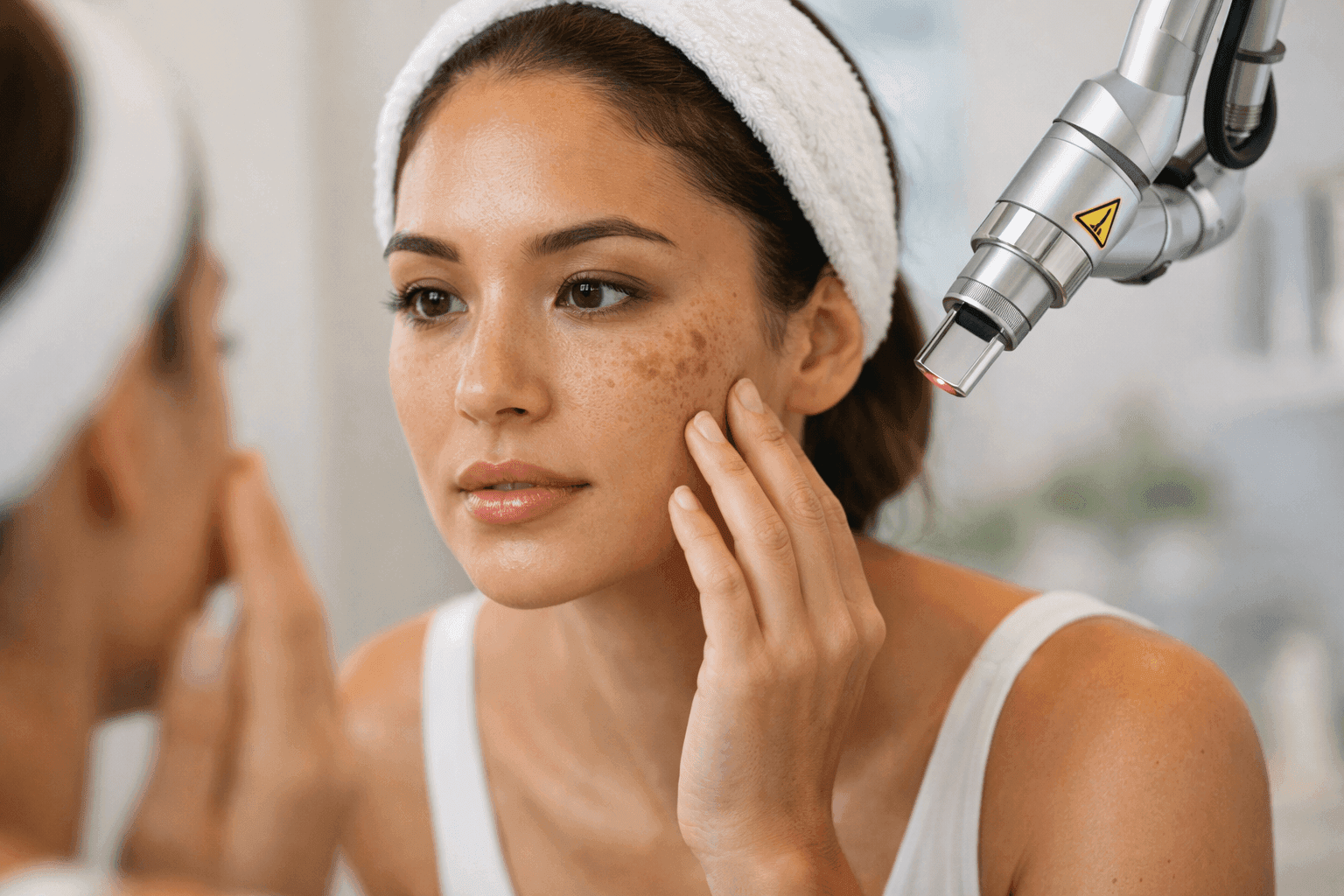
Dark spots can be frustrating because they rarely appear overnight, and they usually do not fade overnight either. One small patch near the cheekbone, a cluster of freckles across the nose, acne marks that refuse to leave, or sun spots that seem darker every summer — pigmentation can show up in different ways, and each type has its own behaviour.
That is why pigmentation removal laser treatments need more than a quick “yes or no” answer. Laser can be very effective for certain types of pigmentation, but it is not something to approach casually. Your skin type, the cause of the pigment, your recent sun exposure, your skincare routine, and even your hormones can all affect the safest treatment plan.
At Sycamore Medi Spa, Laser Pigmentation Removal is designed for people who want to reduce the look of dark spots, sun damage, freckles, age spots and uneven tone with a more targeted approach. But before booking any pigmentation removal laser treatment, it helps to understand what the treatment can do, what it cannot promise, and how to prepare your skin properly.
What Actually Causes Dark Spots?
Pigmentation happens when melanin, the pigment that gives colour to your skin, becomes unevenly distributed or overproduced in certain areas. This can happen for several reasons. Sun exposure is one of the biggest triggers, especially in Australia, where UV levels can be high for much of the year. Hormonal changes, inflammation, acne, skin injury, ageing, genetics and some medications can also play a role.
Not all dark spots are the same. Some sit closer to the surface of the skin, while others are deeper or more reactive. This matters because surface pigmentation may respond more predictably to light-based or laser treatment, while deeper or hormonally driven pigment can be more stubborn.
Common pigmentation concerns include:
- sun spots
- freckles
- age spots
- post-acne marks
- post-inflammatory hyperpigmentation
- uneven skin tone
- melasma-like patches
The American Academy of Dermatology notes that treatment for dark spots should begin with sun protection, because UV exposure can darken existing spots and contribute to new ones. This is especially important for darker skin tones and pigmentation-prone skin.
How Pigmentation Removal Laser Works
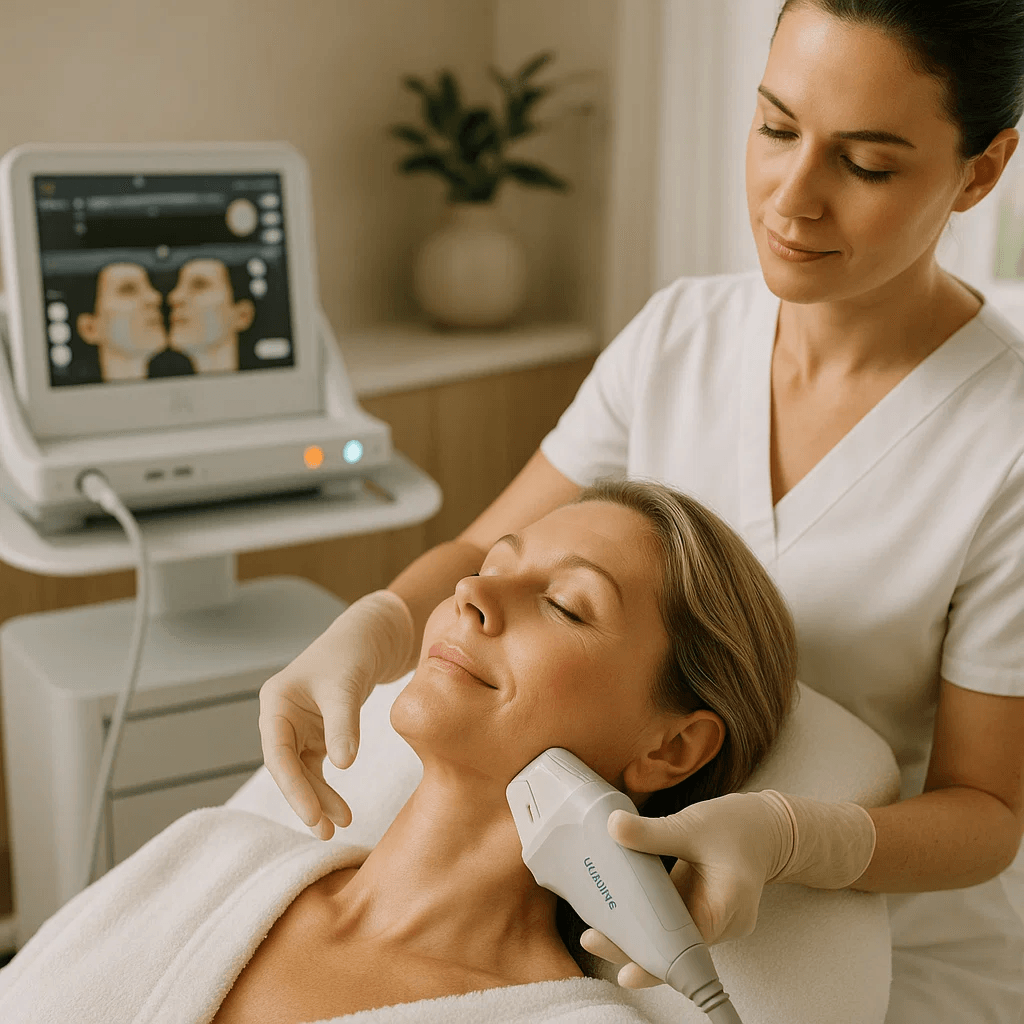
A pigmentation removal laser works by delivering controlled energy into the skin to target excess pigment. Depending on the technology used, the laser energy is absorbed by melanin in the pigmented area. This helps break the pigment into smaller particles, which the body can gradually clear through its natural processes.
This is different from simply applying a brightening serum at home. Skincare can help support tone and prevent further darkening, but topical products usually work gradually at the surface. Laser treatment is more targeted, which is why it is often considered when pigmentation is more visible, stubborn, or resistant to standard skincare.
Sycamore’s laser pigmentation explains that Q-switched pigment laser technology may be used for concerns such as freckles, age spots and certain types of deeper pigmentation. The page also notes that repeated treatments may be needed depending on the condition and how the pigment responds.
That last point is important. A pigmentation removal laser is not a magic eraser. Some spots fade noticeably after fewer sessions, while others need a series of treatments and ongoing maintenance. The goal is usually clearer, more even-looking skin — not artificially perfect skin.
Which Types of Pigmentation Can Laser Help With?
Laser can be a good option for some forms of pigmentation, particularly well-defined dark spots caused by sun exposure or ageing. These spots often appear on areas that receive regular UV exposure, such as the face, hands, shoulders, décolletage and upper back.
Pigmentation removal laser may be considered for:
- freckles
- sun spots
- age spots
- selected post-inflammatory marks
- patchy uneven tone
- some superficial pigmented lesions
However, proper assessment matters. A dark mark is not always just a cosmetic spot. Some lesions should be checked medically before cosmetic treatment, especially if they are changing in shape, colour, size, or texture. A responsible treatment approach should always include screening and referral when something does not look suitable for cosmetic laser.
Melasma also needs special care. DermNet notes that lasers and chemical peels can be used cautiously for melasma, but they can also worsen melasma or trigger post-inflammatory hyperpigmentation in some patients. This is why a consultation is not just a formality. It helps determine whether laser is suitable, whether another treatment should come first, or whether a gentler pigment-control plan may be safer.
Why Consultation Matters More Than Choosing “The Strongest Laser”
A common mistake is thinking stronger treatment always means better results. With pigmentation, that is not always true. In fact, overly aggressive treatment can irritate the skin and potentially make pigmentation worse, especially in people who are prone to post-inflammatory hyperpigmentation.
A proper consultation should look at:
- your natural skin tone
- the type and depth of pigmentation
- whether the pigment is stable or still changing
- recent tanning or sunburn
- active acne, irritation or infection
- current skincare products
- previous laser or peel history
- pregnancy, hormonal changes or relevant medical history
- your tolerance for downtime
This is where professional judgement becomes essential. Two people can have dark spots that look similar in photos but require completely different plans. One may be suitable for laser. Another may need barrier repair, pigment-stabilising skincare, sun protection, or a different treatment pathway first.
For broader skin concerns such as dullness, uneven texture and early ageing, pigmentation treatment may also sit within a wider Skin Rejuvenation Canberra plan. In real life, people rarely have just one concern. Pigmentation often appears alongside dehydration, rough texture, enlarged pores, redness or loss of glow, so the best plan may combine correction and maintenance over time.
Laser vs IPL: Are They the Same?
Laser and IPL are often talked about together, but they are not exactly the same.
Laser uses a focused wavelength of light to target a specific concern. IPL, or intense pulsed light, uses broader-spectrum light and can address several surface concerns such as redness, sun damage, mild pigmentation and general dullness, depending on the device and settings.
At Sycamore, IPL for Skin Rejuvenation is positioned as an option for uneven texture, hyperpigmentation and signs of premature ageing, with quick sessions and no downtime listed as treatment features. This may appeal to clients who want general skin brightening and rejuvenation rather than targeting isolated dark spots only.
So which one is better? It depends on the concern. Pigmentation removal laser may be preferred for more specific pigment targeting, while IPL may suit people who want overall skin freshness, mild pigment improvement and tone refinement. Some clients may eventually benefit from both, but not always at the same time.
What Should You Do Before Pigmentation Removal Laser?
Preparation can make a real difference to both safety and results. Most importantly, avoid tanning and strong sun exposure before treatment. Laser works by targeting pigment, so recently tanned skin can increase the risk of heat-related irritation, burns or unwanted pigmentation changes.
Before your appointment, your practitioner may recommend that you:
- avoid sun tanning or sunburn before treatment
- pause strong actives such as retinoids, exfoliating acids and bleaching products
- avoid chemical peels close to treatment
- tell your practitioner about photosensitising medications
- avoid treatment over active infection, open wounds or inflamed skin
- arrive with clean skin if advised
Sycamore’s pre-care guidance for laser pigmentation removal includes avoiding sun exposure, tanning or sunburn for at least four weeks prior to treatment, and discontinuing active skincare products such as retinoids and exfoliating acids for at least two weeks before treatment.
This is not about being overly cautious. It is about giving the skin the best chance to respond calmly.
What Does the Treatment Feel Like?
Sensation varies from person to person, but pigmentation removal laser is often described as quick, warm, prickly, or similar to tiny snaps on the skin. Some areas feel more sensitive than others, especially around the upper lip, nose, cheekbones or bony areas.
The appointment usually begins with cleansing and skin assessment. Eye protection is used when required. The practitioner then treats the selected area with controlled laser energy. Depending on the size of the area, the treatment may be relatively quick.
Afterward, the pigment may appear darker before it fades. This can worry people if they are not expecting it, but temporary darkening can be part of the process for some types of pigment. The treated area may also feel warm or look pink for a short time.
What Happens After Treatment?
Aftercare is one of the biggest parts of pigmentation management. Even when the treatment itself goes well, poor aftercare can affect recovery and results.
You may be advised to:
- avoid picking, scratching or rubbing the treated area
- keep the skin clean and calm
- avoid active skincare during the recovery period
- avoid heat, sauna, steam and intense exercise for a short period if advised
- use recovery products recommended by your practitioner
- avoid direct sun exposure
- apply suitable sunscreen once allowed
Sycamore’s post-care guidance also highlights the importance of avoiding UV exposure and strong light during recovery, using physical sun protection such as hats and umbrellas when outdoors, and allowing any scabbing to fall off naturally.
Sun protection is not optional after pigmentation treatment. Cancer Council Australia recommends SPF50 or SPF50+ broad-spectrum, water-resistant sunscreen, applied correctly and reapplied every two hours when needed. For pigmentation-prone skin, this habit is not just about preventing sunburn. It helps reduce the chance of new dark spots forming and existing pigmentation becoming darker again.
How Long Does It Take to See Results?
Some people notice pigment darkening and then flaking or fading over the following days to weeks. Others see a more gradual softening of the spot over several sessions. The timeline depends on the pigment type, skin type, treatment area and how well the skin is protected afterward.
A single small sun spot may respond differently from widespread pigmentation across the cheeks. Post-acne marks may behave differently again. Melasma, if present, can be especially unpredictable and often needs longer-term management rather than a simple “remove it once” mindset.
A realistic treatment plan should explain:
- how many sessions may be needed
- what kind of fading is realistic
- whether maintenance may be required
- what aftercare is essential
- whether other treatments may help support the result
This honest expectation-setting is what separates good cosmetic treatment from overpromising.
Can Pigmentation Come Back?

Yes, pigmentation can come back, especially if the trigger remains active. Laser can target existing pigment, but it cannot permanently stop your skin from producing melanin in the future. Sun exposure, hormones, inflammation, acne flare-ups and heat can all contribute to recurrence.
This is why many people need a long-term plan. The treatment may reduce existing spots, but maintenance protects the result.
For some clients, this may include supportive facials, gentle brightening treatments, or skin barrier care between more corrective treatments. A treatment like the WishPro Magnetic Infusion Facial may be considered when the goal is hydration, radiance and a refreshed look without moving straight into a stronger corrective procedure.
For texture, pores, acne marks or collagen support, Meso Microneedling may also be part of a broader rejuvenation plan, particularly when uneven tone is combined with roughness or post-inflammatory marks. The point is not that every person needs multiple treatments. It is that skin concerns often overlap, so the plan should match the actual skin rather than just the name of one condition.
A Clearer Plan Starts with Knowing Your Pigment
Dark spots can affect how confident you feel about your skin, especially when makeup does not cover them well or when they keep returning after summer. Pigmentation removal laser can be a strong option for the right type of pigment, but the safest results come from proper assessment, realistic expectations and consistent aftercare.
At Sycamore Medi Spa, the goal is not to rush every client into the same treatment. It is to understand what is causing the pigmentation, how your skin is likely to respond, and what approach will give you the best chance of clearer, healthier-looking skin over time.
If you are thinking about pigmentation removal laser, start with the basics: protect your skin from UV, avoid picking or irritating dark marks, be honest about your treatment history, and choose a consultation-led clinic that explains the process clearly.
That is usually where better skin decisions begin.
FAQ: Pigmentation Removal Laser
1. Is pigmentation removal laser painful?
Most people describe the sensation as warm, prickly, or like small snaps against the skin. Comfort levels vary depending on the area treated, the depth of pigment and your personal sensitivity. A professional practitioner should explain what sensations are normal before treatment starts.
2. How many sessions will I need?
It depends on the type of pigmentation, how deep it is, your skin type and how your skin responds. Some small sun spots may improve faster, while widespread pigmentation or deeper pigment may need several sessions. Your practitioner should give you a realistic estimate after assessing your skin.
3. Will dark spots disappear completely?
Some pigmentation can fade significantly, but complete removal cannot be guaranteed. Results vary from person to person. The aim is usually to reduce visible pigmentation and create a more even-looking skin tone.
4. Why do spots look darker after laser?
Some pigment may temporarily darken after treatment before it flakes, fades or gradually breaks down. This can be a normal part of the process, depending on the type of pigment treated. Your practitioner should explain what to expect during recovery.
5. Can pigmentation come back after laser?
Yes, it can. Sun exposure, hormones, inflammation, acne and heat can all trigger new pigmentation or darken existing pigment. Daily sun protection and proper maintenance are important if you want to protect your results.
6. Is laser suitable for melasma?
Laser may not always be the first choice for melasma because melasma can be reactive and may worsen if treated too aggressively. A professional skin assessment is important before choosing any laser-based treatment for melasma-like pigmentation.
7. Can I wear makeup after pigmentation removal laser?
This depends on how your skin looks and feels after treatment. If there is redness, irritation, blistering, scabbing or sensitivity, you may need to avoid makeup until the skin has settled. Follow your practitioner’s aftercare instructions.
8. What should I avoid after treatment?
Avoid picking, scratching, sun exposure, heat, harsh exfoliation and strong active skincare until your skin has recovered. Sunscreen and physical sun protection are especially important after pigmentation treatment.
9. Is pigmentation removal laser better than brightening skincare?
They work differently. Brightening skincare can help support tone and reduce future pigmentation risk, but it may not be strong enough for stubborn dark spots. Pigmentation removal laser is more targeted, but it still needs good skincare and sun protection to maintain results.
10. Can laser help with acne marks?
Laser may help with certain post-inflammatory pigmentation marks, but acne marks can vary. Some are pigment-based, some are red marks, and some are textural scars. If acne marks are combined with uneven texture or pores, treatments such as microneedling or broader skin rejuvenation may also be discussed.