Skin Texture, Fine Lines and Pores: What Microneedling Can Help Improve
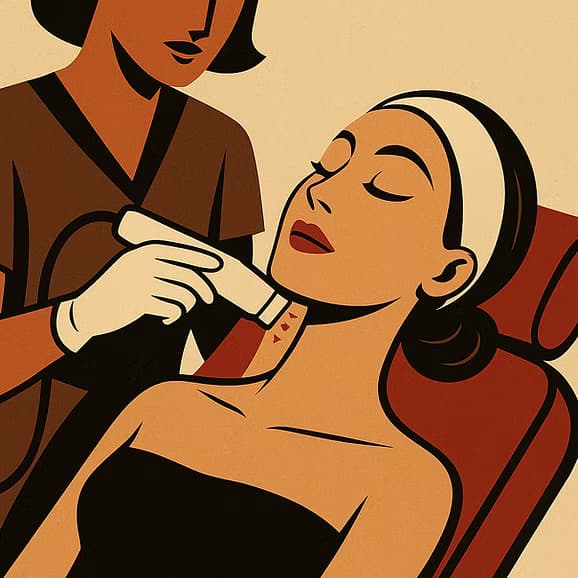
Skin does not usually change in one simple way. For many people, the first thing they notice is texture. Makeup does not sit as smoothly as before. Pores look more obvious around the cheeks or nose. Fine lines start showing when the skin feels dry or tired. And sometimes, even after trying good skincare, the surface still looks a little uneven.
That is why microneedling has become such a popular topic in skin rejuvenation. It is not just a “glow treatment”, and it is not only for acne scars. When performed professionally, microneedling can support smoother-looking skin, improve the appearance of fine lines, and help refine visible pores over time.
For anyone researching microneedling Canberra, the real question is usually not “What is trending?” It is more personal than that. You want to know whether it can help with the concerns you actually see in the mirror every day.
At Sycamore Medi Spa, microneedling sits within a broader skin treatment approach. Rather than treating every client the same way, the aim is to understand your skin condition, your lifestyle, and the result you are hoping for.
Why Texture, Fine Lines and Pores Often Appear Together

Skin texture, fine lines and pores can feel like separate problems, but they are often connected.
Uneven texture may come from acne history, congestion, dehydration, slow skin renewal, sun exposure, or collagen loss. Fine lines often become more noticeable when the skin has less elasticity or hydration. Pores can look larger when the skin around them loses firmness, or when oil, dead skin cells and congestion make the surface appear rougher.
This is why one product rarely fixes everything. A moisturiser may help with dryness, but it will not rebuild deeper textural change. An exfoliant may brighten dull skin, but it may not be enough for fine lines or post-acne unevenness. Microneedling is different because it works by creating controlled micro-injuries in the skin, which encourages the body’s natural repair response and supports new collagen and elastin formation.
The American Academy of Dermatology notes that microneedling is used to improve concerns such as acne scars, large pores, uneven skin texture, wrinkles and fine lines. It is also known as collagen induction therapy because of the way it stimulates collagen production.
What Microneedling Actually Does
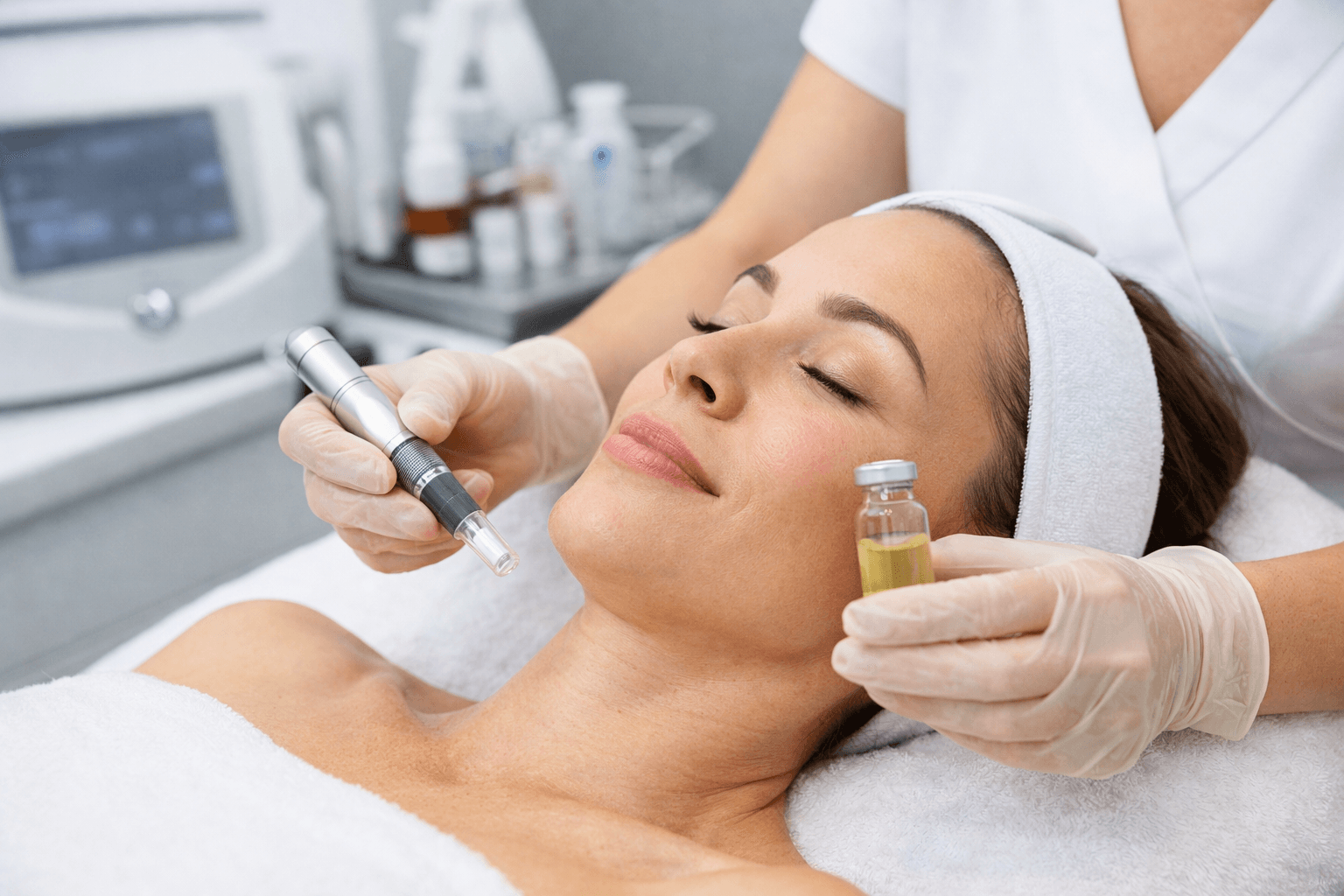
Microneedling uses very fine needles to create tiny channels in the skin. This might sound intense at first, but the treatment is controlled and performed with purpose. The goal is not to damage the skin. The goal is to trigger a healing response that encourages the skin to renew itself.
As the skin repairs, collagen and elastin production may increase. These are two important structural proteins that help skin look smoother, firmer and more resilient. Over time, this process can help improve the look of rough texture, early fine lines, mild acne scarring and enlarged-looking pores.
Sycamore’s Meso Microneedling treatment is designed for skin rejuvenation and collagen support. It may be suitable for clients who want improvement in skin quality without choosing a more invasive treatment path.
A helpful way to think about microneedling is this: it is not a quick cover-up. It is a gradual skin-improvement treatment. Some people notice a fresher look quite soon after the skin settles, but the more meaningful changes usually develop over a series of treatments.
Can Microneedling Improve Uneven Skin Texture?
Texture is one of the main reasons people look into microneedling. Uneven texture can show up as roughness, shallow acne marks, small dips, dullness, or skin that simply does not reflect light evenly anymore.
Skincare can help surface smoothness, but when the texture is linked to deeper collagen change, professional treatments may be needed. Microneedling can support gradual remodelling by encouraging the skin’s repair process below the surface.
For example, if someone has mild post-acne texture, microneedling may help soften the appearance of uneven areas over time. If the skin feels rough and tired because of slow renewal, it may help improve overall smoothness and radiance. If the skin looks less firm around the cheeks, collagen support may also help the surface appear more refined.
A 2020 review published in the Journal of Cosmetic Dermatology found that microneedling is a useful treatment for acne scarring, while also noting that results can vary and more standardised protocols are still needed. This is a good reminder that microneedling can be effective, but it should still be planned carefully based on the individual’s skin.
What About Fine Lines?
Fine lines are often one of the first ageing concerns people notice. They may appear around the eyes, mouth, forehead, or cheeks. Sometimes they are more obvious when the skin is dehydrated. Other times, they are linked to gradual collagen loss, repeated facial movement, sun exposure, or lifestyle factors.
Microneedling does not work like anti-wrinkle injections. It does not freeze movement. It also does not work like dermal filler, which adds volume. Instead, microneedling works more gradually by supporting the skin’s own repair and renewal process.
This makes it appealing for people who want a fresher, smoother look without changing their facial expression or overall appearance. It is especially relevant for early fine lines and mild textural ageing.
The American Society for Dermatologic Surgery describes microneedling as a treatment that can improve overall skin texture over time through the body’s wound-healing response, supporting collagen and elastin formation. It also notes that microneedling may help decrease the appearance of fine lines and textural irregularities.
For clients who are also dealing with dullness or dehydration, Sycamore may recommend a broader plan that includes treatments such as SkinCeuticals Facial Treatment, depending on skin condition and goals. This is where a personalised consultation becomes important. Fine lines are not always only an ageing issue; sometimes the skin also needs hydration, barrier support and better surface renewal.
Can Microneedling Make Pores Look Smaller?
This is one of the most common questions clients ask.
Technically, pores do not open and close like doors. Their actual size is influenced by genetics, oil production, skin thickness, congestion and ageing. However, pores can look more noticeable when the skin around them loses firmness or when the surface becomes rough.
Microneedling may help improve the appearance of pores by supporting the surrounding skin structure. When the skin becomes smoother and firmer-looking, pores may appear less obvious. This does not mean microneedling can erase pores completely. Pores are a normal part of skin. The goal is refinement, not perfection.
This is also why pore concerns often need a combined approach. If pores are enlarged because of congestion, cleansing habits, oil control and exfoliation may matter. If they look larger because the skin has lost firmness, collagen-supporting treatments may be more relevant. If they appear worse because of dehydration, hydration-focused facials may help the skin look more balanced.
For people who are not ready for microneedling yet, or who want something gentler between more advanced treatments, Sycamore’s article on Wishpro Facial explains another skin-refreshing option focused on hydration, glow and overall comfort.
Why Canberra Skin May Need Extra Support
Canberra’s climate can be tough on skin. The dry air, seasonal temperature changes and strong Australian UV exposure can all contribute to dehydration, sensitivity, pigmentation and premature ageing. Many people find that their skin feels tight in winter, oilier in certain zones, and more reactive after sun exposure.
This matters because texture, fine lines and pores often become more visible when the skin barrier is stressed. Dryness can make fine lines look deeper. UV exposure can affect collagen over time. Inflammation from acne or irritation can leave behind marks and roughness.
Sycamore’s article on Acne, Pigmentation and Skin Lifting in Canberra explains how these concerns often overlap. Acne may leave texture and pigmentation. Sun exposure may make pigmentation more stubborn. Collagen loss may make pores and fine lines more visible. In real life, skin rarely follows one neat category.
That is why people searching for microneedling Canberra are often not only looking for one treatment. They are looking for a smarter way to improve overall skin quality.
Professional Microneedling vs At-Home Devices
At-home rollers and microneedling tools are easy to find online, but they are not the same as professional treatment.
The main concerns with DIY microneedling are hygiene, depth control, technique and product safety. Using the wrong pressure, using a non-sterile tool, or applying unsuitable active ingredients after needling can increase the risk of irritation, infection, pigmentation or scarring.
Professional microneedling is different because the practitioner can assess whether your skin is suitable, choose appropriate treatment settings, avoid unsafe areas, and give proper aftercare instructions.
This is especially important if you have active acne, sensitive skin, pigmentation, eczema, a history of cold sores, or a tendency to scar. Microneedling can be very useful for the right candidate, but it is not something every skin should receive at every time.
What to Expect After Treatment
After microneedling, it is normal for the skin to look red, warm or slightly sensitive. Some people describe it as feeling similar to mild sunburn. The level of redness depends on your skin, the treatment intensity and the area treated.
In the first few days, your skin may feel dry, tight or slightly flaky. This is part of the recovery process. During this period, aftercare matters a lot. You will usually need to keep skincare simple, avoid harsh actives, protect the skin from sun exposure, and follow the clinic’s specific instructions.
Cleveland Clinic notes that most people need multiple microneedling treatments, often spaced several weeks apart, and that results may take months to develop as collagen remodelling continues.
This is why realistic expectations are important. Microneedling is not usually a one-session miracle. It is more like training the skin to gradually behave better. The improvements often build slowly: smoother texture, softer-looking lines, more refined pores, and a fresher overall appearance.
Who May Be a Good Candidate?
Microneedling may be suitable for people who want to improve:
- Uneven skin texture
- Mild acne scarring
- Enlarged-looking pores
- Early fine lines
- Dull or tired-looking skin
- General skin quality and firmness
However, it may not be suitable if you currently have active acne flare-ups, certain skin infections, strong irritation, uncontrolled inflammatory skin conditions, or medical factors that affect healing. This is why a consultation is not just a formality. It helps determine whether microneedling is right for your skin now, or whether another treatment should come first.
For clients comparing options, Sycamore’s previous blog Can Microneedling Help with Acne Scars, Pores, and Fine Lines? is also a useful related read, especially if acne scars are one of the main concerns.
Why Treatment Planning Matters
The best microneedling results usually come from a plan, not a random appointment.
For example, someone with acne scarring may need acne stabilisation first. Someone with pigmentation may need sun protection and pigment management before or alongside texture treatment. Someone with fine lines may benefit from microneedling combined with hydration-focused care. Someone with sensitive skin may need barrier repair before any advanced treatment.
This is where Sycamore Medi Spa’s approach becomes valuable. The clinic offers a range of skin treatments, which means microneedling can be considered as part of a broader skin journey rather than being treated as a one-size-fits-all solution.
Clients can also view Sycamore’s verified business information through its QX Web company profile, which lists the clinic as an ACT-based beauty and wellness provider with locations in Canberra.
What Can Microneedling Really Improve?
Microneedling can be a strong option for people who want their skin to look smoother, fresher and more refined. It may help improve the appearance of uneven texture, fine lines and enlarged-looking pores by supporting collagen production and natural skin renewal.
But the key word is “improve”. Good microneedling is not about promising flawless skin overnight. It is about helping the skin gradually become healthier-looking and more even over time.
For many people, that is exactly what they want. Not a dramatic change. Not a completely different face. Just skin that feels smoother, looks more balanced, and reflects light a little better.
If you are considering microneedling in Canberra, the best starting point is to understand your main concern first. Is it texture? Fine lines? Pores? Acne scarring? Dullness? Once that is clear, a professional consultation can help decide whether Meso Microneedling
is the right step, or whether your skin would benefit from another treatment plan first.
FAQ
Does microneedling hurt?
Most people find microneedling manageable, especially when performed professionally. The sensation can feel like light scratching, warmth or prickling. Comfort levels depend on the treatment area, skin sensitivity and treatment depth.
How many microneedling sessions will I need?
It depends on your skin goals. Mild texture or dullness may need fewer sessions, while acne scars, deeper texture concerns or more visible fine lines often require a series of treatments. Your practitioner can recommend a plan after assessing your skin.
Can microneedling remove pores completely?
No. Pores are a normal part of skin and cannot be removed. However, microneedling may help pores appear more refined by improving the surrounding skin texture and firmness.
Is microneedling good for acne scars?
Microneedling is commonly used for certain types of acne scarring, especially depressed or textural scars. However, active acne should usually be managed first to reduce irritation and avoid worsening inflammation.
How long does it take to see results?
Some people notice a fresher glow after the skin settles, but collagen-related changes usually take longer. More visible improvements often appear gradually over weeks to months, especially after a series of treatments.
Can I wear makeup after microneedling?
You may need to avoid makeup for a short period after treatment, depending on your practitioner’s aftercare instructions. Since the skin is recovering, it is usually best to keep products gentle and minimal at first.
Is microneedling suitable for sensitive skin?
It depends on the type of sensitivity. Some sensitive skin may need barrier repair before microneedling. A professional skin assessment is important to decide whether your skin is ready.
What should I avoid after microneedling?
Common aftercare advice includes avoiding strong active ingredients, excessive sun exposure, heat, heavy exercise, harsh exfoliation and picking at the skin while it heals. Always follow the specific aftercare advice given by your clinic.
Is microneedling better than laser?
Not always. Microneedling and laser treatments work differently. Microneedling is often chosen for texture, pores, fine lines and collagen support, while lasers may be more suitable for certain pigmentation or resurfacing concerns. The right choice depends on your skin condition and goals.
Where can I book microneedling in Canberra?
You can learn more about Sycamore Medi Spa’s Meso Microneedling treatment and book a consultation to discuss whether it suits your skin concerns.