


Why Your Pigmentation Keeps Coming Back — And How Laser Treatment in Canberra Really Works
- Qi Xin
- Feb 20
- 7 min read
If you’ve ever looked in the mirror and thought, “I’ve treated this before… so why is it back again?” — you’re not alone.
Pigmentation is one of the most frustrating skin concerns we see in Canberra. Sunspots fade, melasma lightens, freckles soften… and then, months later, the colour slowly creeps back. This cycle can feel discouraging, especially if you’ve already invested time and money into treatments.
The truth is: pigmentation isn’t stubborn because your skin is failing — it’s stubborn because pigmentation is complex. And without addressing the root causes, even the best treatment can deliver only temporary results.
In this guide, we’ll break down why pigmentation keeps returning, what actually works long‑term, and how professional pigmentation removal laser in Canberra is designed to treat pigment safely, strategically, and effectively — especially when guided by experienced clinicians.
What Causes Pigmentation to Keep Returning?
Before we talk about solutions, it’s important to slow down and really understand why pigmentation behaves the way it does. Many people are told they have “sunspots” or “melasma” without much explanation, which can make treatment feel like guesswork rather than a clear plan.
Pigmentation is your skin’s protective response. Melanin exists to shield deeper layers of skin from damage. When that system becomes overstimulated or dysregulated, pigment doesn’t just appear — it lingers.
That’s why pigmentation often returns after treatment if the underlying triggers are still active.
Pigmentation is not a single condition. It’s a visible symptom of deeper skin behaviour. Understanding what’s happening underneath is the first step to lasting improvement.
1. Sun Exposure (Even When You’re Careful)
Sun exposure is the most common — and most underestimated — cause of recurring pigmentation, especially in Canberra.
Many clients tell us they “don’t sunbake” or that they “wear sunscreen sometimes,” yet pigment still returns. The reason is cumulative UV exposure.
Canberra has:
High UV levels even in cooler months
Strong reflected UV from concrete, roads, and glass
Long-term environmental exposure rather than intense beach exposure
What this means for your skin:
Pigment cells that were activated years ago can reappear later
Even brief daily exposure can re-stimulate melanin production
Heat can worsen pigmentation, even without visible sunburn
Without consistent UV protection and pigment-stabilising care, laser treatments may clear visible pigment — but cannot stop the trigger that caused it.
Canberra’s climate makes sun damage sneaky. Even on cool or cloudy days, UV radiation can stimulate melanin production.
Here’s what many people don’t realise:
UV exposure from years ago can surface later as pigment
Daily incidental exposure (driving, walking, sitting near windows) adds up
Existing pigment cells are easily re‑triggered by heat and light
Without proper protection and pigment‑stabilising care, pigment often reappears after treatment.
2. Hormonal Triggers (Especially Melasma)
Hormonal pigmentation behaves very differently from sunspots or freckles, which is why it’s often misunderstood.
Melasma is influenced by internal factors, including:
Pregnancy and post-partum hormonal shifts
Oral contraceptives or hormone therapy
Stress-related cortisol changes
This type of pigmentation often appears as symmetrical patches on the cheeks, forehead, or upper lip. It sits deeper in the skin and is highly reactive to heat, inflammation, and light.
Because of this, melasma requires:
Careful laser selection
Lower, controlled energy settings
Longer-term treatment planning rather than aggressive correction
When treated incorrectly, melasma can darken instead of improving — which is why professional assessment is essential.
Hormonal pigmentation behaves differently from sunspots or freckles. Factors include:
Pregnancy or post‑partum changes
Oral contraceptives
Hormonal fluctuations over time
This type of pigmentation sits deeper in the skin and is highly reactive, which is why aggressive or incorrect treatments can actually make it worse.
3. Inflammation and Acne
Post‑inflammatory hyperpigmentation (PIH) is common after:
Acne breakouts
Skin picking
Over‑exfoliation
Aggressive home treatments
When the skin barrier is compromised, pigment cells are easily overstimulated — leading to lingering dark marks that don’t fade on their own.
4. Treating Pigment Without Treating Skin Health
One of the biggest reasons pigmentation returns is this:
Pigment is treated in isolation — without addressing overall skin health.
If the skin barrier, inflammation levels, and collagen support aren’t optimised, pigment has the perfect environment to return.
Why At‑Home Solutions Rarely Fix Pigmentation Long‑Term
Brightening serums, exfoliating acids, and vitamin C products can help support skin — but they don’t remove established pigment.
Common limitations of at‑home treatments include:
Only reaching the surface layers of skin
Inconsistent penetration
Risk of irritation and rebound pigmentation
This is where professional laser technology becomes essential.

How Pigmentation Removal Laser in Canberra Actually Works
Laser technology has evolved significantly over the past decade. Modern systems are no longer about “burning off” pigment — they are about precision, control, and skin respect.
Professional pigmentation removal laser treatments work by targeting excess melanin while preserving surrounding healthy tissue. This selective targeting is what makes laser both effective and safe when performed correctly.
At Sycamore Medi Spa, laser treatments are chosen and adjusted based on:
The depth of pigment (epidermal vs dermal)
Your skin tone and sensitivity
Whether pigmentation is inflammatory, hormonal, or sun-induced
This personalised approach is critical for achieving results that last.
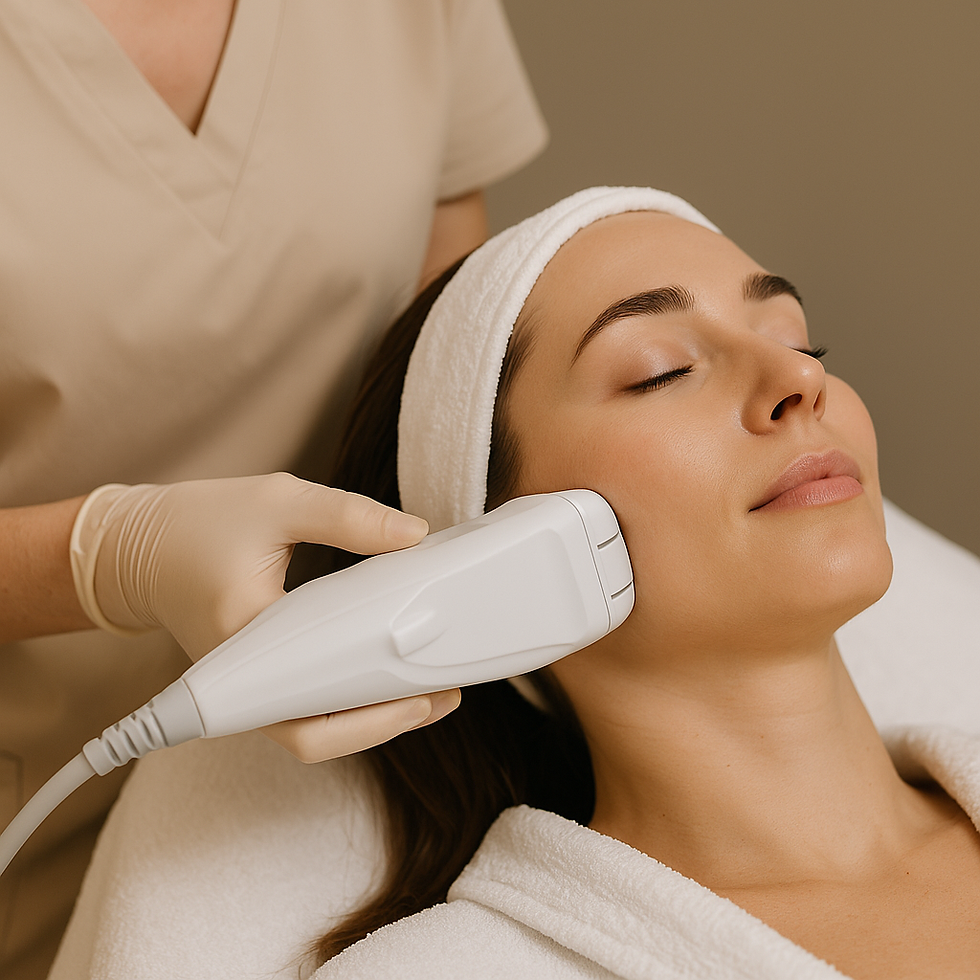
Professional laser treatments are designed to target pigment precisely, without damaging surrounding skin.
At Sycamore Medi Spa, pigmentation removal laser treatments work by:
Delivering controlled energy into pigmented areas
Breaking down excess melanin into smaller particles
Allowing the body’s natural processes to gradually clear pigment
Unlike harsh treatments of the past, modern laser systems are adjustable and tailored — meaning your skin type, pigment depth, and sensitivity all matter.
👉 You can learn more about Sycamore’s approach to laser pigmentation removal here.
Why One Laser Session Is Rarely Enough
Pigmentation doesn’t form overnight — and it doesn’t disappear overnight either.
Most people require a series of treatments, spaced carefully to:
Treat pigment at different depths
Allow the skin time to heal
Prevent inflammation‑induced rebound pigment
This gradual approach delivers better, longer‑lasting results than aggressive one‑off treatments.
Laser Alone Isn’t Always the Full Solution
While laser is a powerful tool, pigmentation is rarely solved by a single modality. Skin that repeatedly produces pigment usually needs support, not just correction.
Think of laser as removing the visible problem — and complementary treatments as changing the environment that allowed that problem to develop.
This is where a layered treatment approach becomes so effective.
For many clients, the best results come from combining laser with complementary treatments.
Microneedling for Pigmentation and Texture
Microneedling in Canberra is often used alongside laser to:
Strengthen the skin barrier
Improve texture and acne scarring
Enhance overall skin resilience
By encouraging collagen renewal, microneedling helps create an environment where pigment is less likely to return.
Explore advanced skin treatments here.
Ultherapy for Long‑Term Skin Support
While Ultherapy in Canberra is best known for face lifting and tightening, it also plays a role in pigmentation management.
Stronger, healthier skin structures:
Heal more efficiently
Respond better to laser treatments
Maintain clearer tone over time
Ultherapy supports the foundation beneath the skin — which is essential for maintaining results.
Learn more about Ultherapy PRIME here.
Why Pigmentation Treatment Must Be Personalised
No two pigmentation cases are identical.
Factors your clinician considers include:
Skin type and sensitivity
Pigment depth and pattern
History of inflammation or acne
Lifestyle and sun exposure
This is why professional assessment matters — and why copy‑paste treatments often fail.
Preventing Pigmentation From Returning
Long-term results don’t come from treatment alone — they come from understanding how pigmentation is triggered and learning how to protect your skin daily.
Independent Australian health authorities consistently highlight UV exposure as the primary external trigger for pigmentation recurrence, even outside peak summer months. According to the Cancer Council Australia, UV radiation can remain high even on cool or cloudy days, which explains why pigmentation often worsens without obvious sunburn.
You can read more about how UV affects skin and pigmentation here.
Another important factor is correctly identifying what type of pigmentation you have. The Australasian College of Dermatologists explains that conditions like melasma, post-inflammatory hyperpigmentation, and sunspots behave differently and therefore require different treatment strategies.
For a medically grounded overview of pigmentation types, see.
With this knowledge in mind, effective pigment prevention includes:
Daily use of broad-spectrum SPF (even on cloudy days)
Reapplication when outdoors or driving
Using barrier-repair skincare rather than harsh actives
Managing inflammation from acne, over-exfoliation, or sensitivity
Clients who commit to these principles typically see far more stable, predictable results from professional laser treatments.
One of the biggest misconceptions about pigmentation is that once it fades, the work is done. In reality, maintenance is what determines whether results last months or years.
Long-term pigment control focuses on keeping melanin cells calm and the skin barrier strong.
Effective pigment prevention includes:
Daily use of broad-spectrum SPF (even on cloudy days)
Reapplication when outdoors or driving
Using barrier-repair skincare rather than harsh actives
Managing inflammation from acne, over-exfoliation, or sensitivity
Clients who commit to maintenance typically see far more stable, predictable results from their laser treatments.
Long‑term results depend on maintenance and education.
Effective pigment prevention includes:
Consistent broad‑spectrum SPF use
Gentle, barrier‑supporting skincare
Avoiding aggressive exfoliation
Ongoing professional guidance
Pigmentation management is a journey, not a one‑time fix.
Why Choose Sycamore Medi Spa in Canberra?
Sycamore Medi Spa has been helping Canberra clients achieve clearer, healthier skin since 2015.
What sets Sycamore apart:
Advanced laser and ultrasound technologies
Individualised treatment planning
A calm, clinical‑yet‑nurturing environment
Focus on long‑term skin health, not quick fixes
Final Thoughts: Clearer Skin Is Possible — With the Right Strategy
If your pigmentation keeps coming back, it’s not because treatments don’t work — it’s because the right combinationhasn’t been applied yet.
With personalised laser treatments, supportive skin therapies, and expert guidance, long‑term improvement is absolutely achievable.
If you’re ready to understand your skin — and treat pigmentation properly — professional guidance makes all the difference.
✨ Clearer, calmer, more confident skin starts with the right plan.


Comments