IPL vs DPL Canberra: Which Skin Rejuvenation Treatment Is Right for You?
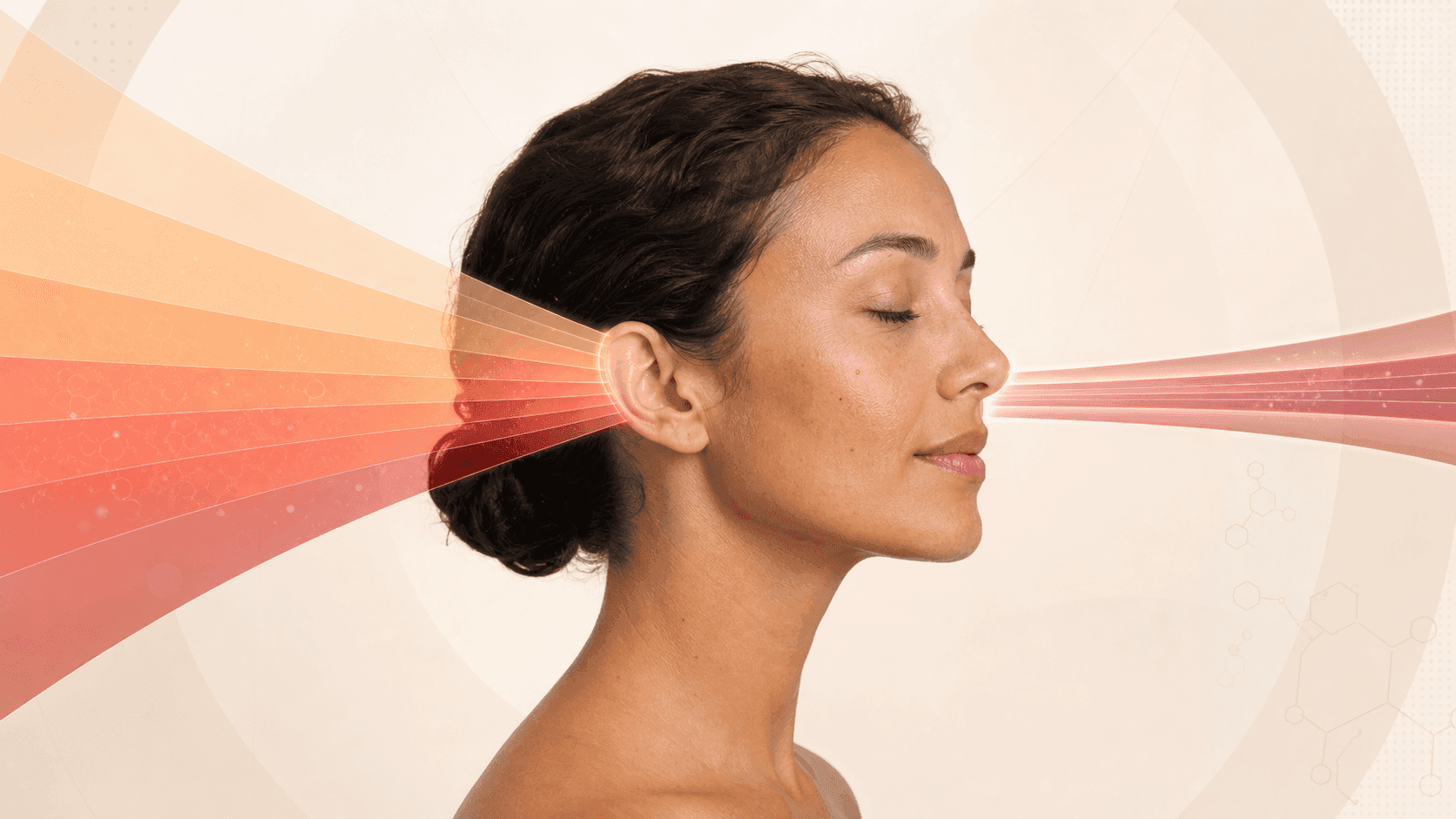
If pigmentation, redness and uneven skin tone are all appearing at the same time, choosing a treatment can become surprisingly confusing. Search for skin rejuvenation in Canberra and you will quickly encounter IPL, DPL, laser toning, microneedling and a growing list of technologies that seem to promise variations of the same thing: clearer, brighter and more even-looking skin. Two names that can be particularly difficult to separate are IPL and DPL. They both use light-based technology, both can sit within a broader skin rejuvenation plan, and at first glance the difference may sound like little more than another acronym.
At Sycamore Medi Spa, however, they are offered as distinct professional treatments. Sycamore's IPL for Skin Rejuvenation uses Venus Versa™ IPL technology, while Dynamic Pulsed Light (DPL) sits within the clinic's Harmony XL PRO treatment platform. Sycamore's wider Advanced Skin Treatment collection lists both alongside other options including Meso Microneedling, ClearLift, laser toning and China Doll Carbon Laser, which already tells us something important: choosing a treatment isn't simply about finding the newest technology. It is about identifying what you're actually trying to change.
First, IPL and DPL Are Not Just Two Names for Exactly the Same Treatment
IPL stands for Intense Pulsed Light. Unlike a conventional laser, which typically works with a more specific wavelength, IPL uses broad-spectrum, non-coherent light that can be filtered according to the target being treated. This versatility is one reason IPL has been investigated for a wide range of pigmentary and vascular concerns. A systematic review published in *Dermatologic Surgery* found evidence supporting IPL across conditions including melasma, acne, telangiectasia, lentiginous pigmentation and rosacea, although the strength of evidence varied considerably between indications. Another systematic review focusing specifically on skin rejuvenation analysed 16 studies involving 637 participants and reported improvements across concerns including telangiectasia, erythema, lentigines, hyperpigmentation, texture and photoageing, while also noting inconsistent treatment parameters and generally limited methodological quality.
At Sycamore, the IPL for Skin Rejuvenation treatment is delivered through the Venus Versa™ platform. The clinic describes its photofacial technology as targeting common signs of premature ageing including sun spots, discolouration and visible veins, with real-time cooling and relatively quick sessions of around 15–20 minutes. Sycamore has already written a detailed introduction to this treatment in Sun Damage, Redness & Uneven Skin? Why More People Are Choosing IPL Treatment, so rather than repeating another “What is IPL?” guide here, the more useful question is what happens when IPL is placed beside DPL.
DPL stands for Dynamic Pulsed Light, and Sycamore offers it through the Harmony XL PRO platform. The clinic describes Harmony XL PRO as a multi-application aesthetic platform designed to accommodate a broad spectrum of technologies and treatment methods, allowing treatment to be approached in a more personalised way. Rather than assuming that DPL is simply “better IPL” because the name sounds newer, it makes more sense to view these as different light-based options whose suitability depends on the target, treatment platform, settings and individual skin assessment.
The Better Question Isn't “Which Technology Is Stronger?”
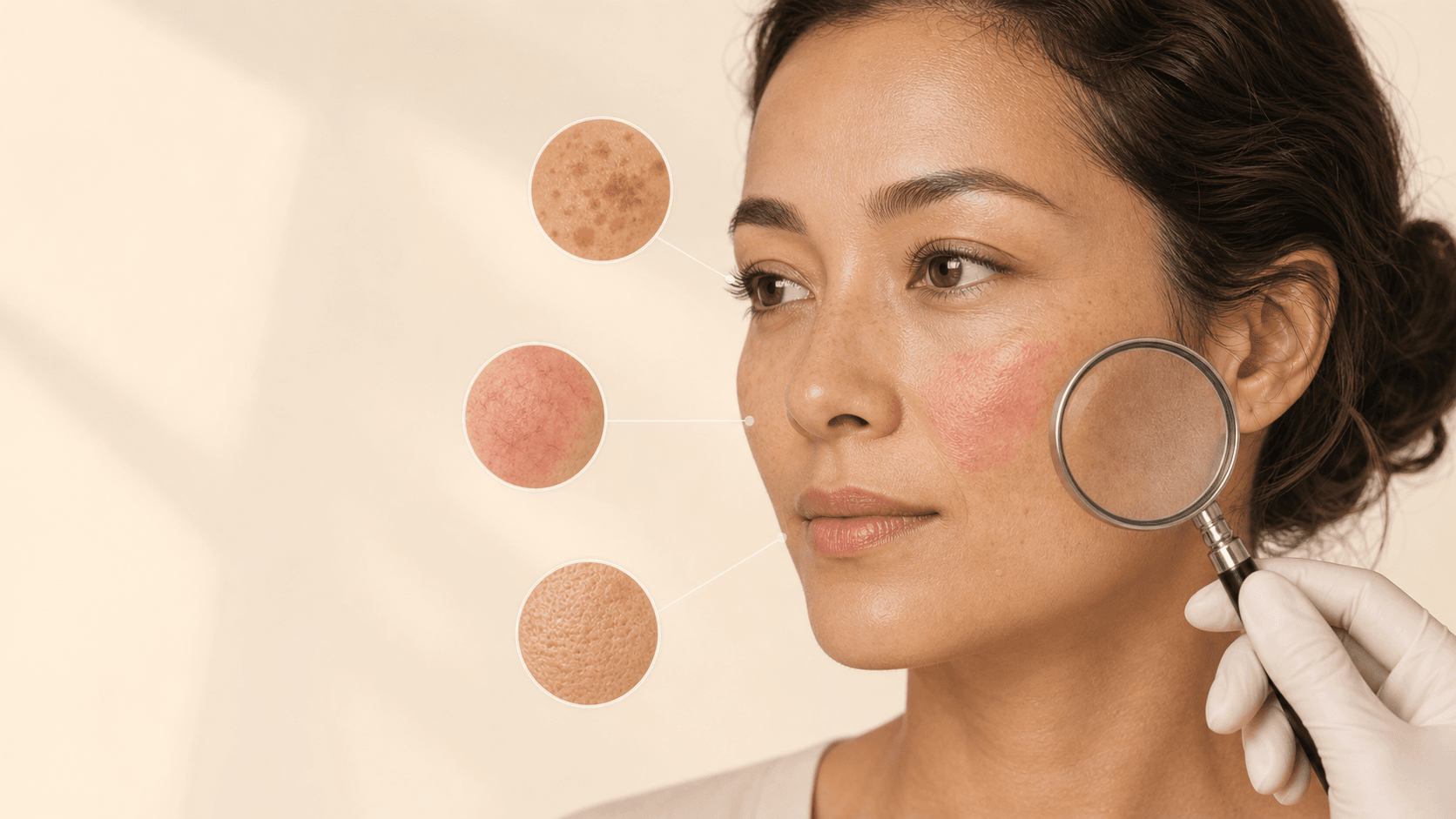
This is where cosmetic-treatment comparisons often go wrong. People naturally want a winner. Which machine is stronger? Which one gives faster results? Which one is newer? Which one is “medical grade”? Those questions sound useful but can distract from the reason you wanted treatment in the first place. Someone with scattered sun spots across the cheeks isn't necessarily trying to solve the same problem as someone whose biggest concern is persistent facial redness. A client with several concerns across the whole face may also need a different strategy from someone with one clearly defined target.
The scientific literature on IPL reinforces this point. The 2022 systematic review of IPL skin rejuvenation found positive results across several concerns but also noted considerable differences in protocols, devices and study quality . An earlier paper comparing IPL with laser approaches to facial telangiectasias and dyspigmentation likewise emphasised how filtered broadband light can be adapted according to different vascular and pigmentary targets . In other words, the treatment label by itself doesn't tell the whole story. Device selection, wavelength filtering, treatment parameters, skin type and the target being treated all matter.
This is also why Sycamore doesn't present skin rejuvenation as a single machine. Its existing Skin Rejuvenation Canberra Explained guide (https://www.sycamoremedispa.com.au/blog/skin-rejuvenation-canberra-explained) discusses light-based rejuvenation alongside microneedling and other professional options, while the clinic's Advanced Skin Treatment page includes IPL, DPL, Meso Microneedling, Meso Therapy, LDM, ClearLift and laser toning within the same broader category. The practical message is simple: start with the skin concern, not the acronym.
If Pigmentation Is Your Main Concern, Look at the Pigment Before the Machine
Pigmentation is one of the biggest reasons people start researching IPL or DPL, but “pigmentation” itself is an umbrella term rather than a diagnosis. Freckles, solar lentigines, post-inflammatory hyperpigmentation and melasma may all look like darker patches in the mirror, yet they don't necessarily behave in the same way or respond identically to treatment.
This matters particularly in Australia, where UV exposure remains an important contributor to visible skin changes. Sycamore's existing article Why Dark Spots Keep Coming Back — And How Pigmentation Removal Laser in Canberra May Help makes the useful point that recurring pigmentation isn't always a single problem with a single cause. If pigment is your primary concern, that article and Sycamore's broader Advanced Skin Treatment options are worth exploring before deciding that IPL or DPL must automatically be the answer.
The evidence around IPL is encouraging but also illustrates why assessment matters. The systematic review of dermatologic IPL applications found different levels of evidence depending on the pigmentary or vascular condition being treated, while the broader skin-rejuvenation review reported improvement in lentigines and hyperpigmentation but also called for better-quality trials and greater standardisation. So if your Google search started with “best treatment for pigmentation Canberra”, the next step shouldn't necessarily be choosing between two machines. It should be understanding what kind of pigmentation you actually have.
If Redness Is the Problem, the Conversation Changes Again
Redness is another reason IPL has become popular. Visible vessels, telangiectasia and diffuse facial redness involve vascular targets rather than exactly the same target as brown pigmentation. This ability to work across both pigmentary and vascular concerns is one of the reasons broad-spectrum light technologies became useful in photorejuvenation in the first place. A review comparing IPL and laser treatment of facial telangiectasias and dyspigmentation found that IPL and selected laser wavelengths could all reduce vascular ectasias and hyperpigmented macules, illustrating how different light technologies can reach similar clinical goals through different optical approaches.
Real-world experiences also show why expectations need to stay grounded. In a discussion within Reddit's 30PlusSkinCare community, one user reported a noticeable improvement in brown spots after IPL but much less improvement in redness, while other participants described different experiences altogether. Another more recent discussion included a user who felt their redness remained despite several treatments, while others reported more visible changes after time . Reddit isn't clinical evidence, but these conversations are valuable for one reason: they show how dramatically individual experiences can vary, which is exactly why a clinic consultation matters more than someone else's before-and-after photo.
IPL Has More Published Research—but That Doesn't Automatically Make the Decision for You
One clear difference when researching IPL vs DPL online is the amount of published literature you'll encounter. IPL has been used in aesthetic and dermatologic practice for decades, so there is a substantial research history behind the broader technology. One long-term study followed IPL-treated photoaged skin and evaluated changes in telangiectasia, pigmentation and texture years after treatment , while systematic reviews have since attempted to consolidate the much larger evidence base.
That evidence is useful, but it shouldn't be converted into the claim that “IPL is scientifically proven and therefore DPL is worse”. Device-specific treatment depends on far more than the age of a technology. Sycamore's DPL treatment is delivered through Harmony XL PRO, while its IPL treatment uses Venus Versa™. These are not simply two buttons on the same machine, and Sycamore lists them separately within its Advanced Skin Treatment range. A responsible comparison therefore needs to acknowledge where the evidence is stronger without inventing claims about one clinic device outperforming another.
Canberra Adds Another Variable: UV Exposure
The treatment decision also doesn't happen in isolation from your environment. Light-based treatments and sun exposure have an important relationship, particularly when pigment is involved. The Australian Radiation Protection and Nuclear Safety Agency (ARPANSA) warns that cosmetic laser and IPL procedures carry potential risks including burns, blistering, scarring and changes in pigmentation, and specifically identifies inappropriate device settings, skin type, medications and recent sun exposure among factors that can contribute to injury.
Sycamore's own IPL pre- and post-care guidance reflects this. The clinic advises avoiding tanning, prolonged sun exposure and sunburn for at least four weeks before IPL, as well as disclosing photosensitising medications and pausing certain irritating skincare actives before treatment. After treatment, Sycamore recommends avoiding direct sun exposure and using broad-spectrum sunscreen daily for at least four weeks. This is one of those areas where a government safety source and the clinic's own treatment protocol point in the same direction: your recent sun history matters when planning light-based treatment.

What Does IPL Actually Feel Like—and Should That Affect Your Choice?
Comfort is difficult to compare from a specification sheet because everyone experiences light-based treatments differently. Sycamore's Venus Versa™ IPL page highlights a real-time cooling system and describes treatment sessions as relatively quick, generally around 15–20 minutes. But individual sensation can still vary depending on the treatment area, settings, target and personal sensitivity.
This is one area where community experiences are useful when they are treated as anecdotes rather than evidence. Reddit discussions contain descriptions ranging from mild warmth to the familiar “rubber-band snap” sensation, with some users reporting temporary redness and others reporting almost no visible reaction after treatment. A 2026 discussion even began because a user was worried their IPL treatment had been *too comfortable* and therefore ineffective, prompting a conversation about treatment intensity and expectations. These conversations illustrate an important point: pain isn't a reliable measure of whether a treatment is working, and chasing higher settings simply because another person's treatment felt stronger is not a sensible treatment strategy.
Don't Choose IPL or DPL From an Instagram Before-and-After Alone
Before-and-after images are useful because they make an abstract treatment easier to understand, and Sycamore shares treatment information and clinic updates through its own social channels as well as its website. You can explore Sycamore Medi Spa's Instagram alongside the clinic's Blog and Treatments directory when researching what the clinic offers. But a photograph should start a conversation, not finish one.
The reason is simple: lighting, camera settings, baseline skin condition, treatment settings, number of sessions and time since treatment can all change what you see in a photograph. Even genuine patient experiences can be dramatically different. One Reddit user described being delighted with the improvement in sun damage after a first IPL photofacial, while another recent user posted that two weeks after a first treatment they could barely see a difference despite initially noticing pigment darkening. Neither person's experience predicts yours.
So, IPL or DPL? Start With These Four Questions
Rather than building a huge comparison table, there are four questions worth taking into your consultation: What is the concern I'm actually treating? Is the main target pigment, redness, general photoageing or a combination? Is my current skin condition and recent sun exposure suitable for light-based treatment? Why is this particular device being recommended for me rather than another option? Those questions are far more valuable than asking which treatment is “stronger”.
If your concerns are broad sun damage, visible discolouration or veins, Sycamore's IPL for Skin Rejuvenation is specifically positioned around those concerns through Venus Versa™ technology. If your assessment points towards the Harmony XL PRO pathway, Sycamore's DPL treatment gives you another light-based option within the clinic's advanced treatment offering. And if neither is the best match, Sycamore's Advanced Skin Treatment collection also includes Meso Microneedling, LDM, ClearLift, China Doll Carbon Laser and laser toning.
What Happens After an IPL or DPL Appointment?
Choosing between IPL and DPL is only one part of the treatment journey. What happens in the days after an appointment can be just as important, especially for clients treating visible pigmentation. One thing that can surprise first-time IPL clients is that some pigmented areas may temporarily appear darker before they begin to fade. Sycamore's IPL for Skin Rejuvenation explains what clients may expect before and after treatment, including temporary redness and changes in the appearance of treated pigmentation.
This is also why judging a light-based treatment immediately after one appointment can be misleading. Skin needs time to respond, and the treatment journey will vary depending on what is being targeted and the individual treatment plan. Instead of comparing your skin with a dramatic before-and-after photo online, it is more useful to follow the expected timeline discussed during your consultation and pay attention to how your own skin responds.
Your Treatment Doesn't End When You Leave the Clinic
The less glamorous side of skin rejuvenation is aftercare, but it matters. Sycamore's IPL treatment guidance recommends avoiding direct sun exposure after treatment and using broad-spectrum sunscreen as part of post-treatment care. For Canberra clients, this shouldn't be treated as something that only matters during summer.
Cancer Council Australia recommends sun protection when the UV Index is 3 or above and emphasises that sunscreen works best as part of a broader combination of sun-protection measures. If pigmentation is one of the reasons you're investing in professional skin treatment, protecting your skin between appointments makes practical sense. Otherwise, there is an obvious contradiction between trying to improve visible sun-related changes in the clinic while continuing to expose the skin unnecessarily outside it.
This is especially relevant when you're planning a course of treatments rather than a single appointment. Think about upcoming holidays, outdoor events and periods when you know you'll be spending more time in the sun. Treatment timing can be part of the strategy rather than an afterthought.
What If “Uneven Skin” Isn't Actually a Colour Problem?
This is where an IPL vs DPL comparison can lead somewhere unexpected. A client may arrive saying, “I want to fix my uneven skin,” but unevenness can mean very different things. For one person it means scattered brown spots; for another it means redness around the nose and cheeks. Someone else may actually be talking about acne scars, enlarged pores or rough texture rather than colour at all.
If texture is what bothers you most, comparing two light-based treatments may not answer the real question. Sycamore also offers Meso Microneedling within its wider Advanced Skin Treatment range , alongside ClearLift, laser toning and other professional technologies. The clinic has previously explored this topic in Microneedling Canberra: The Science Behind Radiant, Rejuvenated Skin, which is more relevant if the concern you're describing as “uneven” is primarily textural.
This is an important distinction because cosmetic treatment names can encourage people to shop for technologies instead of identifying problems. Sometimes the most useful outcome of an IPL vs DPL consultation is discovering that neither is actually the best starting point.
One Treatment Can’t Solve Every Layer of Skin Ageing
Another common reason people research IPL or DPL is simply that their skin “looks older”. But visible ageing isn't one single process. Brown spots, redness, rough texture and loss of firmness can appear together, yet they don't necessarily come from the same biological process or require the same treatment approach.
Light-based skin rejuvenation may make sense when visible colour changes are part of the concern, but it shouldn't automatically be expected to perform the same job as a treatment designed around skin texture or deeper structural laxity. This is why Sycamore's full Treatment collection includes multiple technologies rather than one universal “anti-ageing” machine.
Sycamore's existing Skin Rejuvenation Canberra Explained article is useful if you're still at the stage of working out which treatment category matches your concern. Instead of asking “What's the strongest anti-ageing treatment?”, a better consultation question is often “Which part of what I'm seeing are we actually trying to improve?”
Should You Trust IPL and DPL Before-and-After Photos?
Before-and-after images are useful, but they are best treated as examples rather than predictions. Lighting, camera exposure, makeup, treatment settings, number of sessions and the amount of time between photographs can all influence what you see. Even when the images are completely genuine, the person in the photograph may have a very different skin type and treatment goal from yours.
Patient communities can add another perspective. Discussions about IPL experiences on Reddit include everything from clients delighted with fading sun spots to people who felt their first treatment made very little visible difference. These anecdotes aren't scientific evidence, but that's precisely why they're useful in a different way: they remind us that real treatment experiences vary. A before-and-after image can show what happened to one person; it can't tell you what will happen to you.
The Best Consultation Question Isn't “Which One Is Better?”
By this point, the more useful difference between IPL and DPL should be clear: choosing between them shouldn't be treated like comparing two phones and selecting the one with the better specification sheet. Skin treatment is more individual than that.
Instead of walking into a consultation asking only, “Is IPL or DPL better?”, bring the concern itself into the conversation. Explain what bothers you when you look in the mirror, how long it has been there, whether it changes with sun exposure and what kind of result would actually make the treatment worthwhile for you. If you have previously had IPL, laser, chemical peels or other professional treatments, that history is relevant too.
Sycamore offers IPL for Skin Rejuvenation and Dynamic Pulsed Light (DPL) as separate options within its advanced treatment offering. The value of having both isn't that clients need to decide which acronym sounds more impressive before they arrive. It gives the clinic more than one pathway when assessing different skin concerns.
Sometimes the Answer Is Neither IPL nor DPL
This may sound like a strange conclusion for an article targeting “IPL vs DPL Canberra”, but it's probably the most useful one. If a consultation reveals that your biggest concern is primarily textural, another treatment may make more sense. If the concern involves deeper skin laxity, you may need to explore an entirely different treatment category. And if you're unsure what the pigmentation on your face actually is, identifying it appropriately should come before trying to remove it.
Sycamore's Advanced Skin Treatment collection includes IPL and DPL alongside treatments such as Meso Microneedling, ClearLift and laser toning, while the broader Treatments page covers additional facial and rejuvenation options. That wider range matters because personalised treatment shouldn't begin with “How do we sell this client IPL?” It should begin with “What is this client actually trying to improve?”
For pigmentation specifically, you can also continue with Sycamore's previous article Why Dark Spots Keep Coming Back — And How Pigmentation Removal Laser in Canberra May Help, which explores why recurring dark spots can be more complicated than simply treating visible pigment.
IPL vs DPL Canberra: Making the Final Choice
So, should you choose IPL or DPL? If you've read both parts of this guide, you'll notice we haven't crowned a winner—and that's deliberate. The right treatment depends on what you're trying to improve, your skin characteristics, treatment history, recent sun exposure and the professional assessment made before treatment.
Sycamore's IPL for Skin Rejuvenation provides one established light-based pathway for concerns including sun spots, discolouration and visible veins, while Dynamic Pulsed Light (DPL) provides another option through the Harmony XL PRO platform. If neither matches the concern identified during consultation, Sycamore's broader Advanced Skin Treatment range provides other directions to explore.
The smartest way to approach IPL vs DPL in Canberra isn't to arrive having already chosen your machine. Arrive knowing what bothers you, what result you're hoping for and what questions you want answered. Let the technology come second.
Because when it comes to skin rejuvenation, the best treatment isn't the one that wins the comparison. It's the one that makes sense for your skin.