The Korean Facial Approach to Glowing Skin: What Makes It So Effective?

There is a reason people keep talking about the “Korean glow”. It is not just about shiny skin, heavy highlighter, or a quick facial that makes you look fresh for one afternoon. The Korean facial approach is built around a different idea: healthy-looking skin comes from balance, hydration, gentle renewal, and consistency.
For many clients, that is exactly what makes a Korean facial so appealing. It does not have to feel aggressive to be effective. Instead of chasing dramatic overnight change, the treatment focuses on supporting the skin so it can look clearer, smoother, softer, and more naturally radiant over time.
At Sycamore Medi Spa, this type of treatment fits well with clients who want visible skin freshness without jumping straight into stronger corrective procedures. The Korean Style Facial Treatment is described as a multi-step facial inspired by Korean skincare traditions, with cleansing, exfoliation, nourishment, botanical ingredients, and a “glass skin” style finish.
So what actually makes a Korean facial effective? Let’s break it down in a realistic way.
It Starts with the Skin Barrier, Not Just the Surface Glow
A lot of people think glowing skin is only about removing dead skin cells or applying brightening products. That can be part of it, but it is not the whole story.
Your skin barrier plays a major role in how your skin looks and feels. When the barrier is in good condition, the skin tends to hold moisture better, feel calmer, and look smoother. When it is stressed, skin can appear dull, tight, flaky, oily in some areas, irritated, or more reactive than usual.
This is why the Korean facial philosophy often feels gentler than some traditional “deep cleansing” facials. The goal is not to scrub the skin into looking fresh. It is to work with the skin so that hydration, texture, and comfort improve together.
A review from the NCBI Bookshelf on moisturisers and skin barrier function explains that the stratum corneum, the outermost layer of the skin, plays an important role in water balance and normal skin function. Healthy skin needs this outer layer to retain enough water while protecting against external stressors.
That is one of the reasons a Korean facial often places so much focus on hydration, calming steps, and layered nourishment. The glow is not just “added” to the skin. It comes from helping the skin look more comfortable, plump, and balanced.
Gentle Exfoliation Makes the Skin Look Fresher Without Overdoing It
Exfoliation is one of the most misunderstood parts of skincare. Done well, it can make the skin look brighter and smoother. Done too often or too harshly, it can leave the skin feeling irritated, dry, or even more uneven.
A Korean facial usually takes a more measured approach. The exfoliation step is there to help lift away surface build-up, but it should not leave the skin feeling stripped. This matters because dead skin build-up can make the face look flat and tired, but over-exfoliation can damage the very barrier you are trying to improve.
This balance is especially important for people who already use active skincare at home, such as retinoids, acids, acne products, or brightening serums. If your home routine is already strong, adding an aggressive facial on top can sometimes be too much. A more skin-supportive Korean facial can be a better option when the goal is glow, comfort, and maintenance rather than heavy resurfacing.
Academic reviews on alpha-hydroxy acids have discussed their use in exfoliation and skin rejuvenation, especially in cosmetic formulations and peels. The key point is that exfoliation should be selected carefully based on the skin condition, strength of the product, and desired result. The 2024 review on AHAs in dermatology is a useful reference for readers who want to understand the science behind exfoliating acids.
In a professional setting, this is where consultation matters. Not everyone needs the same level of exfoliation. Dry, sensitive, acne-prone, mature, and pigmentation-prone skin all need slightly different handling.
Hydration Is More Than “Moisturising”
Hydration is one of the main reasons Korean facials are so popular. But in professional skincare, hydration does not simply mean putting a rich cream on the face.
Dehydrated skin can happen even when the skin is oily. It can show up as tightness, rough texture, dullness, fine surface lines, patchy makeup, or a lack of bounce. Many people also notice that their skin looks “tired” even when they are sleeping enough. Sometimes the issue is not fatigue. It is poor water balance in the skin.
A Korean facial usually supports hydration through several layers. There may be cleansing, exfoliation, essence-style steps, masks, massage, infusion-style methods, or finishing products that help the skin feel replenished. The exact process depends on the clinic and treatment design, but the principle is similar: restore comfort and create a healthier-looking surface.
This is also why treatments such as WishPro Magnetic Infusion Facial can sit naturally alongside the Korean facial conversation. Sycamore describes WishPro as a personalised treatment designed to hydrate, refresh dull-looking skin, and reveal a smoother, more radiant glow.
For clients who are mainly concerned with dryness or dullness, Sycamore’s blog Which Facial Is Best for Dry Skin? A Canberra Guide is also a useful related read. It discusses how dry or dehydrated skin may benefit from treatments focused on comfort, radiance, and skin quality.
Why “Glass Skin” Is Really About Texture, Light and Balance
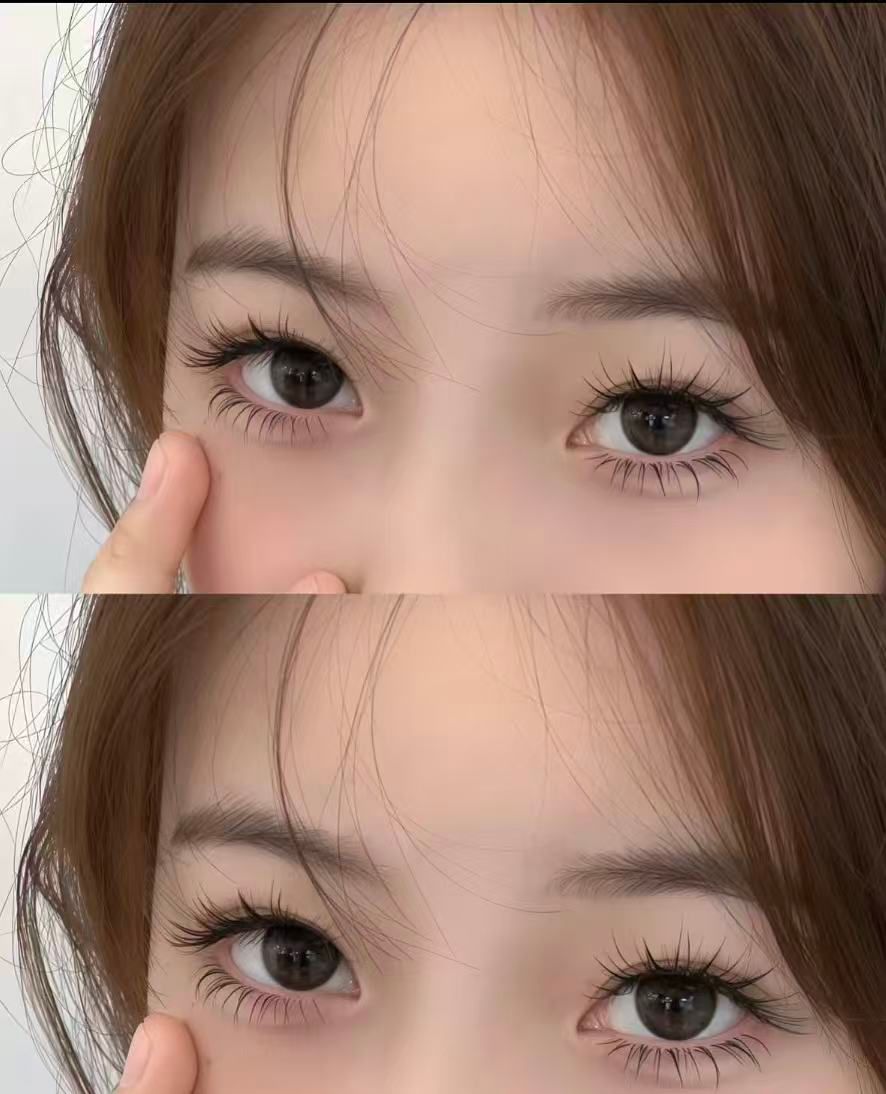
The term “glass skin” can sound like a trend, but the idea behind it is quite practical. Skin looks more radiant when the surface is smooth enough to reflect light evenly, hydrated enough to look plump, and calm enough that redness or roughness is not dominating the complexion.
That does not mean every person should expect poreless, filtered-looking skin. Real skin has pores, lines, texture, and natural variation. A good Korean facial should not promise to erase normal skin. Instead, it should help the skin look clearer, softer, and more refined.
Several things contribute to this effect:
- smoother skin texture after gentle exfoliation
- better surface hydration
- reduced look of dryness and roughness
- a calmer, more even-looking complexion
- a fresh finish that makes the skin look less tired
This is why Korean facial treatments can be appealing before events, photos, weddings, work functions, or travel. They can also work as regular maintenance for people who do not want their skincare routine to rely only on stronger procedures.
It Works Well as a Maintenance Treatment
Not every skincare appointment needs to be intense. In fact, one of the smartest ways to care for skin is to separate “maintenance” treatments from “corrective” treatments.
Corrective treatments may target acne scarring, pigmentation, laxity, or deeper texture concerns. These may involve laser, microneedling, peels, or more advanced protocols. Maintenance treatments, on the other hand, help keep the skin feeling balanced between bigger treatment plans.
A Korean facial can be a strong maintenance option because it supports the skin without necessarily requiring downtime. That can make it suitable for people who want to look refreshed but still need to go back to work, study, errands, or social plans.
This is also why skin goals should be looked at as a whole. A Korean facial may support hydration and glow, while other skin rejuvenation treatments may be more suitable when the concern is pigmentation, ageing, texture or longer-term skin quality.
The best results often come when Korean facial treatments are not treated as a one-off miracle, but as part of a sensible rhythm. That rhythm might include professional facials, daily sunscreen, barrier-supportive skincare, and avoiding the habit of constantly switching products.
The Role of Massage, Circulation and the Treatment Experience
Another reason people enjoy Korean facial treatments is the experience itself. Many Korean-style facials include massage or manual techniques designed to help the skin look more awake and relaxed. While massage is not the same as a medical lifting treatment, it can temporarily improve the look of puffiness and help the face appear fresher.
There is also a practical benefit: when a treatment feels calming, people are more likely to continue looking after their skin. Stress, poor sleep, irregular routines, and harsh product habits often show up on the skin. A facial that encourages a gentler, more consistent relationship with skincare can be more useful than people realise.
That said, it is important to keep expectations realistic. A Korean facial can support glow, hydration, softness, and freshness. It is not designed to replace treatments for significant acne scarring, deep pigmentation, volume loss, or advanced skin laxity.
For stronger concerns, a clinic may suggest a different plan or combine facial treatments with other options over time.
How It Compares with a Regular Facial
A regular facial can mean many different things. Some are focused on extractions. Some are relaxing spa facials. Some are medical-grade treatments with active ingredients. A Korean facial is usually different because it tends to focus more strongly on layered hydration, gentle renewal, glow, and skin balance.
The difference is not always about one being “better”. It is about the goal.
A Korean facial may suit you if you want:
- a fresh, hydrated, radiant finish
- a gentler treatment experience
- support for dull or tired-looking skin
- a facial before an event
- regular skin maintenance without major downtime
A more corrective treatment may be better if your main concern is deep acne scarring, stubborn pigmentation, severe congestion, or advanced signs of ageing. In that case, a professional consultation can help you avoid choosing a treatment based only on what is trending online.
Sycamore also offers treatments such as Luxury Facial Care Treatment, which is described as a premium Fillmed Skin Perfusion Facial Treatment designed to address dehydration, radiance, wrinkles, firmness, and blemishes.
Why Consistency Matters More Than One Perfect Facial
One Korean facial can make the skin look fresher, especially if your skin is dry, dull, or tired. But long-term skin quality usually depends on consistency.
Think of it like fitness. One good workout can make you feel better, but it does not replace a routine. Skin works in a similar way. Professional treatments can help, but daily habits still matter.
For better results, clients usually need to pay attention to:
- gentle cleansing instead of stripping the skin
- daily sunscreen, especially in Australia
- moisturiser suited to their skin type
- avoiding too many active products at once
- booking treatments at a rhythm that suits their skin
Ceramides are often discussed in barrier-focused skincare because they are part of the skin’s natural lipid structure. A clinical review on water retention and barrier function found that external ceramide-containing preparations can improve dry skin and barrier function in patients with atopic dermatitis, which supports the broader idea that barrier care is central to healthy-looking skin.
Of course, not every person needs the same ingredients or the same facial schedule. Oily skin, acne-prone skin, sensitive skin, and mature skin all respond differently. That is why a personalised approach matters.
Who Is a Korean Facial Best For?
A Korean facial can be a good option for many people, especially those who want their skin to look healthier without taking a very aggressive route.
It may be suitable for people who:
- feel their skin looks dull, tired, or dry
- want a smoother makeup finish
- prefer gentle, layered skincare
- are new to professional facials
- want a glow before an event
- need maintenance between advanced treatments
- want hydration and radiance without major downtime
However, it may not be the only answer if you have active inflammatory acne, deep scarring, melasma, severe sensitivity, or a medical skin condition. In those cases, it is better to have your skin assessed first.
A good clinic should be honest about this. Sometimes the right answer is a Korean facial. Sometimes it is acne treatment, pigmentation management, microneedling, laser, or simply repairing the skin barrier before doing anything active.
What to Expect After a Korean Facial
After a Korean facial, most people expect their skin to feel softer, smoother, and more hydrated. Some may notice an immediate glow, especially if their skin was dehydrated or rough beforehand.
You may also feel that skincare and makeup sit better on the face. This is usually because the surface is smoother and the skin feels more replenished.
Aftercare is usually simple, but it still matters. Your skin may look great straight away, but you do not want to undo the treatment by overloading it.
For the next day or two, it is usually sensible to:
- keep skincare gentle
- avoid harsh scrubs or strong exfoliating acids
- use sunscreen during the day
- avoid picking or over-touching the face
- follow any specific advice given by your therapist
If your skin is sensitive, your therapist may recommend adjusting your home routine for a short period.
The Real Reason Korean Facials Feel So Effective
The effectiveness of a Korean facial is not based on one magic ingredient or one dramatic step. It is the combination that matters.
It cleanses without over-stripping.
It exfoliates without trying to punish the skin.
It hydrates in layers.
It supports the skin barrier.
It aims for radiance, but not at the cost of comfort.
That is why the result can feel different from a facial that only focuses on deep cleansing or strong actives. The Korean facial approach understands that glowing skin is not just about brightness. It is about skin that looks calm, smooth, hydrated, and alive.
For clients in Canberra who deal with dryness, UV exposure, seasonal changes, indoor heating, or dullness from busy routines, this kind of skin-supportive treatment can make a lot of sense.
FAQ: Questions Clients Often Ask About Korean Facials
1. Is a Korean facial suitable for sensitive skin?
It can be, but it depends on your skin condition and the products used. A Korean facial is often gentler than more aggressive resurfacing treatments, but sensitive skin still needs careful handling. If your skin reacts easily, tell your therapist before the treatment so they can adjust the steps.
2. Will one Korean facial give me “glass skin”?
You may notice a fresher glow after one treatment, especially if your skin is dehydrated or dull. However, “glass skin” is usually the result of consistent care, not just one appointment. Regular facials, barrier-supportive skincare, and daily sunscreen all play a role.
3. How often should I book a Korean facial?
Many people book facials every 4 to 6 weeks, but the right timing depends on your skin type, lifestyle, and goals. If you are preparing for an event, your therapist may suggest a different schedule.
4. Can a Korean facial help with acne?
A Korean facial may help the skin feel calmer and cleaner, but it is not always enough for active acne. If acne is your main concern, you may need a more targeted plan. Sycamore’s acne and skin treatment blogs can help you understand when a more corrective treatment may be needed.
5. Is there downtime after a Korean facial?
Most Korean-style facials are designed to have little to no downtime. Some people may look slightly pink straight after treatment, especially if their skin is sensitive, but this usually settles. Always follow your therapist’s aftercare advice.
6. What is the difference between a Korean facial and WishPro?
A Korean facial usually focuses on a multi-step skincare experience with cleansing, exfoliation, hydration, nourishment, and glow. WishPro is more specifically an infusion-style facial designed to refresh dull-looking skin and support hydration. The better option depends on your skin goal.
7. Can I wear makeup after a Korean facial?
It is usually better to let the skin breathe for the rest of the day if possible. If you need to wear makeup, choose light, clean products and avoid anything too heavy or irritating.
8. Who should avoid a Korean facial?
People with severe irritation, open wounds, active infections, strong sunburn, or certain medical skin conditions should wait and seek professional advice first. If you are using prescription acne or skin medications, mention this before booking.