top of page
Pink Cream

Acne, Pigmentation and Skin Lifting in Canberra

Skin concerns rarely arrive one at a time. For many people in Canberra, the story begins with acne that no longer heals as quickly as it used to, followed by pigmentation that becomes more noticeable after summer, and eventually a subtle loss of firmness around the jawline or lower face. These changes can feel unrelated at first, yet they are often connected by the same underlying processes: inflammation, sun exposure, and gradual collagen decline.


This is why searches such as acne treatment, pigmentation removal laser in Canberra, microneedling in Canberra, and Ultherapy Canberra frequently appear together. They reflect how skin evolves over time, not isolated trends. Understanding how these concerns link together makes it easier to choose treatments that work with the skin, rather than constantly reacting to new issues as they appear.


Why Skin in Canberra Behaves the Way It Does


Canberra’s environment quietly shapes how skin ages. High UV exposure stimulates pigment production even on days that do not feel particularly sunny. Dry air compromises the skin barrier, making skin more reactive and slower to heal. Over time, this combination increases sensitivity to inflammation and accelerates visible signs of ageing.


When the skin barrier weakens, it becomes more vulnerable to acne flare-ups and irritation. Each inflammatory episode leaves behind a mark, whether visible or not. As these triggers repeat, the skin starts to respond more aggressively, producing more pigment and repairing itself less efficiently. This is why pigmentation often becomes more stubborn with age, and why early signs of skin laxity can appear even before deep wrinkles form.


Acne as the Starting Point for Many Skin Issues


Adult acne is far more common than most people expect. In Canberra, it often appears during periods of stress, hormonal change, or environmental dryness. While breakouts themselves can usually be managed with appropriate acne treatment, the aftermath is where frustration often begins.


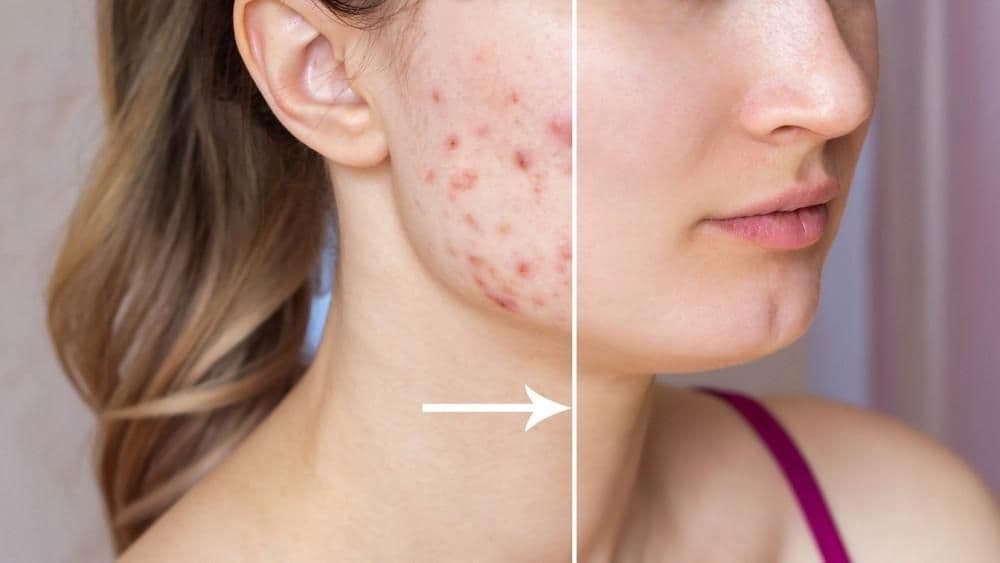
Once acne settles, many people notice lingering red or brown marks that remain long after the breakout is gone. These marks are not scars in the traditional sense. They are a form of post-inflammatory pigmentation created as the skin heals from inflammation. Even mild acne can trigger this response when the skin is already sensitised.


If acne treatment focuses only on stopping new breakouts, these marks can persist and make skin look uneven or prematurely aged. Over time, repeated cycles of inflammation and healing also affect collagen quality, subtly changing skin texture and resilience.


Pigmentation and Why It Becomes More Noticeable Over Time


Pigmentation is one of the most common skin concerns in Canberra, largely because of cumulative sun exposure. Pigment forms as a protective response, but once established, it does not always fade on its own. Some pigmentation appears as well-defined sunspots, while other forms spread more diffusely across the cheeks or forehead.


Not all pigmentation behaves the same way. Pigment triggered by inflammation, such as acne, tends to sit closer to the surface and may fade slowly with time. Pigment driven by UV exposure often becomes more fixed. Hormonal pigmentation can be more reactive, responding to heat, sunlight, and irritation.


Because of these differences, topical skincare alone is not always enough. This is where interest in pigmentation removal laser in Canberra continues to grow, particularly among people who feel they have tried everything else without lasting results.


How Pigmentation Removal Laser Supports Clearer Skin


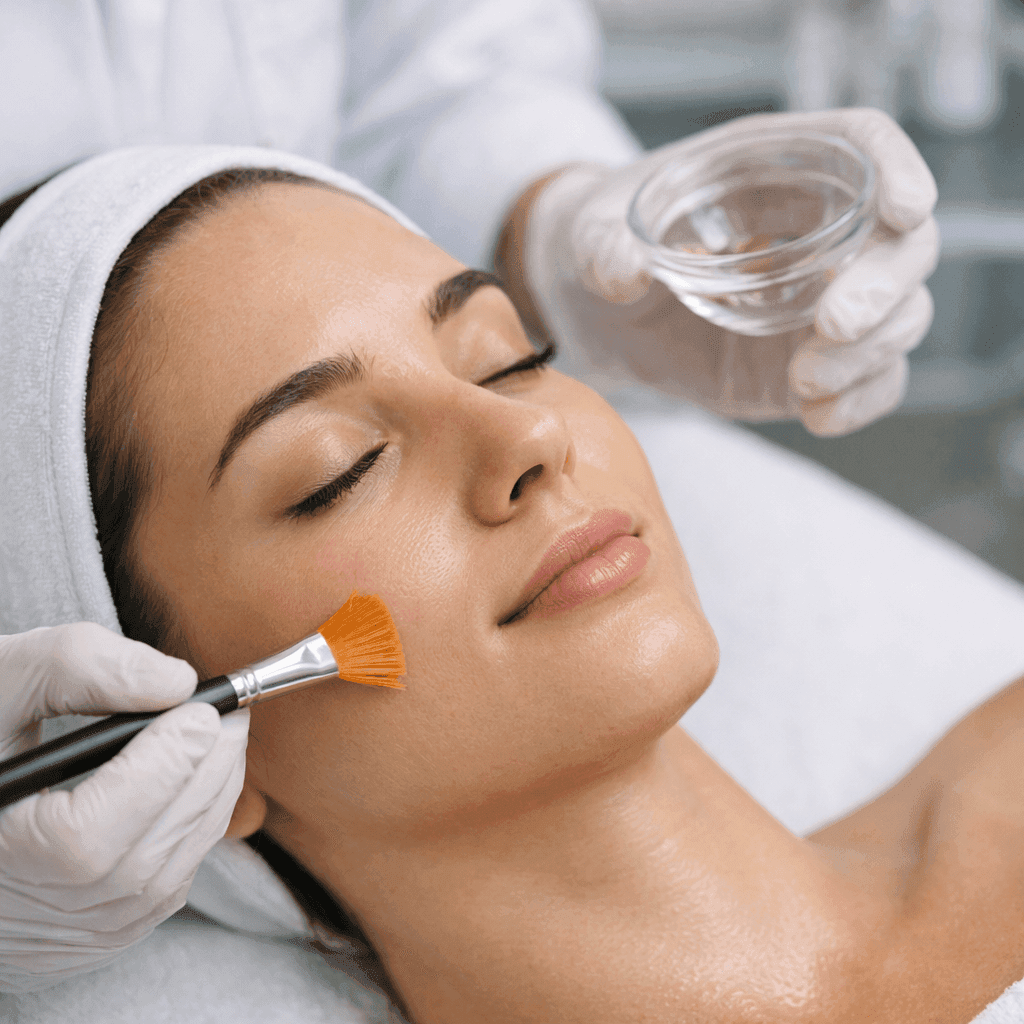
Pigmentation removal laser works by targeting excess melanin beneath the skin surface. Rather than stripping the skin, the laser delivers controlled energy that breaks pigment into smaller fragments. The body then clears these fragments gradually over time.


This process explains why results are progressive. Pigmentation may temporarily darken before it fades, and improvement often appears over weeks rather than days. The goal is not to shock the skin, but to allow it to clear pigment while remaining calm and supported.


In Canberra’s climate, managing inflammation and sun exposure after laser treatment is critical. Without proper protection, new pigment can form even as old pigment fades. This is why long-term improvement depends as much on skin behaviour as on the treatment itself.


Texture Changes That Appear After Pigment Improves


Once pigmentation begins to fade, many people notice another issue becoming more obvious: uneven texture. Pores may appear larger, skin may feel thinner, and the surface may no longer reflect light evenly. These changes are often the result of long-term inflammation and gradual collagen disruption.


This is where microneedling in Canberra often becomes part of the conversation. Microneedling does not target pigment directly. Instead, it supports the skin’s ability to repair and regenerate by stimulating collagen and elastin production.


By improving collagen structure, microneedling helps the skin become more resilient. Texture smooths, pores appear refined, and the skin regains some of its ability to bounce back. In dry climates like Canberra, this improvement in barrier strength can also reduce sensitivity and reactivity over time.


Microneedling and Post-Acne Recovery


Microneedling is particularly relevant after acne has stabilised. Acne can disrupt collagen even when scarring is subtle, leaving behind shallow irregularities that affect how skin looks under light. Microneedling encourages controlled healing, allowing collagen to reorganise more evenly.


This treatment is often most effective once active breakouts are under control. When inflammation is ongoing, the skin’s repair signals become confused. When the skin is calm, microneedling can support more consistent healing and long-term improvement in texture.


When Face Lifting and Tightening Enter the Picture


As collagen production naturally slows with age, changes in facial firmness become easier to notice. This often appears as softness along the jawline, mild sagging around the lower face, or a general loss of definition rather than deep wrinkles.


At this stage, treatments that focus only on the skin surface may no longer provide enough support. Interest in face lifting and tightening grows, particularly among people looking for non-surgical options that fit into busy lifestyles.


Ultherapy and Deeper Structural Support


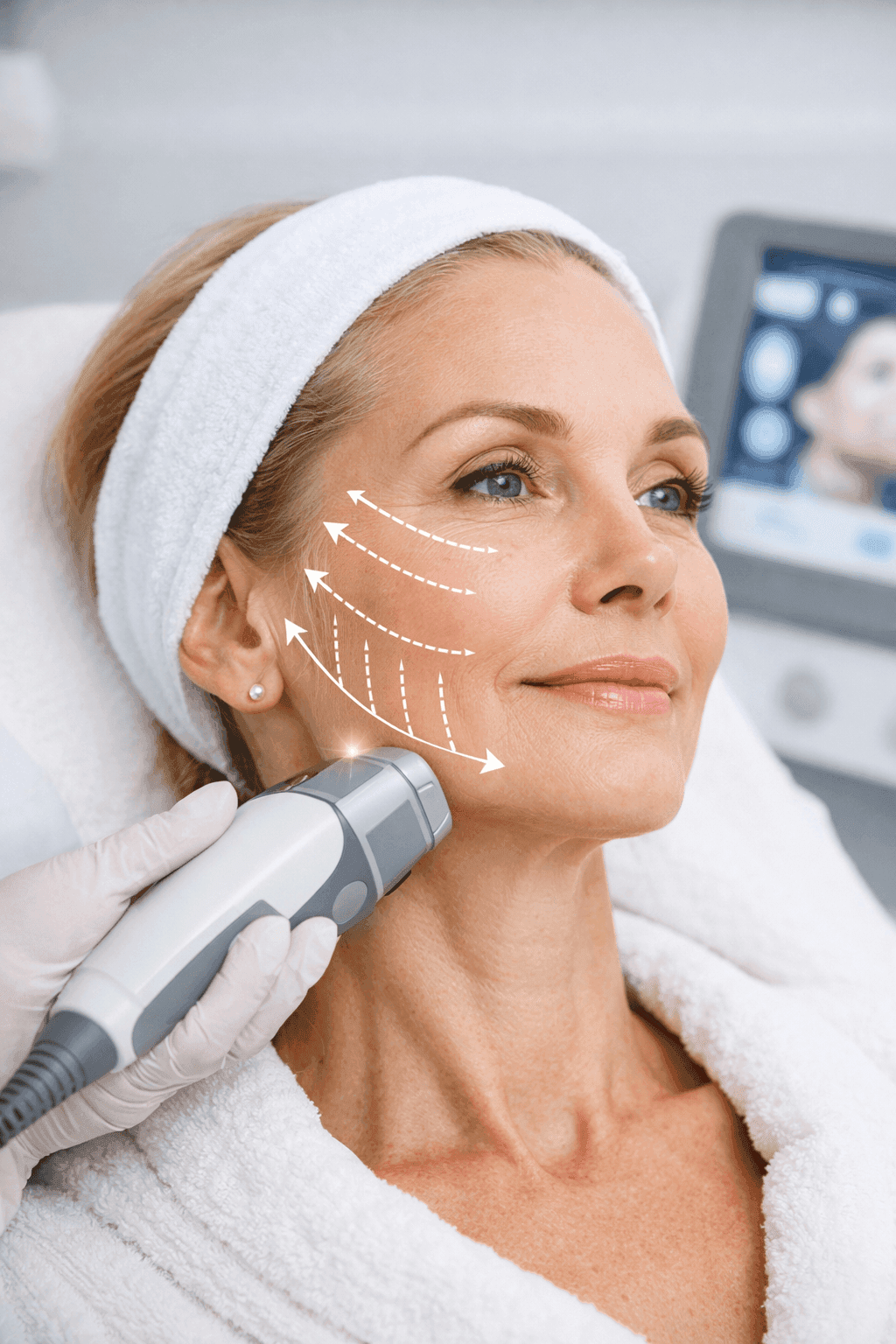
Ultherapy addresses a deeper layer of the skin than laser or microneedling. It uses focused ultrasound to stimulate collagen production in the structural layers responsible for firmness and lift. These are the same layers targeted during surgical facelifts, but without incisions or downtime.


Ultherapy Canberra is often searched by people who want gradual, natural-looking tightening rather than dramatic change. Results develop over several months as collagen rebuilds, which makes the outcome appear more organic and subtle.


Because Ultherapy does not affect pigment or surface texture, it is often considered alongside other treatments rather than as a standalone solution. Supporting the structure of the skin works best when tone and texture are also addressed.


Why Skin Concerns Are Best Treated Together


Acne, pigmentation, texture changes and skin laxity are not separate stories. Acne creates inflammation. Inflammation triggers pigmentation. Both processes weaken collagen over time. Treating only one layer of this cycle can lead to uneven results.


Pigmentation removal laser improves tone. Microneedling strengthens texture and repair capacity. Ultherapy supports deeper lifting and tightening. Acne treatment reduces the inflammatory triggers that undermine all of these improvements. When used thoughtfully across time, these treatments complement each other rather than competing.


This layered approach is why many people move through different treatments at different stages, rather than relying on a single solution. Skin changes gradually, and effective care adapts with it.


Long-Term Results and Realistic Expectations


Non-surgical treatments work best when expectations are realistic. Pigmentation fades gradually. Texture improves over months. Tightening develops as collagen rebuilds. Consistent sun protection and barrier care are essential, particularly in Canberra’s high-UV environment.


Rather than aiming for dramatic overnight change, most people achieve better outcomes by focusing on steady improvement and maintenance. Skin that is calm, even-toned and structurally supported tends to age more predictably and requires fewer corrective treatments later.


Final Thoughts


For anyone exploring acne treatment, pigmentation removal laser in Canberra, microneedling in Canberra, or Ultherapy Canberra, the most effective strategy is one that respects how skin actually behaves. Skin responds to environment, inflammation and time, not isolated procedures.


By understanding how these treatments fit together, it becomes easier to choose options that support clearer skin, more even tone and gradual face lifting and tightening as skin evolves. When care is aligned with skin age rather than trends, results tend to look more natural and last longer.


Comments


Are you on the list?

Join to get exclusive offers & discounts

Thanks for submitting!

Shop

All Products

Promotion

Treatment

Bookings

Our Store

Franklin Branch:

96/235 Flemington Rd, Franklin ACT 2913

Trading Hours

Services are available by appointment only.

Kindly arrange your visit in advance.

City Branch:

Shop 7/240 City Walk, Canberra 2601

Trading Hours:

Saturday         10am–5:30pm
Sunday            10am–5:30pm
Monday           10am–5:30pm
Tuesday           10am–5:30pm
Wednesday    10am–5:30pm
Thursday         10am–5:30pm
Friday               10am–7:30pm

T: 0452399096

E: info@sycamoremedispa.com.au

Customer Service

T: +61 452 399 096

E: info@sycamoremedispa.com.au

  • wechat (1)_edited
  • Instagram
  • Facebook

© 2022 SYCAMORE MEDI SPA

bottom of page