
Canberra Skin Treatments: Laser, Microneedling & Ultherapy Guide
- Qi Xin
- 3 days ago
- 8 min read
Choosing a skin treatment can feel like walking into a room where everyone is talking at the same time. One person says pigmentation removal laser in Canberra is the key to an even complexion. Another insists microneedling in Canberra is the best way to rebuild skin quality. Someone else points you toward Ultherapy Canberra for face lifting and tightening, and acne treatment gets framed as either a quick clear or a complicated long-term plan—depending on who you ask.
The problem is not that these treatments don’t work. The problem is that they’re often presented like they compete with one another. In real clinical planning, they are tools that solve different parts of the same puzzle. Most people who feel “stuck” are not missing a miracle procedure—they’re missing a coherent sequence.
Skin concerns overlap. Pigmentation often sits on top of deeper texture problems. Acne can leave marks and subtle scarring that change how skin reflects light. Early laxity can look worse when the skin is uneven, dehydrated, or inflamed. If you treat only one piece, you can improve something and still feel like your face hasn’t truly changed.
At Sycamore, the approach is to plan for skin health in layers: calm what needs calming, correct what needs correcting, and rebuild what needs rebuilding. This guide explains how pigmentation removal laser in Canberra, microneedling in Canberra, Ultherapy Canberra, face lifting and tightening strategies, and acne treatment can be selected and combined without overwhelming the skin—especially in Canberra conditions.
Step 1: Sort Your Concern Into Tone, Texture, or Tightness
Before choosing any device name or trending treatment, make the decision easier by classifying what you want to change. Most clinical planning starts with this simple sorting step.
Tone refers to colour: uneven tone, sun spots, pigmentation, and lingering marks after acne.
Texture refers to surface quality: enlarged pores, roughness, fine lines, dullness, and acne scarring.
Tightness refers to structure: firmness, definition, early laxity, and lifting goals.
Many people have all three, but usually one category is the main driver of dissatisfaction. Identifying that dominant category helps you choose the right starting point. A common mistake is trying to hit tone, texture, and tightness simultaneously—especially if acne is active—because the skin can become reactive and progress becomes inconsistent.
A practical planning sequence often looks like this:
Stabilise inflammation first (especially with active acne or sensitivity)
Address tone (pigmentation and uneven colour)
Improve texture and collagen support (skin quality)
Introduce deeper tightening when appropriate (for lifting/definition goals)
That sequence is not rigid, but it’s a reliable baseline when you want results that look natural rather than “over-treated.”
Canberra Reality Check: Why Skin Reactivity and UV Matter
Canberra adds two major variables to treatment planning: UV exposure and dryness. Higher UV exposure can accelerate pigmentation and make post-treatment protection more important. Dry air can weaken the skin barrier, increasing the chance of irritation when treatments are stacked too aggressively.
This matters because many clients do everything “right” in terms of choosing good treatments—but they progress slowly because the skin is stressed. A Canberra-friendly plan usually emphasises spacing, recovery, and barrier support so the skin can respond consistently. When skin is calmer, treatments tend to work better and side effects are reduced.
This is one reason Sycamore focuses on sequencing rather than quick stacking.
Pigmentation: Why It’s Often Harder Than People Expect
Pigmentation is frustrating because it can be stubborn, uneven, and slow to fade. It’s also not one single condition. Pigmentation can be superficial, deep, or mixed. It can be driven by cumulative sun exposure, inflammation (often from acne), or hormonal shifts. Two people can look similar on the surface and still need different approaches because pigment sits differently in the skin.
Pigmentation also behaves like a “memory.” Once the skin has learned to produce pigment in response to triggers, it can do so again if the triggers remain—especially UV exposure and inflammation. That’s why pigmentation is often a management concern, not a one-off removal concern. Correction helps, but prevention and maintenance are what keep the tone stable.
Pigmentation Removal Laser in Canberra: When It’s the Right Tool
Pigmentation removal laser in Canberra is usually considered when:
Dark spots or uneven tone persist despite consistent skincare
Post-acne marks linger for months and affect confidence
Sun damage has accumulated and looks patchy or dull
Tone is the dominant concern compared with texture or tightness
Laser targets excess melanin so it can break down and clear gradually. The goal is controlled progress rather than aggressive disruption. When a plan is well-paced, tone improves in a way that looks natural and blends rather than appearing “spot-treated.”
Two practical points matter:
Pigmentation removal laser in Canberra often works best when the skin is calm. If acne is active or sensitivity is high, stabilising acne treatment first can improve pigment outcomes.
Spacing matters. Too frequent can stress the barrier; too infrequent can reduce momentum. A personalised pace usually creates the most consistent results.
Texture: The Hidden Driver of “Ageing” and Dullness
People often assume the biggest ageing signal is sagging. But texture changes can make skin look older even when firmness is still fairly good. Enlarged pores, roughness, fine lines, and subtle scarring change how light reflects. Skin can appear tired, uneven, and less healthy even if pigmentation improves.
Texture work often creates an immediate “overall improvement” feeling because it makes skin look smoother and more refined, even if individual spots remain. That’s why texture is often treated as the bridge between tone correction and tightening goals.
Microneedling in Canberra: A Skin Quality Strategy
Microneedling in Canberra is widely used because it improves skin quality across multiple concerns. By creating controlled microchannels, microneedling triggers the skin’s repair response and supports collagen and elastin production. The result is gradual strengthening, improved texture, and better resilience.
Microneedling in Canberra is commonly chosen for:
Enlarged pores and uneven texture
Fine lines that are more surface-level
Mild to moderate acne scarring
Dullness and reduced bounce
Skin that needs strengthening after tone correction
Microneedling also fits well in longer plans because it complements both pigment and tightening goals. After pigmentation improves, microneedling helps refine the surface so the complexion looks more even overall. For face lifting and tightening plans, it can support surface quality while deeper methods address structure.
Most people see the best outcome from a paced series rather than one session. The skin needs time to rebuild, and consistency tends to outperform intensity.
Acne Treatment: Why “Clear” Isn’t the Whole Goal
Acne treatment is often oversimplified as “stop breakouts.” But acne involves congestion, oil balance, inflammation, barrier health, lifestyle triggers, and sometimes hormones. Treating acne aggressively can create short-term clearance but long-term sensitivity.
A modern acne treatment approach generally focuses on:
Reducing inflammation
Managing congestion and oil regulation
Supporting consistent turnover
Minimising scarring risk
Preventing post-acne pigmentation
Adult acne is increasingly common, and many adults also want acne treatment that doesn’t leave skin dry, reactive, or visibly irritated. This matters in Canberra, where dryness can make barrier damage more noticeable and recovery slower.
At Sycamore, acne treatment planning is typically built around stability—because stable skin is the foundation for successful pigmentation work, texture improvement, and tightening goals.
Acne and Pigmentation: Treat One Without the Other and You Stay Frustrated
Acne and pigmentation are linked. Inflammation often triggers pigment production, and post-acne marks can linger long after breakouts settle. If you treat pigment without stabilising acne, new marks can keep forming. If you treat acne but ignore pigment, you can feel like you haven’t improved because the marks remain.
A stable sequencing approach is often:
Stabilise acne treatment first (reduce new inflammation)
Address marks and uneven tone (pigmentation removal laser in Canberra may help)
Improve texture with microneedling in Canberra if pores/scarring remain
This tends to create a clearer sense of progress because each stage reduces a specific barrier to the next stage.
Face Lifting and Tightening: Clarify What You Mean Before Choosing a Tool
Face lifting and tightening concerns can mean different things. Some people want sharper jawline definition. Others want the lower face to feel less heavy. Some notice early laxity in the neck. Tightening plans work best when the goal is specific.
Non-invasive face lifting and tightening strategies generally aim to stimulate collagen and improve structural support over time. This is a different mindset from “instant lift.” The most natural-looking outcomes tend to come from progressive improvements rather than dramatic changes.
Many clients only consider tightening once tone and texture feel improved, because improved skin quality can reveal what firmness change is actually needed.
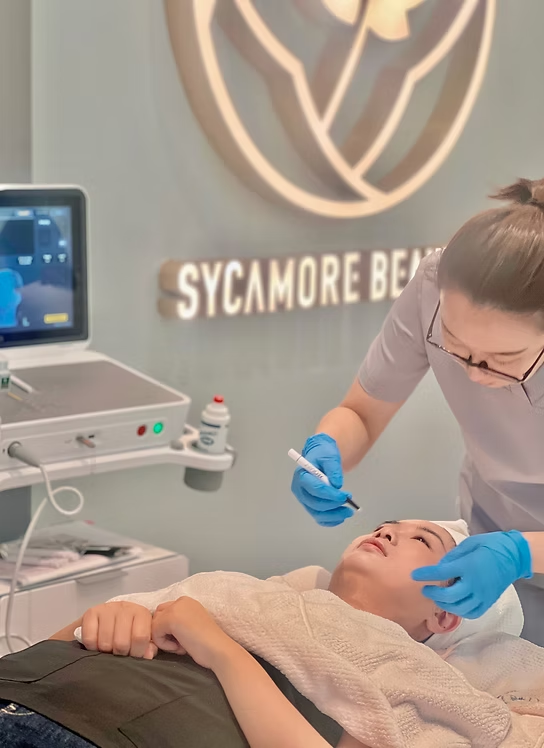
Ultherapy Canberra: Deep Collagen Support for Natural Tightening
Ultherapy Canberra uses focused ultrasound energy to stimulate collagen at deeper levels of the skin. This makes it a strong option when the priority is structural support and definition.
Ultherapy Canberra is commonly considered when:
Laxity becomes noticeable around the jawline or neck
Definition has softened gradually
The goal is natural-looking firming without surgery
You prefer progressive change rather than instant alteration
Results develop over time as collagen regenerates. That gradual result is a benefit for many people, because it blends into your natural look and doesn’t create sudden shifts.
Ultherapy is often most effective when the skin is stable and the barrier is healthy. If acne is active or the skin is reactive, many plans address those concerns first and introduce Ultherapy later as part of a longer tightening strategy.
How to Combine Treatments Without Overdoing It
The simplest way to understand combination planning is to match tools to layers:
Pigmentation removal laser in Canberra → tone correction
Microneedling in Canberra → texture and collagen support
Ultherapy Canberra → deep structural tightening
Acne treatment → inflammation control and prevention
Combination plans work because each tool contributes something different. The risk comes from stacking too much too quickly. Pacing is what keeps the plan both effective and safe.
Two common pathways clinics use are:
Acne treatment → pigmentation removal laser in Canberra for marks → microneedling in Canberra for texture/scars
Tone and texture improvements first → Ultherapy Canberra later for face lifting and tightening once the skin is stable
Notice that Ultherapy often appears later in the sequence because deep tightening performs best when skin quality is already supported.
Two Short Ordered Checklists
If pigmentation is your main concern: stabilise sensitivity and barrier habits, then consider pigmentation removal laser in Canberra, then reassess texture and firmness
If acne is your main concern: stabilise acne treatment first, then address post-acne marks, then consider microneedling in Canberra for texture or early scarring
What Progress Typically Looks Like (Realistic Expectations)
Tone improvement from pigmentation removal laser in Canberra is usually gradual as pigment clears and the skin renews. Texture improvement from microneedling in Canberra tends to build over a series as collagen strengthens. Tightening from Ultherapy Canberra develops as collagen regenerates at deeper layers.
The first improvements many people notice are subtle: skin looks calmer, tone looks more even, and texture feels smoother. Over time, these changes compound, and the overall face looks healthier rather than “done.”
Why Sycamore’s Planning Approach Matters
Sycamore’s value is not just offering advanced treatments, but integrating them into a sequence that makes sense for the client’s skin. This is especially important in Canberra, where UV exposure and dryness can influence pigment and recovery.
Clients who want natural-looking results often benefit from:
Personalised prioritisation (tone vs texture vs tightness)
Balanced acne treatment for stability
Strategic pigment correction
Texture rebuilding through microneedling in Canberra
Deep tightening with Ultherapy Canberra when the timing is right
A coherent plan reduces wasted effort and makes results more predictable.
Final Thoughts: Choose a Sequence, Not a Single Treatment
Pigmentation removal laser in Canberra, microneedling in Canberra, Ultherapy Canberra, face lifting and tightening strategies, and acne treatment are tools—not competing promises. Outcomes depend on choosing the right tool at the right time, pacing it well, and maintaining skin stability.
If you feel overwhelmed, simplify the decision: identify your dominant concern, stabilise inflammation, correct tone, rebuild texture, and then support structure when needed. This long-term, personalised approach is how Sycamore helps Canberra clients achieve clearer tone, stronger texture, and better firmness—while keeping results natural and sustainable.


Comments