Ultherapy vs HIFU: Which Face Lifting Treatment Is Right for You?
- Qi Xin
- Jan 7
- 6 min read
Non-surgical face lifting has become one of the most searched aesthetic topics in recent years — and for good reason. As technology advances, it is now possible to improve skin firmness and facial definition without surgery, extended downtime, or dramatic alteration.
Among the most commonly discussed options are Ultherapy and HIFU. While these terms are often used interchangeably, they are not the same — and understanding the differences is essential when deciding which face lifting or tightening treatment is right for your skin.
This article breaks down Ultherapy vs HIFU in a clear, evidence-based way, explaining how each technology works, who they are best suited for, and how they fit into a long-term skin strategy.
What Face Lifting Means in a Non-Surgical Context
In non-surgical aesthetics, face lifting does not refer to physically pulling or repositioning the skin, as is the case with surgical facelifts. Instead, it describes a gradual process of improving skin firmness, contour definition, and structural support by working with the skin’s underlying biology. Modern non-surgical face lifting focuses on restoring strength and resilience within the skin rather than forcing immediate visual change.
At the core of this approach is collagen, the protein responsible for maintaining skin integrity and elasticity. From the mid-20s onward, collagen production declines steadily, while existing collagen fibres become weaker and less organised. This loss of structural support manifests as skin laxity, softening of facial contours, and reduced definition along areas such as the jawline and lower face.
Non-surgical face lifting and tightening treatments aim to counteract this process by delivering controlled energy to specific layers of the skin. This energy stimulates fibroblasts, the cells responsible for collagen synthesis, triggering a natural repair and regeneration response. Over time, newly formed collagen fibres help reinforce the skin’s framework, leading to firmer, more supported skin that still moves naturally.
Crucially, this method prioritises long-term skin health. By enhancing the skin’s own regenerative capacity, non-surgical face lifting improves firmness in a way that aligns with natural ageing rather than masking or abruptly altering it.
What Ultherapy Is and How It Works
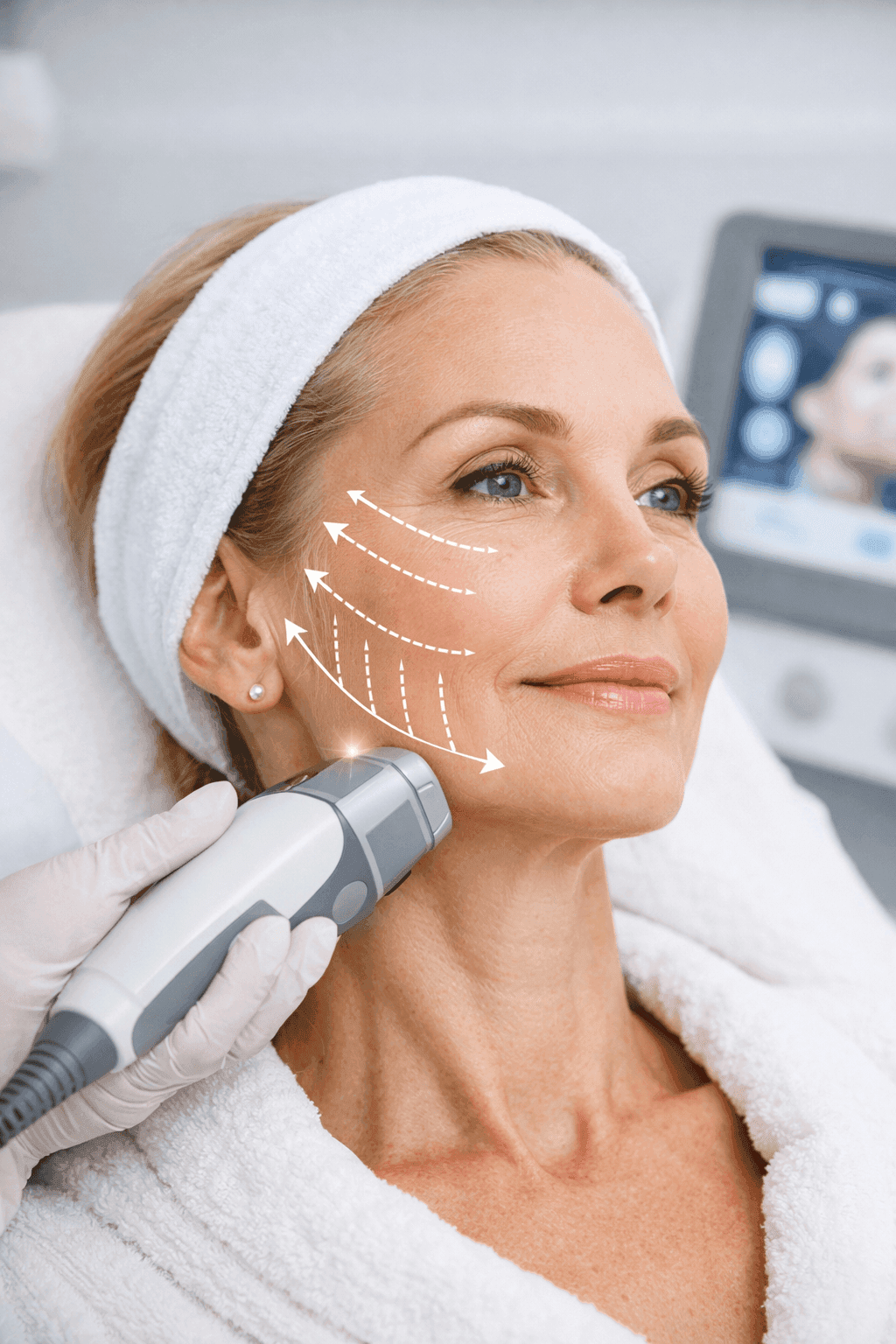
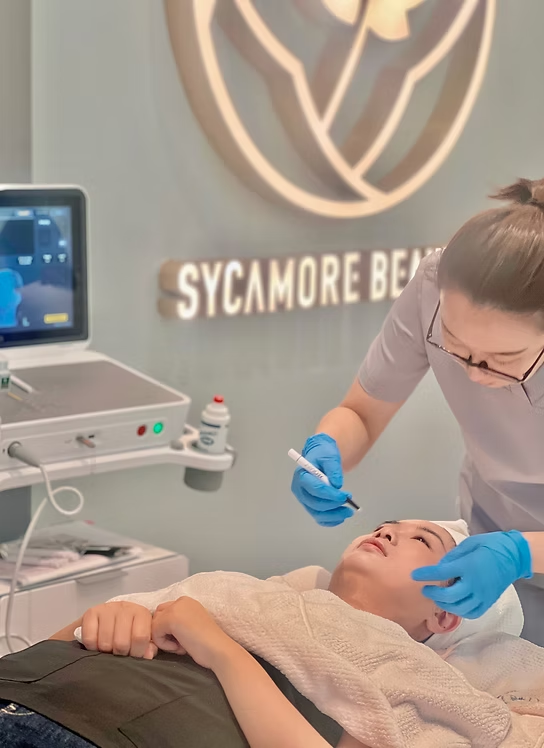
Ultherapy is a specific, branded ultrasound technology developed for non-invasive skin lifting and tightening. One of its most distinctive features is the use of real-time ultrasound imaging, which allows the practitioner to visualise the tissue layers being treated. This visualisation enables precise energy delivery to targeted depths beneath the skin.
Ultherapy works by creating controlled thermal points at specific structural layers, triggering collagen regeneration without damaging the surface. Because of this precision, Ultherapy is often chosen for areas where structural support is critical, such as the jawline, lower face, and neck. The goal is not to tighten skin superficially, but to encourage new collagen formation where it contributes most to lifting and definition.
This is why searches for Ultherapy Canberra are commonly associated with people seeking subtle, natural-looking improvement rather than dramatic or immediate change. Results develop progressively, with continued improvement typically seen over several months as collagen rebuilds.

What HIFU Is and How It Differs
HIFU, or High-Intensity Focused Ultrasound, refers to a broader category of ultrasound-based skin tightening technologies rather than a single branded system. Like Ultherapy, HIFU works by delivering focused ultrasound energy beneath the skin to stimulate collagen production. However, most HIFU systems rely on preset treatment depths rather than real-time imaging, which can influence the precision of the treatment.
This difference affects how the treatment is used. HIFU is often applied for general skin tightening and maintenance, particularly in cases of early to moderate laxity. It can be effective for improving firmness across broader areas of the face and is commonly incorporated into long-term skin maintenance plans. Additionally, many patients appreciate that HIFU treatments require minimal downtime, allowing them to resume daily activities shortly after the procedure.
Because HIFU devices vary in intensity and configuration, the experience and outcomes can differ depending on the system used and how it is applied. In general, HIFU is valued for its ability to support gradual tightening and contour refinement rather than targeted structural lifting. Patients often report a noticeable improvement in skin texture and elasticity over time, making HIFU a popular choice for those seeking non-invasive aesthetic enhancements.
Ultherapy vs HIFU: Key Differences Explained
The primary distinction between Ultherapy and HIFU lies in precision and treatment intent. Ultherapy’s real-time imaging allows for highly targeted energy delivery, making it well suited for areas requiring structural support. HIFU, by contrast, is often used for broader tightening and preventive maintenance.
Another difference is how each treatment fits into a long-term plan. Ultherapy is frequently selected when more noticeable lifting is desired, particularly in the lower face or neck. HIFU is often used earlier or more regularly to maintain firmness and slow the progression of laxity.
Educational resources such as Verywell Health’s overview of ultrasound-based skin tightening explain that ultrasound technologies work by heating targeted tissue layers to initiate collagen remodelling, with results appearing gradually as new collagen forms. This shared mechanism underscores why both treatments require patience and realistic expectations.
Why Results Are Gradual—and Why That Matters
One of the most common misconceptions about face lifting treatments is the expectation of instant, visible tightening immediately after a single session. In reality, treatments such as Ultherapy and HIFU are designed to work with the skin’s natural regenerative processes rather than override them. Because these technologies rely on stimulating collagen production, results follow biological timelines rather than cosmetic immediacy.
Collagen synthesis and remodelling occur gradually as fibroblasts respond to controlled thermal stimulation. Early changes may become noticeable within a few weeks, but optimal improvement typically continues to develop over three to six months. This slow progression allows new collagen fibres to integrate naturally into existing skin structures, improving firmness without compromising flexibility or facial expression.
From a long-term perspective, gradual results are a critical advantage. They reduce the risk of an overcorrected or artificial appearance and support more durable outcomes. By respecting the skin’s healing rhythm, non-surgical face lifting treatments prioritise structural integrity and longevity rather than short-lived visual impact.
Microneedling and Face Lifting: Supporting Collagen at Multiple Levels
While ultrasound-based treatments target deeper structural layers, surface-level collagen support is equally important. This is where microneedling in Canberra often complements face lifting treatments.
Microneedling stimulates collagen and elastin production within the dermis by creating controlled micro-injuries that activate the skin’s repair response. This improves texture, resilience, and overall skin quality.
From a biological standpoint, collagen stimulation through controlled injury is well documented. Research published on PubMed Central (NIH) demonstrates that dermal stimulation activates fibroblasts, leading to increased collagen and elastin synthesis over time. When combined with deeper ultrasound treatments, microneedling helps reinforce firmness from the surface downward, supporting more balanced results.
Pigmentation, Acne, and Their Impact on Face Lifting Results
Face lifting does not occur in isolation from other skin concerns. Uneven pigmentation and chronic acne-related inflammation can significantly affect how tightening results appear and how long they last.
Uneven tone creates visual shadows that reduce light reflection, making skin appear less firm even when collagen levels improve. This is why many comprehensive plans include Laser Pigmentation Removal to improve clarity and brightness alongside tightening treatments.
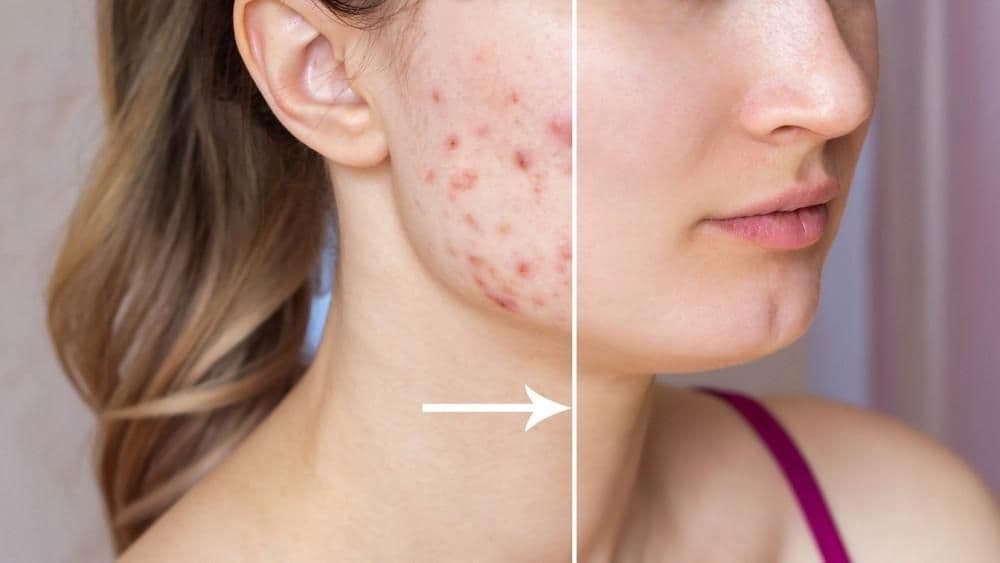
Similarly, untreated acne creates repeated inflammatory cycles that accelerate collagen breakdown. Integrating acne treatment helps reduce inflammation, preserve collagen integrity, and support longer-lasting tightening results. Addressing these factors creates a healthier environment for face lifting treatments to work effectively.
Choosing Between Ultherapy and HIFU: A Decision Framework
When deciding between Ultherapy and HIFU, the most helpful approach is not to ask which treatment is “better,” but which is more appropriate for your current skin condition and long-term goals. Both technologies rely on ultrasound energy, yet differences in precision, treatment depth, and delivery method influence how results appear and how they evolve over time.
Ultherapy is often favoured when targeted structural lifting is required, particularly along the jawline, lower face, and neck. Its ability to visualise treatment depth allows energy to be delivered with a high degree of accuracy, which can be valuable when working close to critical support structures. This makes it a suitable option for individuals noticing more defined laxity rather than general skin looseness.
HIFU, on the other hand, is commonly used for broader tightening and maintenance. It can be effective for early to moderate laxity and is often incorporated into long-term skin maintenance plans. Rather than producing dramatic lift, it supports gradual firmness and contour refinement.
In practice, these treatments are not mutually exclusive. Many people benefit from using them at different stages, depending on how their skin changes over time.
Final Thoughts: Education Leads to Better Outcomes
Ultherapy and HIFU are both powerful tools in modern non-surgical face lifting — but neither is a shortcut.
Understanding how these treatments work, how they differ, and how they fit into a broader skin strategy allows for more realistic expectations and more satisfying results.
When face lifting is approached as part of an integrated plan — alongside microneedling, pigmentation management, and acne control — results tend to look natural, balanced, and sustainable.
For anyone researching Ultherapy Canberra, HIFU, or non-surgical face lifting and tightening, informed decision-making is the foundation of good results.


Comments