Microneedling vs IPL Canberra: Are You Treating Texture—or Colour?
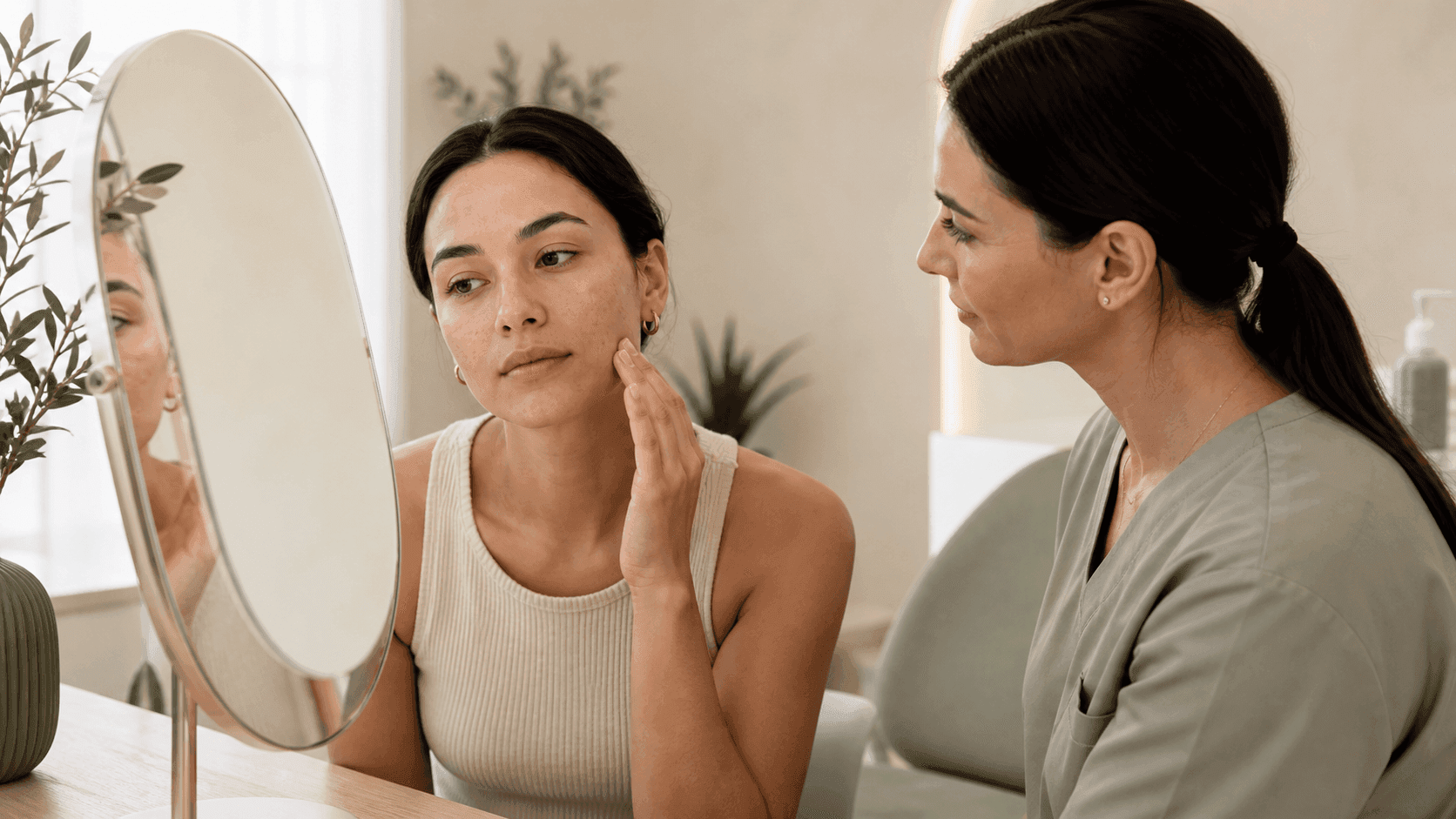
“Uneven skin” sounds like a simple problem until you try to choose a treatment for it.
One person uses the phrase to describe brown marks left behind after breakouts. Another is talking about shallow acne scars that become obvious under overhead lighting. Someone else means freckles and sun spots, while another is frustrated by redness around the cheeks and nose. They may all type “skin rejuvenation Canberra” into Google, but they are not necessarily looking for the same treatment.
That is where the Microneedling vs IPL decision becomes much easier to understand. Instead of asking which treatment is more advanced, stronger or more popular, start by asking a simpler question:
Is the thing bothering you mainly texture—or colour?
At Sycamore Medi Spa, both treatments sit within a much broader approach to skin rejuvenation. IPL is a light-based technology commonly considered for visible pigmentation, redness and signs of sun damage, while microneedling uses controlled micro-injury to stimulate the skin's repair response and is particularly relevant when texture and acne scarring are part of the concern. Sycamore has already explored these treatments individually in articles such as The Glow-Back Treatment: Why Microneedling Is Becoming Popular in Canberra and IPL vs DPL Canberra. This time, rather than repeating how each machine works, we're using the way your skin actually *looks* to work out which conversation makes more sense.
Start With the Mirror, Not the Machine
Try looking at your skin in two different situations. First, stand in soft, even daylight. Then look again when light hits your face from the side.
If the concern remains obvious regardless of lighting—perhaps a brown spot, scattered freckles, redness or uneven colour—you may be looking primarily at a tone problem. If the concern suddenly becomes much more noticeable when light comes from the side, creating tiny shadows across depressions, scars or an irregular surface, texture may be playing a larger role.
It is a simple distinction, but it can completely change the treatment conversation.
Sycamore has previously used a similar tone, texture and tightness framework in Canberra Skin Solutions: Laser, Microneedling & Ultherapy for Pigmentation, Acne and Firmness. Tone describes differences in colour; texture describes the physical surface; tightness relates more to structural firmness. Those categories can overlap, but identifying which one bothers you most prevents every skin concern from being treated as though it were the same thing.
That matters because neither Microneedling Canberra nor IPL Canberra should automatically win simply because one treatment is trending more heavily on social media.
The Post-Acne Test: Is It a Mark or a Scar?
Acne is probably the clearest example of why “uneven skin” becomes confusing.
After a breakout settles, you may be left with a flat area of colour. Depending on the skin and inflammatory response, that mark may appear red, pink, brown or darker than the surrounding skin. But acne can also leave an actual change in the skin's structure: a depression, irregular surface or atrophic scar.
These are not the same thing.
If you run a finger gently across a flat dark mark, the skin may feel essentially normal. If the concern is an atrophic scar, there is a structural change in the surface itself. That is where microneedling becomes particularly relevant. A systematic review of 33 studies reported improvement in acne-scar appearance following microneedling, although evidence comparing microneedling with combination approaches and fractional lasers remained inconsistent. A later systematic review of randomised controlled trials likewise found microneedling to be an effective and generally well-tolerated option for atrophic acne scars.
This is also why Sycamore's Microneedling Canberra: What to Know Before Booking Your First Treatment spends time discussing texture, scars and skin quality rather than presenting microneedling simply as another “glow facial”.
The useful question after acne is therefore not simply, “How do I remove my acne marks?” Ask: am I seeing leftover colour, or has the texture itself changed?
When Colour Is the Problem, IPL Enters a Different Conversation
Now imagine the opposite situation. Your skin feels relatively smooth, but the colour looks uneven. Perhaps years of Australian sun exposure have left scattered freckles or lentigines. Maybe redness is becoming more noticeable, or certain areas appear more discoloured than the surrounding skin.
That is a different target.
IPL—Intense Pulsed Light—uses broad-spectrum light rather than creating controlled microchannels in the skin. Its established dermatological applications include a range of pigmentary and vascular concerns. A systematic review published in *Dermatologic Surgery* found varying levels of evidence supporting IPL across conditions including lentiginous pigmentation, telangiectasia and rosacea. Another systematic review focused on skin rejuvenation reported improvement across concerns including hyperpigmentation, lentigines, erythema and telangiectasia, although study protocols and evidence quality varied.
This is why IPL and microneedling can both appear under the broad label of “skin rejuvenation” while doing very different jobs.
Sycamore's recent IPL vs DPL Canberra article goes deeper into light-based treatment selection and explains how Sycamore's IPL pathway uses Venus Versa™ technology. If your biggest concern is clearly colour rather than physical texture, that is a more useful next read than trying to make microneedling solve every type of unevenness.
The Complicated Case: “My Acne Left Both”
Of course, real skin rarely organises itself neatly into SEO categories.
You may have brown post-acne marks and shallow scars. You may have sun-related pigmentation across otherwise rough skin. Your cheeks might show redness while old acne scars create visible texture underneath. In those situations, the answer is not necessarily choosing one treatment and forgetting the other forever.
The more useful idea is treatment sequencing.
Sycamore's earlier article How Pigmentation Treatment Became the Turning Point for My Skin Journey in Canberra describes a treatment journey where pigmentation management was followed by microneedling as texture and collagen became a later priority.That illustrates an important principle: when several concerns exist together, the question can shift from “Which treatment wins?” to “What should we address first?”
It also prevents a common mistake—judging a treatment as unsuccessful because it did not fix something it was never primarily selected to target.
If IPL improves visible colour but depressions remain, that doesn't automatically mean IPL failed. If microneedling improves the appearance of scars but a sun spot is still visible, that doesn't automatically mean microneedling failed either. The target matters.
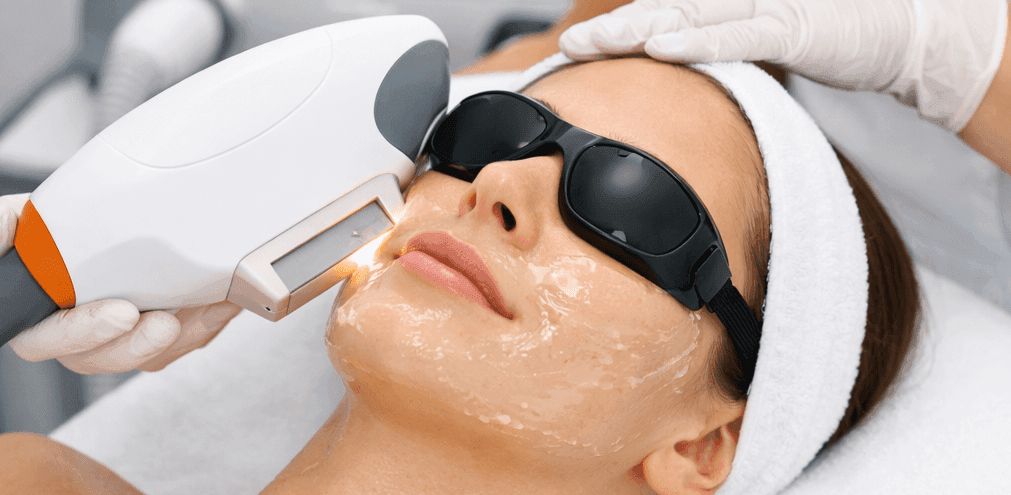
Why Canberra Sun Exposure Makes the “Colour” Side Especially Important
Living in Canberra adds another layer to this discussion. We have cold winters, but cold weather should never be confused with an absence of UV exposure. As spring develops and people spend more time outdoors again, sun protection becomes increasingly important—particularly for anyone already concerned about uneven pigmentation.
Cancer Council Australia recommends sun protection when the UV Index is 3 or above, and Australia's UV environment is one reason pigmentation management cannot be reduced to what happens inside a treatment room.
If you are considering IPL because of sun-related pigmentation, treatment is only part of the picture. Ongoing UV exposure can contribute to further pigment changes over time, which is why aftercare and everyday photoprotection matter. This is also a good reason to avoid thinking of IPL as a permanent “erase button” for everything the Australian sun has done to your complexion.
For readers whose main concern is pigmentation rather than texture, Sycamore's pigmentation treatment journey offers more context around why pigmentation can require a longer-term strategy rather than a single appointment.
Pores Are Where the Comparison Gets More Complicated
“Can IPL or microneedling shrink my pores?” is exactly the kind of question that creates unrealistic treatment expectations.
Pores are normal anatomical structures. You cannot—and should not—make them disappear. Their visibility can be influenced by factors including sebum, skin texture, age and surrounding structural support. What people usually mean when they say “shrink my pores” is that they want the surface to look smoother and pores to appear less obvious.
If visible pores are part of a broader texture concern, microneedling may enter the discussion because of its relationship with collagen remodelling and skin-surface improvement. Sycamore's Glow-Back Microneedling guide specifically discusses concerns such as uneven texture, pores and old acne marks rather than promising “poreless skin”.
IPL may improve the overall appearance of photodamaged skin, and studies of IPL skin rejuvenation have assessed outcomes including texture and pores. But if pores and irregular surface texture are the *main* reason you are booking treatment, it makes sense to say that clearly during consultation rather than simply asking for “rejuvenation”.
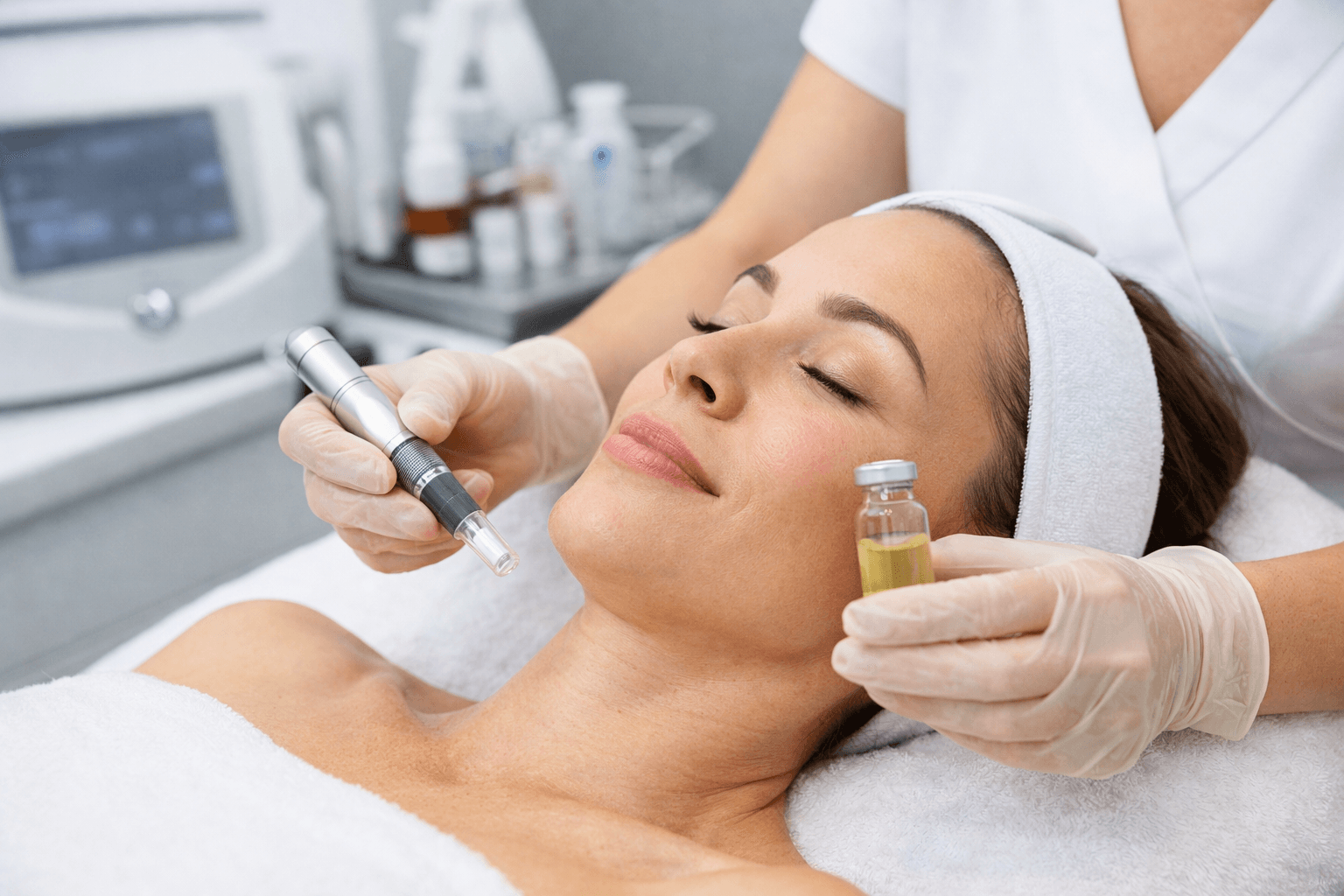
Don't Let Instagram Turn Two Different Treatments Into the Same “Glow” Procedure
Social media makes almost every aesthetic treatment look strangely similar.
The first image shows tired-looking skin. The second shows brighter skin. The caption says “glow”, “rejuvenation” or “skin transformation”. Without context, IPL, microneedling, facials and even lifting treatments can start looking as though they all do the same thing.
They don't.
Before-and-after photographs are useful for seeing possibilities, but lighting, makeup, camera exposure, treatment timing and the client's starting concern all influence what you see. A dramatic pigmentation improvement after IPL tells you very little about how IPL would affect an atrophic acne scar. A smoother-looking microneedling result doesn't prove that microneedling is the logical treatment for every brown spot.
You can use Sycamore Medi Spa's Instagram to explore the clinic visually, but pair social content with longer educational resources such as the Sycamore Blog. Social media is good at showing you what treatments *look like*. It is less reliable at telling you whether the person in the video has the same concern as you.
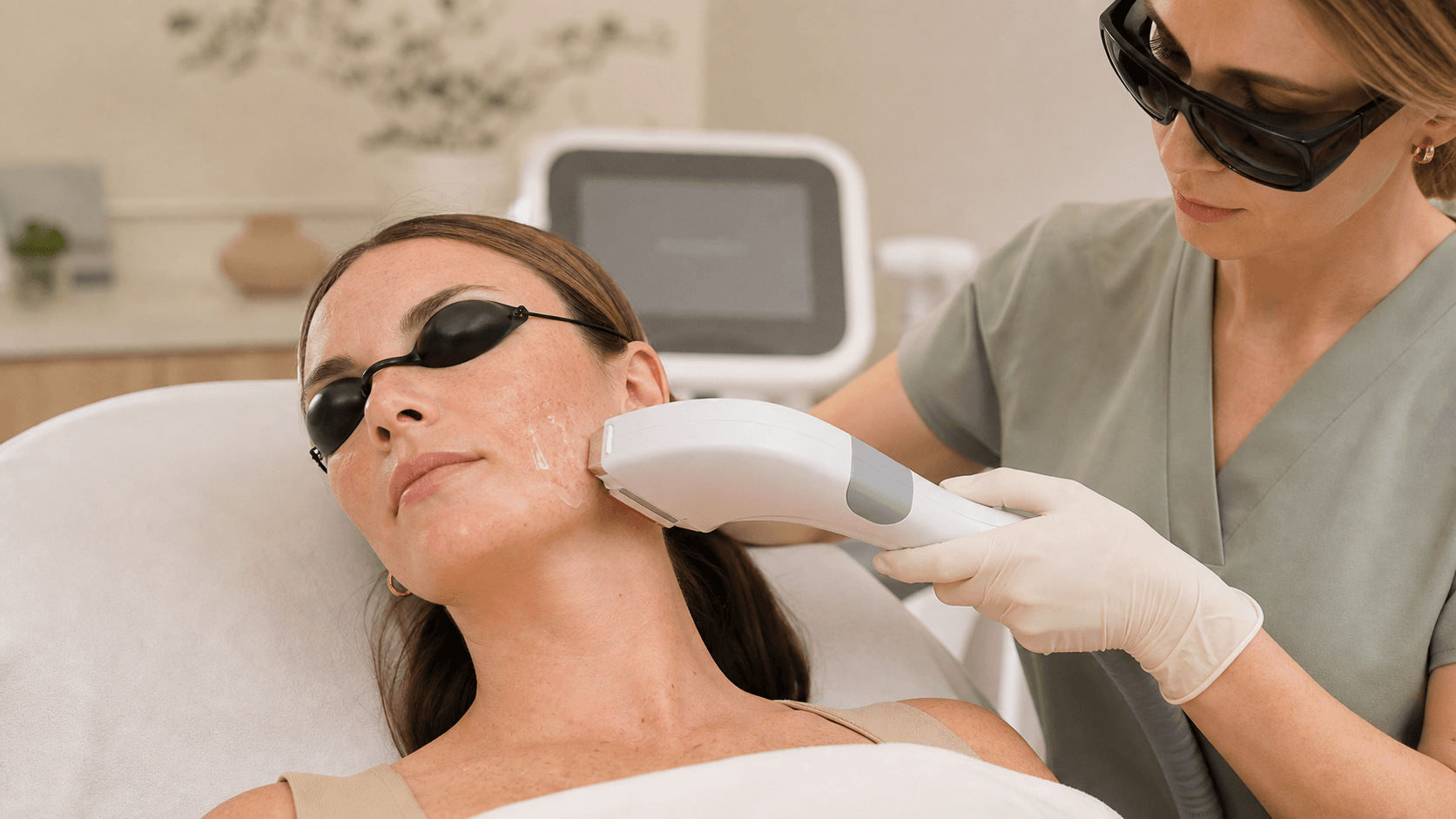
What About Downtime?
Treatment choice isn't only about the target. Your schedule matters too.
Microneedling intentionally creates controlled micro-injury, so temporary redness and sensitivity are part of the expected recovery conversation. IPL can also produce temporary redness, and treated pigment may temporarily darken before fading. Exactly what you experience depends on treatment intensity, area, individual skin characteristics and the specific protocol used.
This is why “Which has less downtime?” is difficult to answer as a universal rule. A mild treatment and a more intensive treatment within the same category can create different experiences, and individual responses vary.
Instead, think about your actual calendar. If you have a wedding, work event, photography session or holiday approaching, tell the practitioner. Choosing treatment without discussing timing is like choosing a flight without checking when you need to arrive.
For first-time microneedling clients, Sycamore's What to Know Before Booking Your First Treatment provides a useful starting point for understanding preparation and expectations.
Your Skin Type Matters More Than the Treatment Trend
There is another reason why copying someone else's IPL or microneedling result can be misleading: the same concern does not always mean the same treatment plan for every skin type. Pigmentation behaviour, sensitivity, previous inflammation, current skincare and individual healing responses can all affect how a professional approaches treatment. This becomes particularly important when treating darker skin tones or skin that develops pigmentation easily after irritation. DermNet explains that post-inflammatory hyperpigmentation can occur after inflammation or injury and tends to be more noticeable and persistent in darker skin types . That doesn't automatically rule out either treatment, but it does make appropriate assessment, settings and treatment selection especially important.
This is also where the Microneedling vs IPL question becomes more personal than a simple “texture versus colour” rule. Someone may appear to have a pigmentation concern that could potentially respond to a light-based treatment, but the type and cause of that pigmentation still need to be understood before proceeding. Likewise, choosing microneedling because it is often associated with acne scars doesn't mean every scar or every skin condition should be treated in exactly the same way. Sycamore's full skin treatment range reflects why consultation comes before choosing a device: the practitioner needs to consider not only what you want to improve, but also how your particular skin is likely to respond. In other words, Instagram can show you somebody else's result, but it cannot tell you whether their skin behaves like yours.
What If You Want Both Better Tone and Better Texture?
This is probably where the most realistic answer lives.
Many people don't have one isolated concern. Years of sun exposure, previous acne, ageing and everyday environmental stress can leave a mixture of uneven colour and texture. In that situation, the aim isn't necessarily to find one device capable of claiming everything on a marketing page.
A staged approach can make more sense.
Sycamore has previously discussed this broader philosophy in Skin Rejuvenation Canberra Explained, where skin rejuvenation is presented as a category containing different professional options rather than one universal treatment.
For example, a treatment plan might prioritise a dominant pigmentation concern before moving towards texture, or the order may be different depending on skin condition and professional assessment. The important point isn't to copy a sequence from someone else's treatment plan. It is to recognise that tone and texture can require different strategies even when they exist on the same face.
This is where consultation becomes more valuable than a comparison chart.
Microneedling vs IPL: Try This Five-Second Test
Forget the machine names for a moment.
Complete this sentence:
“The thing I most want to improve is…”
If the answer is “the dents and uneven surface left after acne”, your conversation naturally moves towards texture and treatments such as microneedling.
If the answer is “the brown spots and uneven colour across my face”, light-based or pigmentation-focused treatments may deserve more attention.
If the answer is “the redness that makes my skin look uneven”, that is another colour/vascular conversation and needs appropriate assessment.
If the answer is “all of them”, you probably don't need a winner. You need priorities.
And if the answer is “my jawline doesn't look as firm anymore”, you may be comparing the wrong treatments entirely. Sycamore's full treatment collection includes different categories because texture, colour and structural laxity are not interchangeable concerns.
Which Should You Choose in Canberra?
Neither treatment deserves to win automatically.
Microneedling may make more sense when texture, atrophic acne scarring and overall surface quality are central concerns. IPL may make more sense when visible pigmentation, redness or sun-related colour changes are driving the problem. Published evidence supports roles for microneedling in acne-scar improvement and IPL across several pigmentary and vascular applications, but neither evidence base means every person will respond identically.
More importantly, you may have both problems.
That's why the best starting point for Microneedling vs IPL Canberra isn't a machine specification, number of sessions or somebody else's before-and-after photograph. Look at what is actually making your skin appear uneven. Is it the colour, the surface, or a combination of the two?
From there, you can explore Sycamore's Microneedling articles , read the clinic's IPL vs DPL guide, browse Sycamore's broader skin treatment options, or visit Sycamore Medi Spa to learn more about the clinic.
Don't start by choosing the treatment. Start by identifying what you're actually trying to treat.